
ipylab






Control JupyterLab from Python notebooks.
The goal is to provide access to most of the JupyterLab environment from Python notebooks. For example:
- Adding widgets to the main area
DockPanel, left, right or top area - Build more advanced interfaces leveraging
SplitPanel,Toolbarand other Lumino widgets - Launch arbitrary commands (new terminal, change theme, open file and so on)
- Open a workspace with a specific layout
- Listen to JupyterLab signals (notebook opened, console closed) and trigger Python callbacks
Try it online
Try it in your browser with Binder:
Or with JupyterLite:
Examples
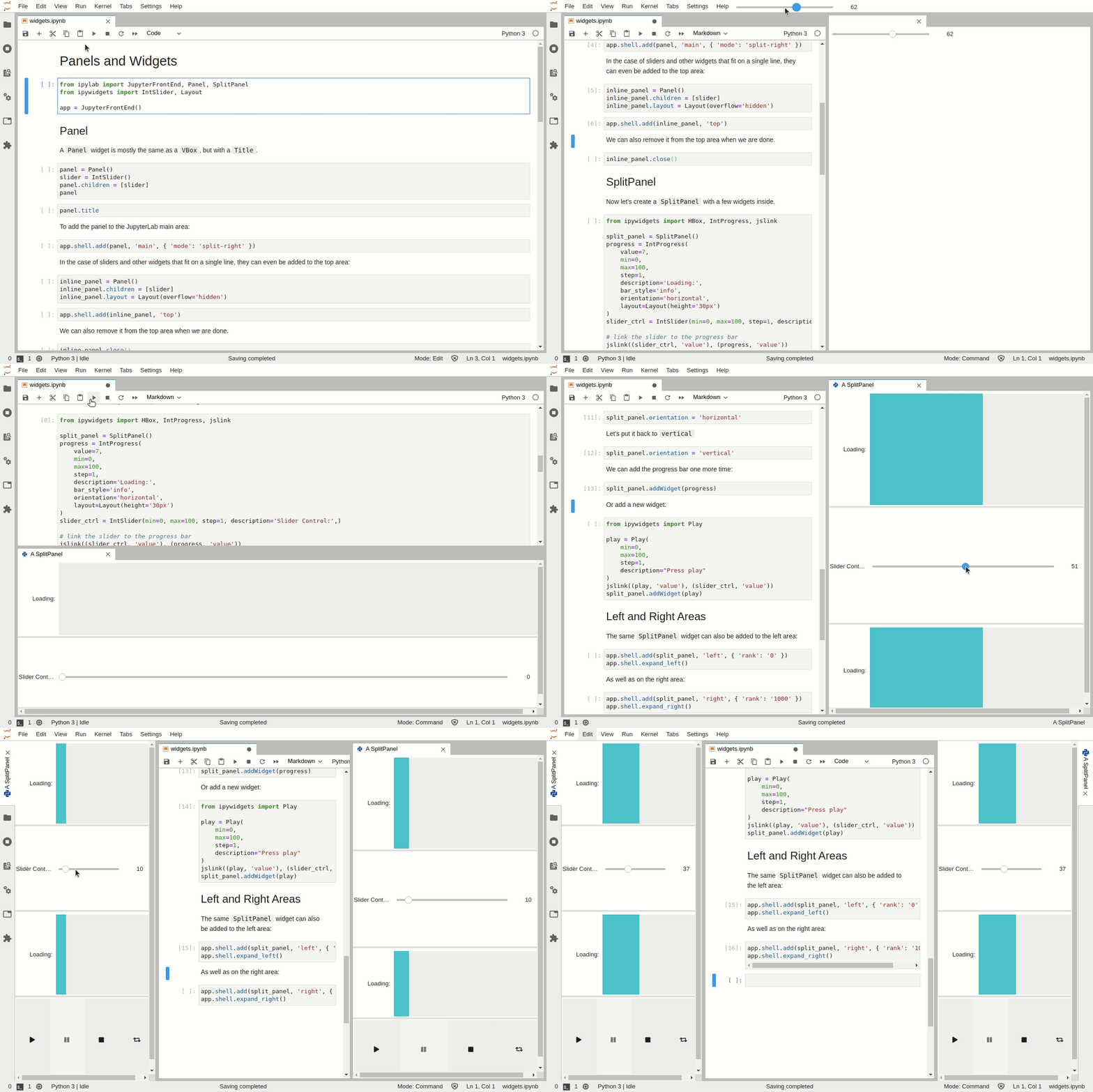
Add Jupyter Widgets to the JupyterLab interface
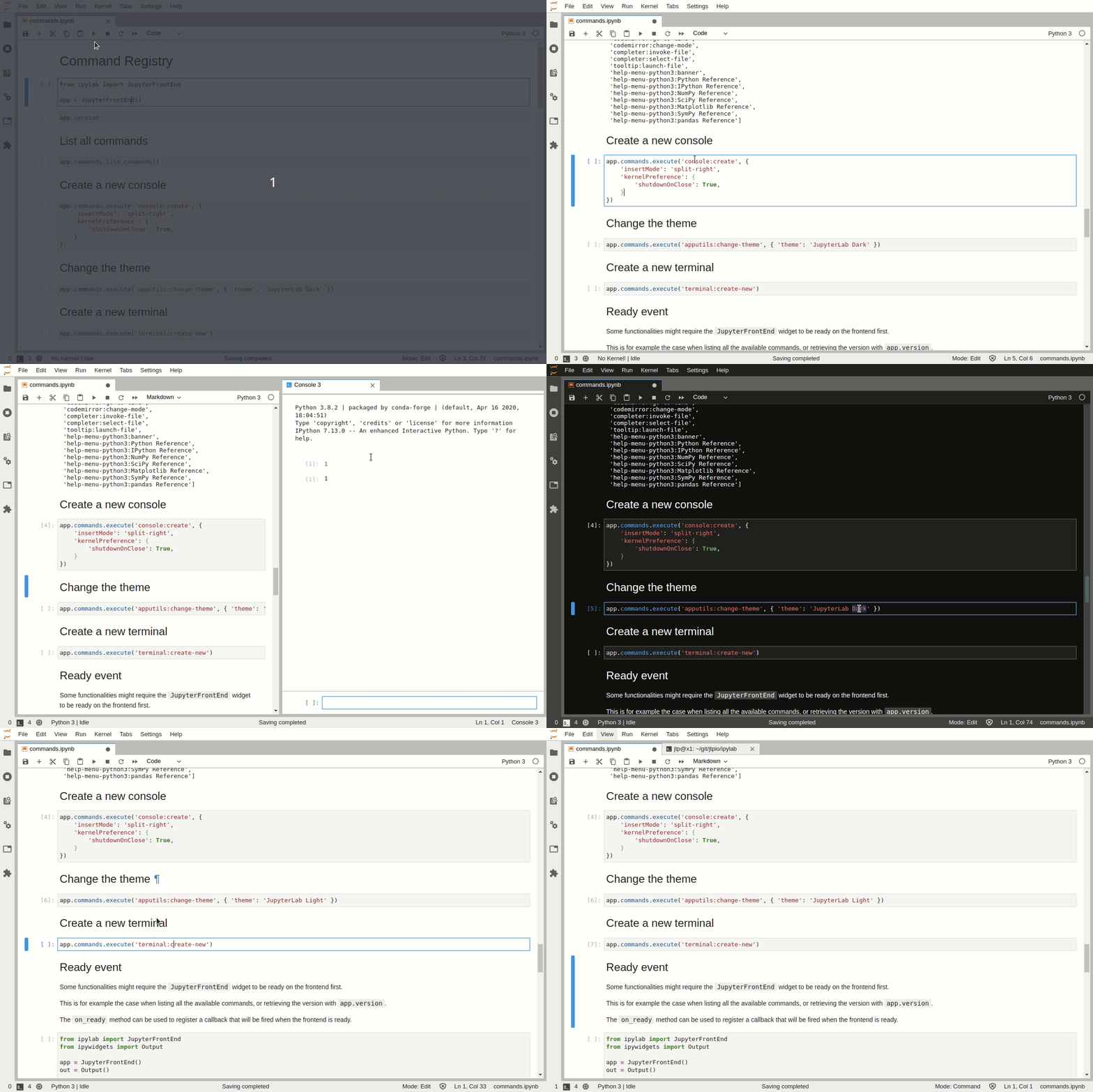
Execute Commands
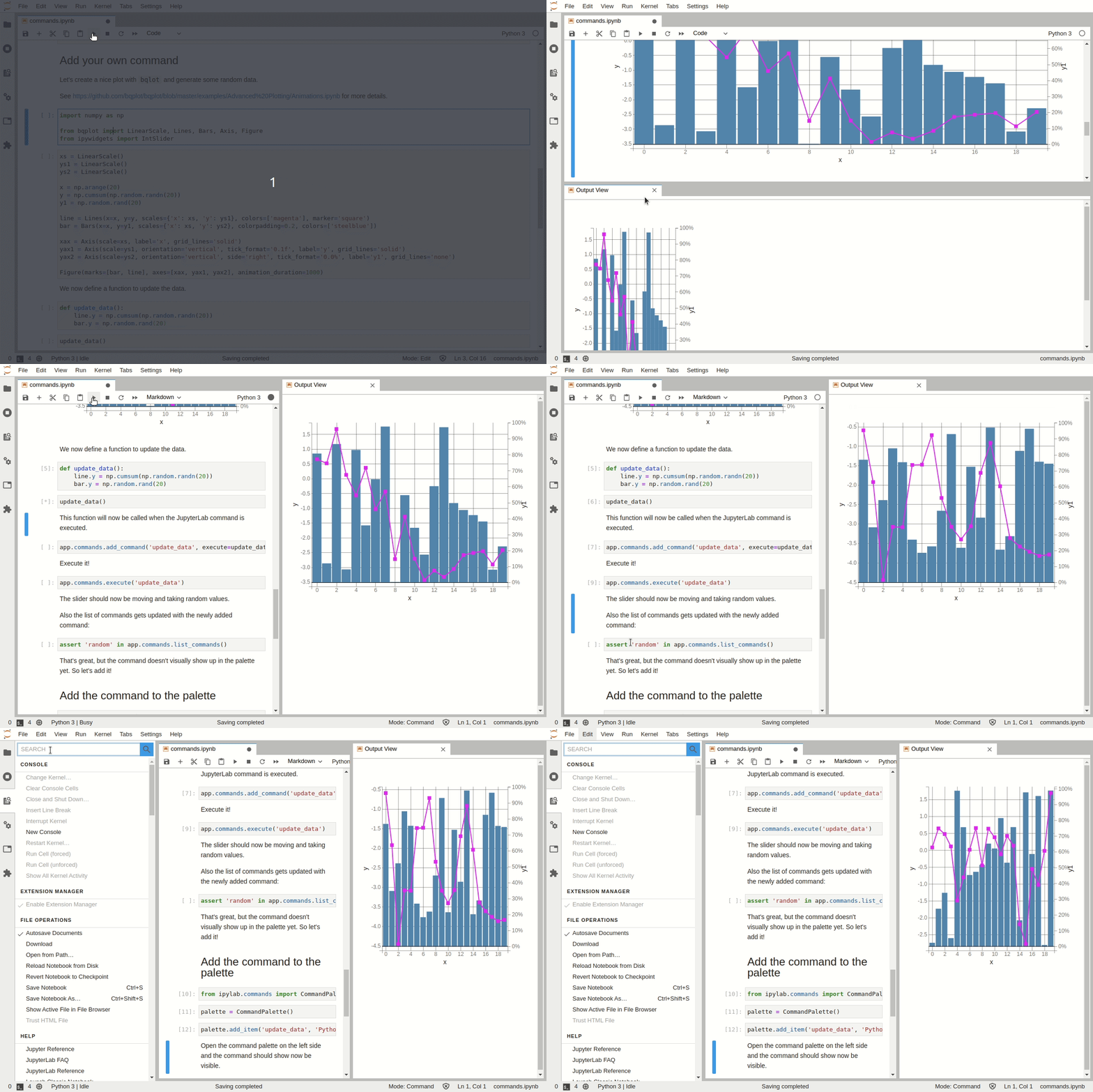
Custom Python Commands and Command Palette
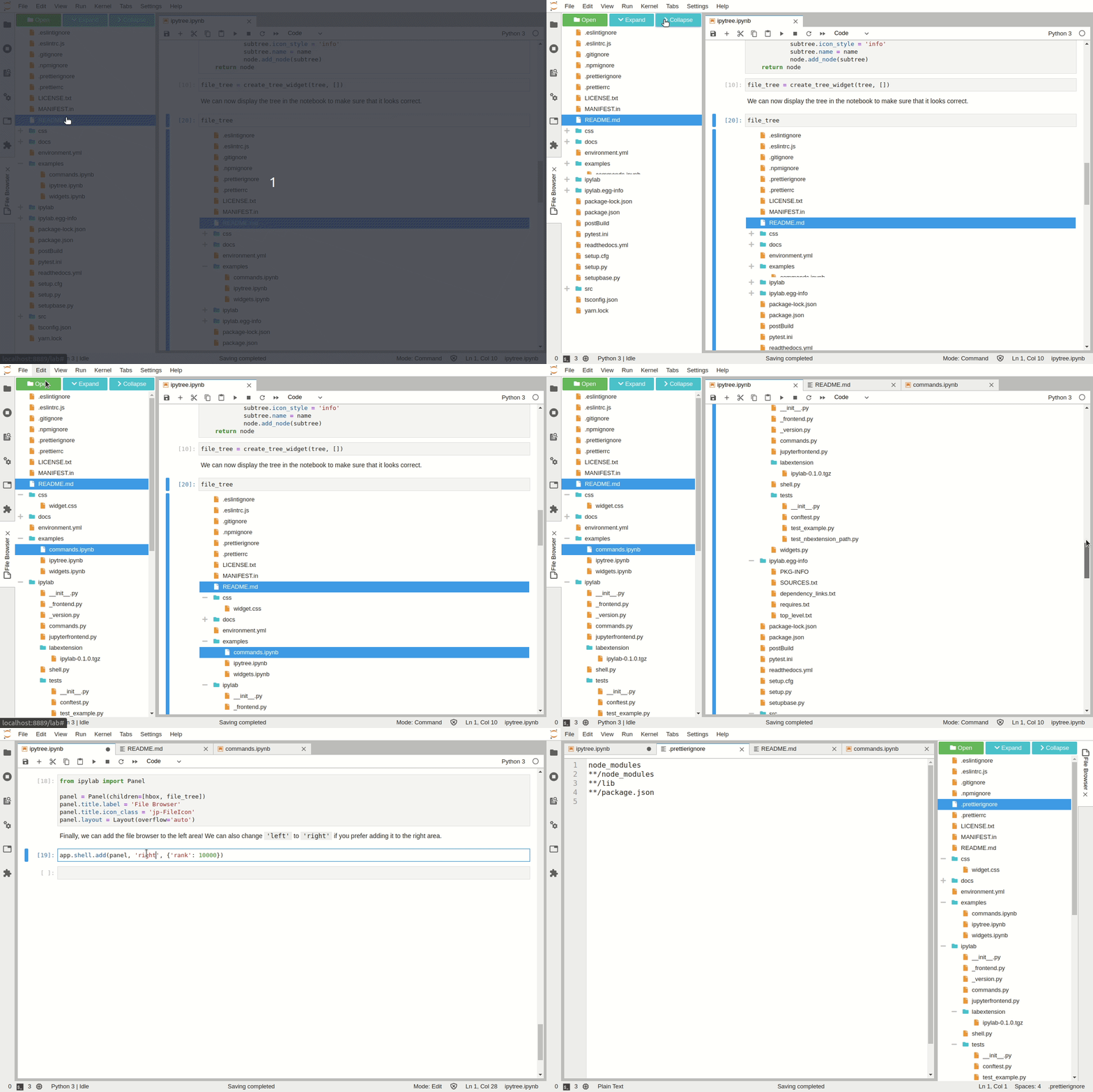
Build small applications
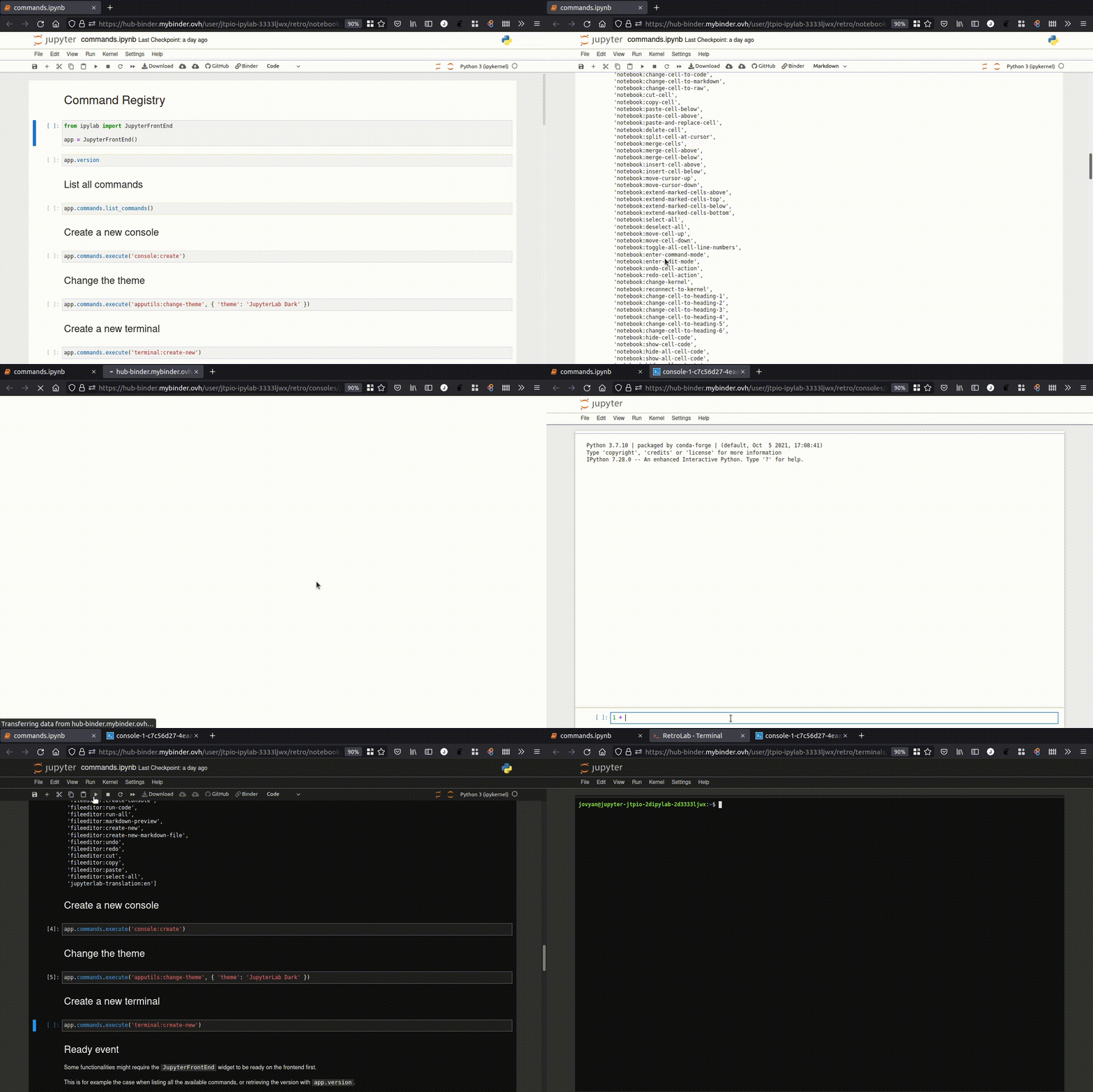
Compatibility with RetroLab
A subset of the features can be used in RetroLab:
Installation
You can install using pip:
pip install ipylab
Or with mamba / conda:
mamba install -c conda-forge ipylab
Running the examples locally
To try out the examples locally, the recommended way is to create a new environment with the dependencies:
# create a new conda environment
conda create -n ipylab-examples -c conda-forge jupyterlab ipylab ipytree bqplot ipywidgets numpy
conda activate ipylab-examples

# start JupyterLab
jupyter lab
Under the hood
ipylab can be seen as a proxy from Python to JupyterLab over Jupyter Widgets:

Development
# create a new conda environment
mamba create -n ipylab -c conda-forge jupyter-packaging nodejs python -y

# activate the environment
conda activate ipylab

# install the Python package
python -m pip install -e ".[dev]"

# link the extension files
jupyter labextension develop . --overwrite

# compile the extension
jlpm && jlpm run build
Related projects
There are a couple of projects that also enable interacting with the JupyterLab environment from Python notebooks:
- wxyz: experimental widgets (including
DockPanel) - jupyterlab-sidecar: add widgets to the JupyterLab right area
- jupyterlab_commands: add arbitrary Python commands to the jupyterlab command palette
1 maintainer

Metadata
1 maintainer
Release files for ipylab 1.1.0
For a detailed explanation of source distributions (sdists) and built distributions (wheels), please see the package formats documentation.
Source distribution (sdist)
| File | Size | Uploaded | |
|---|---|---|---|
| ipylab-1.1.0.tar.gz | 1.3 MB | Details |
Built distribution (wheel)
| File | Interpreter | ABI | Platform | Reset |
|---|---|---|---|---|
| ipylab-1.1.0-py3-none-any.whl | Python 3 | none | any | Details |
Total release size: 1.4 MB
Release files / ipylab-1.1.0.tar.gz
| Download URL | ipylab-1.1.0.tar.gz |
|---|---|
| Size | 1.3 MB |
| Tags | Source |
|
SHA-256 checksum How to use checksums |
f39858a4d9ef6ecb82f8efeeb9f6b5a01a3a64d4f3c4f2a5fe2d58ae594de212
|
|
BLAKE2b-256 checksum How to use checksums |
64cb6c8cf1e58472ddd910a4f7a99491e5b368ba64c02cf79bbf746dcc55b2cf
|
| Upload date | |
|
Uploaded using Trusted Publishing? What is trusted publishing? |
Yes |
| Uploaded via |
twine/6.1.0 CPython/3.12.11
|
Release files / ipylab-1.1.0-py3-none-any.whl
| Download URL | ipylab-1.1.0-py3-none-any.whl |
|---|---|
| Size | 101.6 kB |
| Tags | Python 3 |
|
SHA-256 checksum How to use checksums |
a24c29aeb7d6d8b26c150794ef30c8d9ac2e387c47ea49f9afd8fa19dcd07b62
|
|
BLAKE2b-256 checksum How to use checksums |
9818f08867a10c1c67064c5cf42c99884de7b9395ca2f0468ff346b1d2351021
|
| Upload date | |
|
Uploaded using Trusted Publishing? What is trusted publishing? |
Yes |
| Uploaded via |
twine/6.1.0 CPython/3.12.11
|














