
Considering d as defined in example.py, this:
from html_nested_tables import *
build_optimal_table_dict(d).generate_html()
Renders like this:
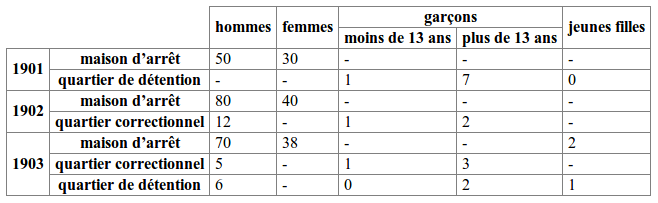
You can run python example.py to test it.
1 maintainer

Release files for html_nested_tables 0.2.0
For a detailed explanation of source distributions (sdists) and built distributions (wheels), please see the package formats documentation.
Source distribution (sdist)
| File | Size | Uploaded | |
|---|---|---|---|
| html_nested_tables-0.2.0.tar.gz | 5.5 kB | Details |
Release files / html_nested_tables-0.2.0.tar.gz
| Download URL | html_nested_tables-0.2.0.tar.gz |
|---|---|
| Size | 5.5 kB |
| Tags | Source |
|
SHA-256 checksum How to use checksums |
b0f9cfa6cd64eb69e00b6a4dfe6c03314fb26c871de11b4e8c29ae15b837ad90
|
|
BLAKE2b-256 checksum How to use checksums |
32f5df12b0bbaf551bd29eb7cf394eddddd2934e8c318260305609618a1c7dd7
|
| Upload date | |
|
Uploaded using Trusted Publishing? What is trusted publishing? |
No |














