
ARBOLpy
python implementation of the R package ARBOL, scRNAseq iterative tiered clustering
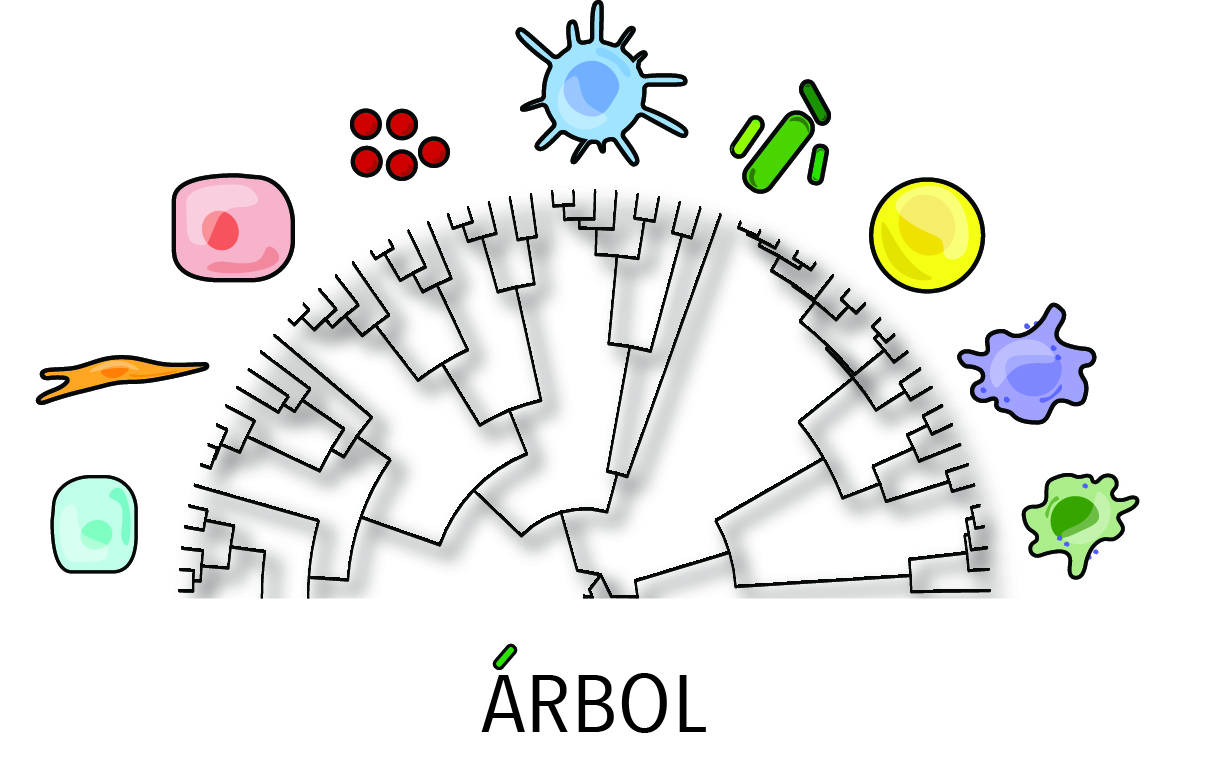
Iteratively cluster single cell datasets using a scanpy anndata object as input. Identifies and uses optimum clustering parameters at each tier of clustering. Current build includes SCtransform normalization. Outputs QC and visualization plots for each clustering event.
Install
By github:
pip install git+https://github.com/jo-m-lab/ARBOLpy.git
from PyPI
pip install arbolpy

import ARBOLpy
or clone the repository and source the functions directly from the script
git clone https://github.com/jo-m-lab/ARBOLpy.git

import "path/to/cloned/git/repo/ARBOLpy/ARBOL"
there is a docker image available with ARBOL and dependencies preinstalled https://hub.docker.com/r/kkimler/arbolpy
Recommended Usage
ARBOL was developed and used in the paper, "A treatment-naïve cellular atlas of pediatric Crohn’s disease predicts disease severity and therapeutic response" Currently, a tutorial is only available for the R version, where the FGID atlas figure is reproduced: https://jo-m-lab.github.io/ARBOL/ARBOLtutorial.html
ARBOLpy is a stripped down version of ARBOL meant to perform iterative clustering with little overhead. Currently it does not include the two stop conditions that the R version uses to heuristically join similar clusters. This results in the Python version overclustering data. Methods for merging the end clusters of the tree are available on the develop branch of the R version of ARBOL.
This package is meant as a starting point for the way that we approached clustering and and is meant to be edited/customized through community feedback through users such as yourself!
The main function of ARBOLpy is ARBOL() - here is an example call.
import scanpy as sc
import ARBOLpy

adata = sc.datasets.pbmc3k()

tree = ARBOL.ARBOL(adata)

ARBOL.write_ARBOL_output(tree,output_csv='endclusts.csv')
The helper function write_ARBOL_output writes the anytree object's endclusters to a csv file.
Note This script can take a long time to run. Running on 20K cells could take >30 minutes. Running on 100k+ cells could take >3 hours.
Note It has been tested up to 200k cells, and beyond 10k cells, maintains a linear relationship between resource usage and number of cells
Python ARBOL resource usage:
Pearson residuals normalization:
- 1.2 GB RAM per 1000 cells
- 2 minutes per 1000 cells
TPM normalization:
- 1.2 GB RAM per 1000 cells
- 1:55 min per 1000 cells
R ARBOL resource usage:
Pearson residuals normalization (SCTransform):
- 1.2 GB RAM per 1000 cells
- 4 minutes per 1000 cells
The current RAM/time bottleneck is the silhouette analysis, which runs 30 rounds of clustering at different resolutions.
ARBOL() Parameters
- adata scanpy anndata object
- normalize_method normalization method, defaults to "Pearson", scanpy's experimental implementation of SCTransform. Also available: "TPM": as implemented in scanpy normalize_total()
- tier starting tier, defaults to 0
- cluster starting cluster, defaults to 0
- min_cluster_size minimum number of cells to allow further clustering
- tree anytree object to attach arbol to. Shouldn't be changed unless building onto a pre-existing tree.
- parent parent node of current clustering event, defaults to None. As with tree, shouldn't be changed unless building onto a pre-existing anytree object
- max_tiers maximum number of tiers to allow further clustering
- min_silhouette_res lower bound of silhouette analysis leiden clustering resolution parameter scan
- max_silhouette_res upper bound
- silhouette_subsampling_n number of cells to subsample anndata for silhouette analysis (cluster resolution choice)
- h5dir where to save h5 objects for each tier and cluster, if None, does not save
- figdir where to save QC and viz figures for each tier and cluster, if None does not save
Returns
- anytree object based on iterative tiered clustering
1 maintainer

Metadata
1 maintainer
Release files for ARBOLpy 0.0.9
For a detailed explanation of source distributions (sdists) and built distributions (wheels), please see the package formats documentation.
Source distribution (sdist)
| File | Size | Uploaded | Provenance | |
|---|---|---|---|---|
| ARBOLpy-0.0.9.tar.gz | 10.3 kB | Without provenance | Details |
Built distribution (wheel)
| File | Interpreter | ABI | Platform | Reset |
|---|---|---|---|---|
| ARBOLpy-0.0.9-py3-none-any.whl | Python 3 | none | any | Details |
Total release size: 20.8 kB
Release files / ARBOLpy-0.0.9.tar.gz
| Download URL | ARBOLpy-0.0.9.tar.gz |
|---|---|
| Size | 10.3 kB |
| Tags | Source |
|
SHA-256 checksum How to use checksums |
15491b10b096de19d16e49ff810d6662b3a453b873db7862ba94e4e296265ad0
|
|
BLAKE2b-256 checksum How to use checksums |
a90617118387f7d7c29a159e401adfe158c14087f83a46a810a0ccb2f79b9e0a
|
| Upload date | |
|
Uploaded using Trusted Publishing? What is trusted publishing? |
No |
| Uploaded via |
twine/4.0.2 CPython/3.11.4
|
Release files / ARBOLpy-0.0.9-py3-none-any.whl
| Download URL | ARBOLpy-0.0.9-py3-none-any.whl |
|---|---|
| Size | 10.5 kB |
| Tags | Python 3 |
|
SHA-256 checksum How to use checksums |
8536552e00e01a4b14e0782fbf629525f1e152334a5081d05552387e427f9439
|
|
BLAKE2b-256 checksum How to use checksums |
3e28084fefe477d29de8d238215b86d9e8aeb1ea5aca38fa92affdead926aa4c
|
| Upload date | |
|
Uploaded using Trusted Publishing? What is trusted publishing? |
No |
| Uploaded via |
twine/4.0.2 CPython/3.11.4
|
Security for ARBOLpy 0.0.9
Provenance
Provenance describes where a file came from. On PyPI, provenance is shared via attestations, which provide a verifiable record of the build or publishing details. View details, limitations and caveats.
No provenance found
None of the files in this release were uploaded with provenance metadata.
A note on package security
PyPI is a repository for distributing packages, not a service for auditing them. While third-party security researchers and our staff do their best to detect and remove malicious packages, PyPI cannot guarantee the quality, security or suitability of any given package.














