

3D printable CNVpytor logo (stl file)
CNVpytor - a python extension of CNVnator
CNVpytor is a Python package and command line tool for CNV/CNA analysis from depth-of-coverage by mapped reads developed in Abyzov Lab, Mayo Clinic.
Follow CNVpytor Twitter account.
Citing CNVpytor
CNVpytor: a tool for copy number variation detection and analysis from read depth and allele imbalance in whole-genome sequencing
Milovan Suvakov, Arijit Panda, Colin Diesh, Ian Holmes, Alexej Abyzov, GigaScience, Volume 10, Issue 11, November 2021, giab074
https://doi.org/10.1093/gigascience/giab074
Learn how to use CNVpytor in 10 minutes
- Geting started with command line interface
- Jupyter notebook: How to use CNVpytor from Python
- Google Colab: With CEPH trio example dataset
- Video Tutorial: 3-minute YT demo
Gallery
| Manhattan plot (see example) | Circular plot (see example) |
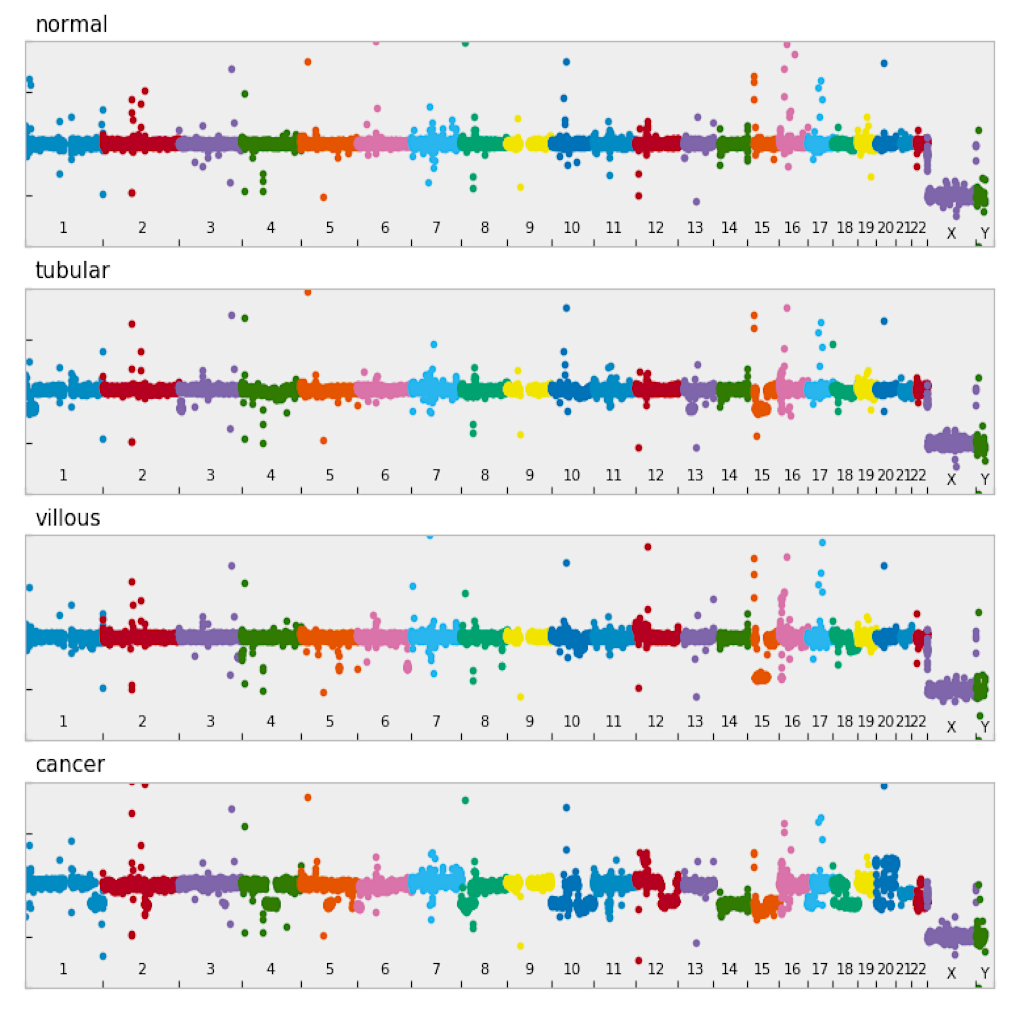 |
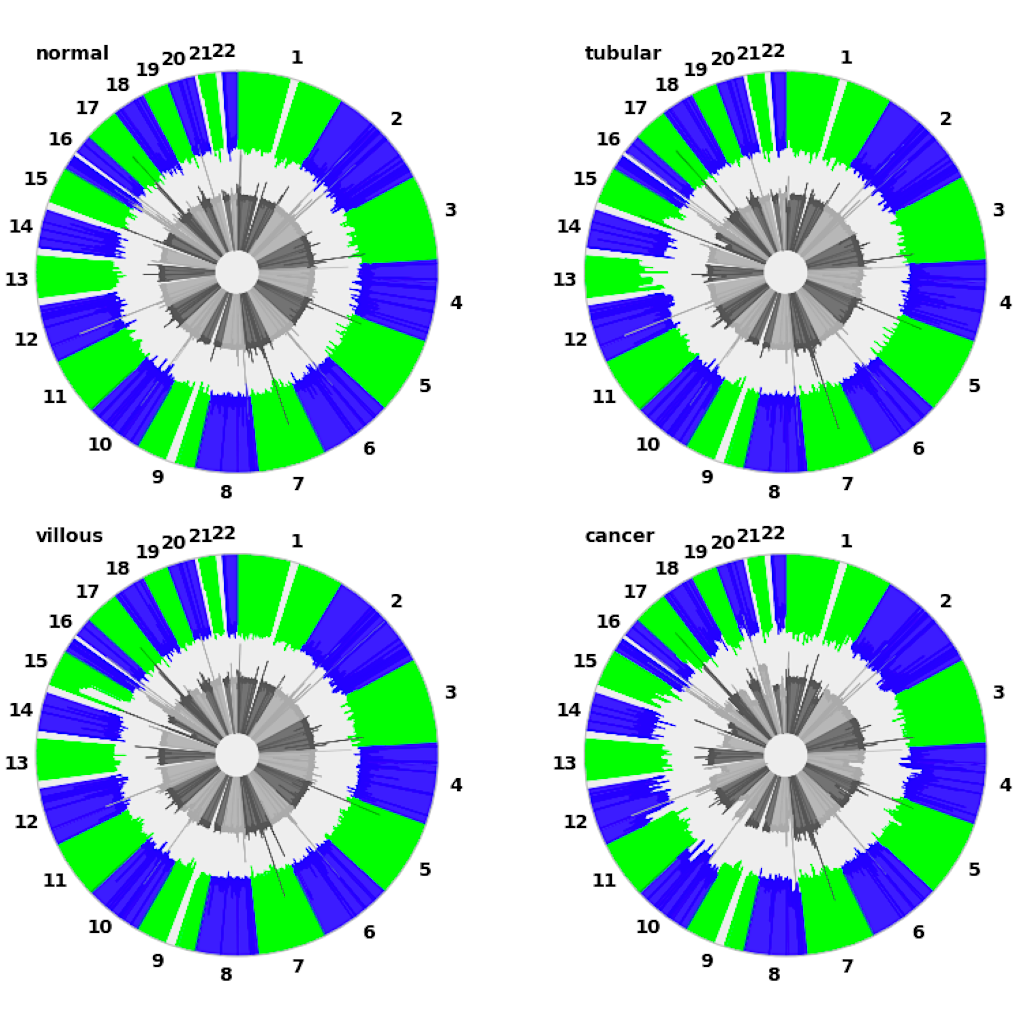 |
| Region plot (see example) | Compare regions (see example) |
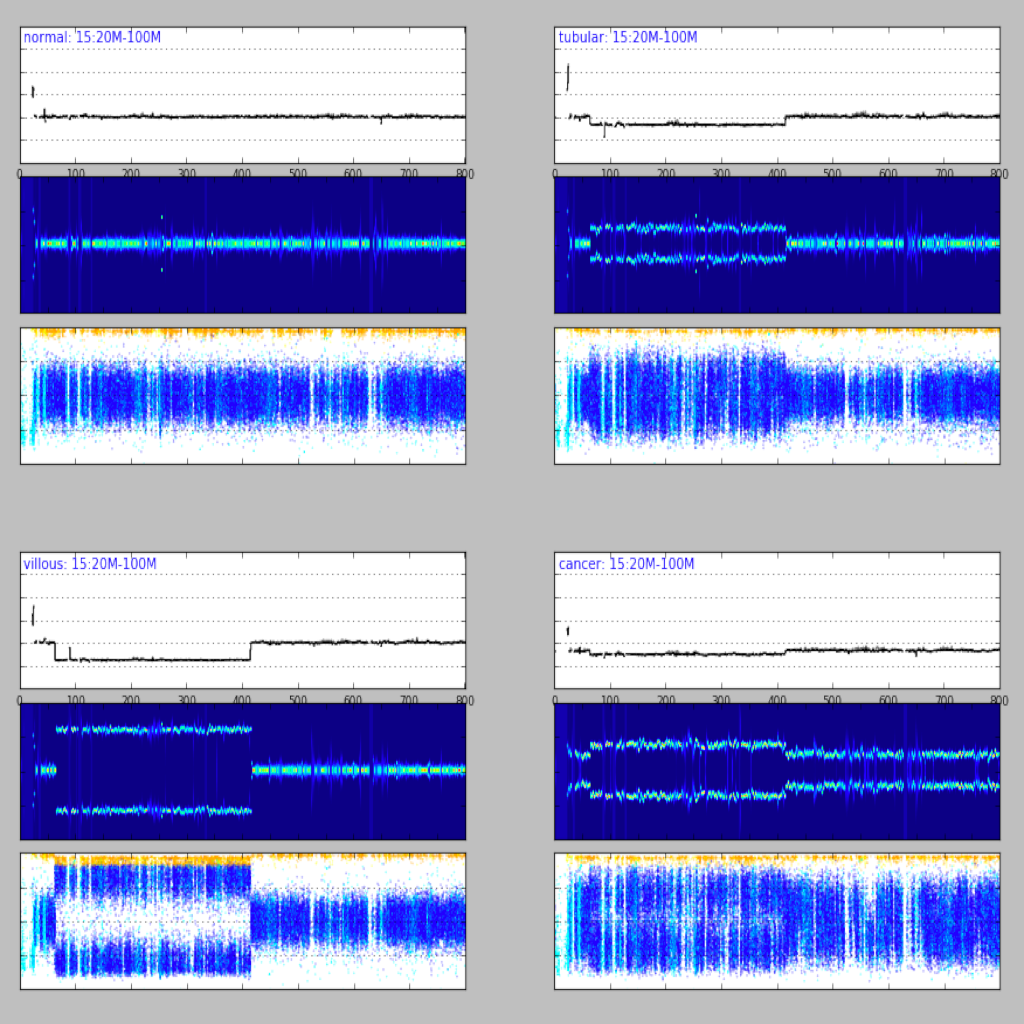 |
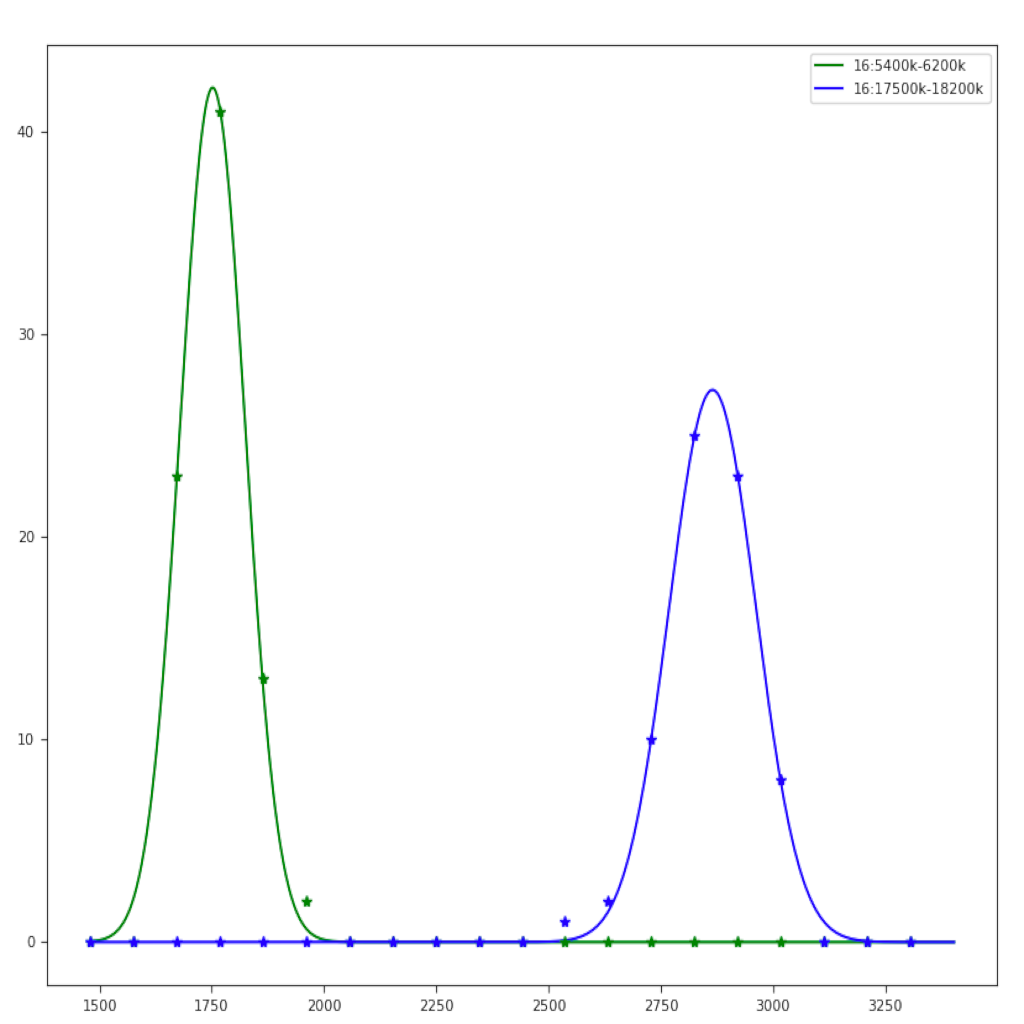 |
| Merging and annotating calls (see example) | Call somatic CNAs (see example) |
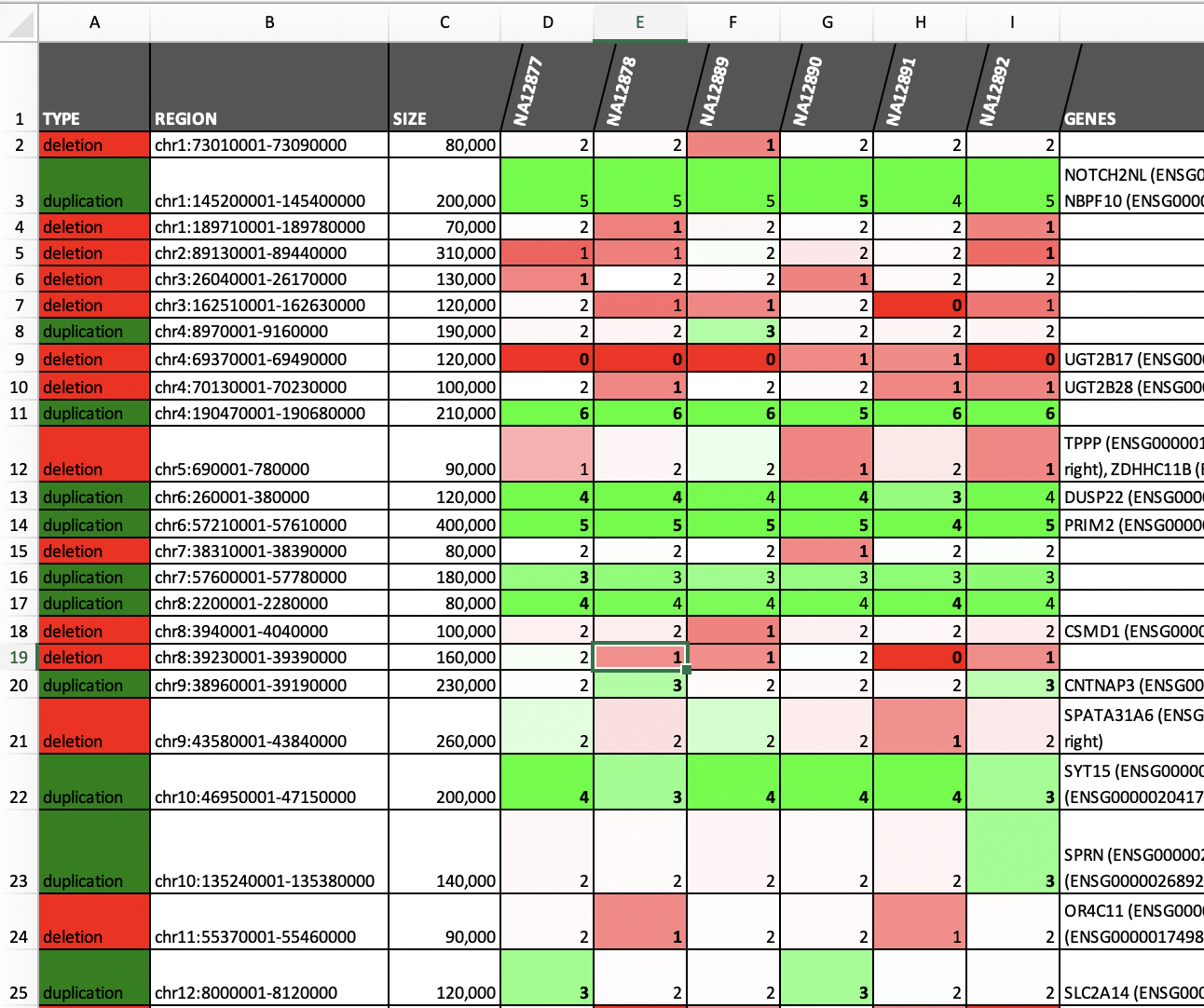 |
 |
Install
> pip install cnvpytor
> cnvpytor -download
Using
Check CNVpytor github page.
License
Released under MIT licence.


Release files for CNVpytor 1.3.2
For a detailed explanation of source distributions (sdists) and built distributions (wheels), please see the package formats documentation.
Source distribution (sdist)
| File | Size | Uploaded | Provenance | Actions |
|---|---|---|---|---|
| CNVpytor-1.3.2.tar.gz | 1.1 MB | Without provenance | Details for CNVpytor-1.3.2.tar.gz |
Release files / CNVpytor-1.3.2.tar.gz
| Download URL | CNVpytor-1.3.2.tar.gz |
|---|---|
| Size | 1.1 MB |
| Tags | Source |
|
SHA-256 checksum How to use checksums |
00822f25a69b12ad53e96bf2d7f1c52cbc9d09d55b3d4ff82f5dd331dfc78c56
|
|
BLAKE2b-256 checksum How to use checksums |
3be5e6e153917ce5f6327bc5f7c1558435d57ef840c5ef9b4a4506ea09c0ccc0
|
| Upload date | |
|
Uploaded using Trusted Publishing? What is trusted publishing? |
No |
| Uploaded via |
twine/6.1.0 CPython/3.12.4
|
Security for CNVpytor 1.3.2
Provenance
Provenance describes where a file came from. On PyPI, provenance is shared via attestations, which provide a verifiable record of the build or publishing details. View details, limitations and caveats.
No provenance found
None of the files in this release were uploaded with provenance metadata.
A note on package security
PyPI is a repository for distributing packages, not a service for auditing them. While third-party security researchers and our staff do their best to detect and remove malicious packages, PyPI cannot guarantee the quality, security or suitability of any given package.
To learn more about protecting yourself from malicious actors, visit our package security documentation.














