
A tool for testing and evaluating AI voice agents
Verified details
These details have been verified by PyPIProject links
GitHub Statistics
Maintainers

Project description



fixa is a python package for testing and evaluating AI voice agents.
it uses a voice agent to call your voice agent and an LLM to evaluate how the conversation went.
under the hood, this package uses:
- Pipecat for the agent
- Cartesia for TTS
- Deepgram for transcription
- OpenAI for the evaluator
- Twilio to initiate calls
(other integrations coming soon)
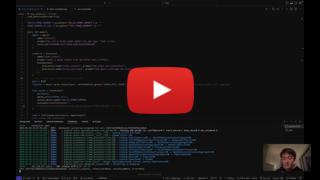
demo
quick start
installation:
pip install fixa-dev
run a test:
from fixa import Test, Agent, Scenario, Evaluation, TestRunner
from fixa.evaluators import LocalEvaluator
from dotenv import load_dotenv
import ngrok, os, asyncio

load_dotenv(override=True)

TWILIO_PHONE_NUMBER = "+15554443333" # the twilio phone number to initiate calls from
PHONE_NUMBER_TO_CALL = "+15554443333" # the phone number to call

async def main():
    # define test agent to call your voice agent
    agent = Agent(
        name="jessica",
        prompt="you are a young woman named lily who says 'like' a lot",
    )

    # define a scenario to test
    scenario = Scenario(
        name="order_donut",
        prompt="order a dozen donuts with sprinkles and a coffee",
        # define evaluations to evaluate the scenario after it finishes running
        evaluations=[
            Evaluation(name="order_success", prompt="the order was successful"),
            Evaluation(name="price_confirmed", prompt="the agent confirmed the price of the order"),
        ],
    )

    # start an ngrok server so twilio can access your local websocket endpoint
    port = 8765
    listener = await ngrok.forward(port, authtoken=os.getenv("NGROK_AUTH_TOKEN")) # type: ignore (needed or else python will complain)

    # initialize a test runner
    test_runner = TestRunner(
        port=port,
        ngrok_url=listener.url(),
        twilio_phone_number=TWILIO_PHONE_NUMBER,
        evaluator=LocalEvaluator(),
    )

    # add tests to the test runner
    test = Test(scenario=scenario, agent=agent)
    test_runner.add_test(test)

    # run the tests!
    test_results = await test_runner.run_tests(
        phone_number=PHONE_NUMBER_TO_CALL,
        type=TestRunner.OUTBOUND,
    )

if __name__ == "__main__":
    asyncio.run(main())
make sure to add the following api keys to your .env file:
OPENAI_API_KEY=
DEEPGRAM_API_KEY=
CARTESIA_API_KEY=
TWILIO_ACCOUNT_SID=
TWILIO_AUTH_TOKEN=
NGROK_AUTH_TOKEN=
example output in the console:
✨ All tests completed!

📊 Test Results:
==================================================

🎯 order_donut (jessica)
🔊 Recording URL: https://api.twilio.com/XXX
-- ✅ order_success: The order was successfully placed and confirmed by the user and the assistant.
-- ❌ price_confirmed: The price of the order was not mentioned or confirmed during the conversation.

==================================================
for more info, check out our docs
for questions setting anything up, join our discord
how it works
1. define agents and scenarios
agents are the voice agents that will call your voice agent. give each agent a prompt which determines its characteristics, like speaking patterns or personality.
agent = Agent(
    name="jessica",
    prompt="you are a young woman named lily who says 'like' a lot",
)
scenarios are the situations in which you would like to test your voice agent. give each scenario a prompt for how the test agent should act when calling your voice agent. also add some evaluations that will determine how the call will be evaluated after the scenario finishes running.
scenario = Scenario(
    name="order_donut",
    prompt="order a dozen donuts with sprinkles and a coffee",
    # define evaluations to evaluate the scenario after it finishes running
    evaluations=[
        Evaluation(name="order_success", prompt="the order was successful"),
        Evaluation(name="price_confirmed", prompt="the agent confirmed the price of the order"),
    ],
)
2. define tests
a test is an association between the scenario to run and which agent to use.
test = Test(scenario=scenario, agent=agent)
3. create a test runner
a test runner is used to actually execute the tests.
test_runner = TestRunner(
    port=port,
    ngrok_url=listener.url(),
    twilio_phone_number="+15554443333", # the twilio phone number to initiate calls from
    evaluator=LocalEvaluator(),
)
test_runner.add_test(test)
test_results = await test_runner.run_tests(
    type=TestRunner.OUTBOUND,
    phone_number="+15554443333", # the phone number to call
)
when tests are run, all the test calls are made simultaneously to the phone number provided, with the voice agent executing the prompt instructions specified in the scenario.
4. get results
after a call finishes, the evaluations defined as part of the scenario are run on the transcript, and the results are printed to the terminal.
🎯 order_donut (jessica)
🔊 Recording URL: https://api.twilio.com/XXX
-- ✅ order_success: The order was successfully placed and confirmed by the user and the assistant.
-- ❌ price_confirmed: The price of the order was not mentioned or confirmed during the conversation.
more information including transcript, etc. is available in the test_results object that is returned by the run_tests() function.
visualize the results
if you would like to visualize the results in a UI rather than in code, use the CloudEvaluator, which uploads the call to fixa observe. sign up here
from fixa.evaluators import CloudEvaluator
test_runner = TestRunner(
    port=port,
    ngrok_url=listener.url(),
    twilio_phone_number="+15554443333", # the twilio phone number to initiate calls from
    evaluator=CloudEvaluator(api_key=os.getenv("FIXA_API_KEY") or ""),
)
fixa observe comes with an audio player, a transcript, and pinpoints where the evaluations failed. it also analyzes latency and interruptions.

Project details
Verified details
These details have been verified by PyPIProject links
GitHub Statistics
Maintainers


Download files
Download the file for your platform. If you're not sure which to choose, learn more about installing packages.
Source Distribution
Built Distribution
Filter files by name, interpreter, ABI, and platform.
If you're not sure about the file name format, learn more about wheel file names.
Copy a direct link to the current filters
File details
Details for the file fixa_dev-0.0.3.tar.gz.
File metadata
- Download URL: fixa_dev-0.0.3.tar.gz
- Upload date:
- Size: 310.0 kB
- Tags: Source
- Uploaded using Trusted Publishing? Yes
- Uploaded via: twine/6.0.1 CPython/3.12.8
File hashes
| Algorithm | Hash digest | |
|---|---|---|
| SHA256 |
6ba6bcc2d12aec356bfd1c5a140d7f082edaeb7b431d85413367eafc2b3a045f
|
|
| MD5 |
35c53349e9f24b437a451458c0dc8b02
|
|
| BLAKE2b-256 |
dc0314b9a582faac00bbb159604043f87e46ec0d63d8f5f948bea7e125099b77
|
Provenance
The following attestation bundles were made for fixa_dev-0.0.3.tar.gz:
Publisher:
python-publish.yml on fixadev/fixa
-
Statement:
-
Statement type:
https://in-toto.io/Statement/v1 -
Predicate type:
https://docs.pypi.org/attestations/publish/v1 -
Subject name:
fixa_dev-0.0.3.tar.gz -
Subject digest:
6ba6bcc2d12aec356bfd1c5a140d7f082edaeb7b431d85413367eafc2b3a045f - Sigstore transparency entry: 164042687
- Sigstore integration time:
-
Permalink:
fixadev/fixa@3ac8cec1b4bf5eb7b251d19470f7ad3ec7657cf9 -
Branch / Tag:
refs/tags/v0.0.3 - Owner: https://github.com/fixadev
-
Access:
public
-
Token Issuer:
https://token.actions.githubusercontent.com -
Runner Environment:
github-hosted -
Publication workflow:
python-publish.yml@3ac8cec1b4bf5eb7b251d19470f7ad3ec7657cf9 -
Trigger Event:
release
-
Statement type:
File details
Details for the file fixa_dev-0.0.3-py3-none-any.whl.
File metadata
- Download URL: fixa_dev-0.0.3-py3-none-any.whl
- Upload date:
- Size: 17.2 kB
- Tags: Python 3
- Uploaded using Trusted Publishing? Yes
- Uploaded via: twine/6.0.1 CPython/3.12.8
File hashes
| Algorithm | Hash digest | |
|---|---|---|
| SHA256 |
caf7f4dcf3efc70f0c87dc4ea05ec0f728ad414d9c368834ce4e90c5f7645693
|
|
| MD5 |
db87780894a6cc7720cf3d399a610d85
|
|
| BLAKE2b-256 |
8ede19f7f5d563e4ea3d9ec7612b6197b4ac1360433e61e5bc97b9ccf82fb4ca
|
Provenance
The following attestation bundles were made for fixa_dev-0.0.3-py3-none-any.whl:
Publisher:
python-publish.yml on fixadev/fixa
-
Statement:
-
Statement type:
https://in-toto.io/Statement/v1 -
Predicate type:
https://docs.pypi.org/attestations/publish/v1 -
Subject name:
fixa_dev-0.0.3-py3-none-any.whl -
Subject digest:
caf7f4dcf3efc70f0c87dc4ea05ec0f728ad414d9c368834ce4e90c5f7645693 - Sigstore transparency entry: 164042690
- Sigstore integration time:
-
Permalink:
fixadev/fixa@3ac8cec1b4bf5eb7b251d19470f7ad3ec7657cf9 -
Branch / Tag:
refs/tags/v0.0.3 - Owner: https://github.com/fixadev
-
Access:
public
-
Token Issuer:
https://token.actions.githubusercontent.com -
Runner Environment:
github-hosted -
Publication workflow:
python-publish.yml@3ac8cec1b4bf5eb7b251d19470f7ad3ec7657cf9 -
Trigger Event:
release
-
Statement type:






