
FlashMoE: Fast Distributed MoE in a Single Kernel [NeurIPS'25]
FlashMoE is the first fully fused Distributed MoE system that achieves high tensor core utilization by eliminating kernel boundaries and enabling fine-grained overlap of communication and computation. We provide high-performance single- and multi-node EP inference and work seamlessly with CUDA graphs. See paper here.
Table of Contents
Problem: MoE Bottlenecks in Inference
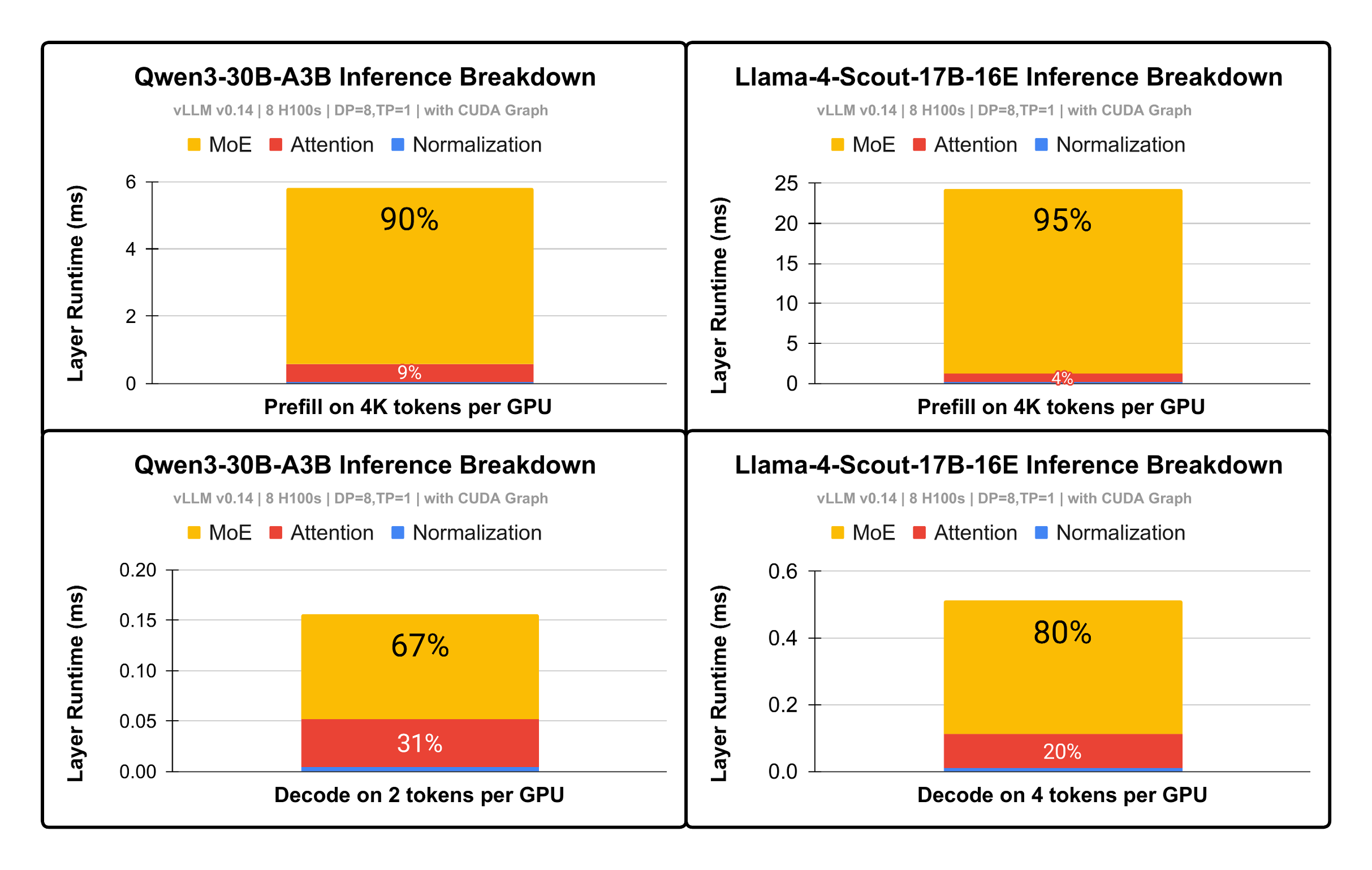 Figure 1: Opportunity. MoE takes 67%-95% of inference runtime. |
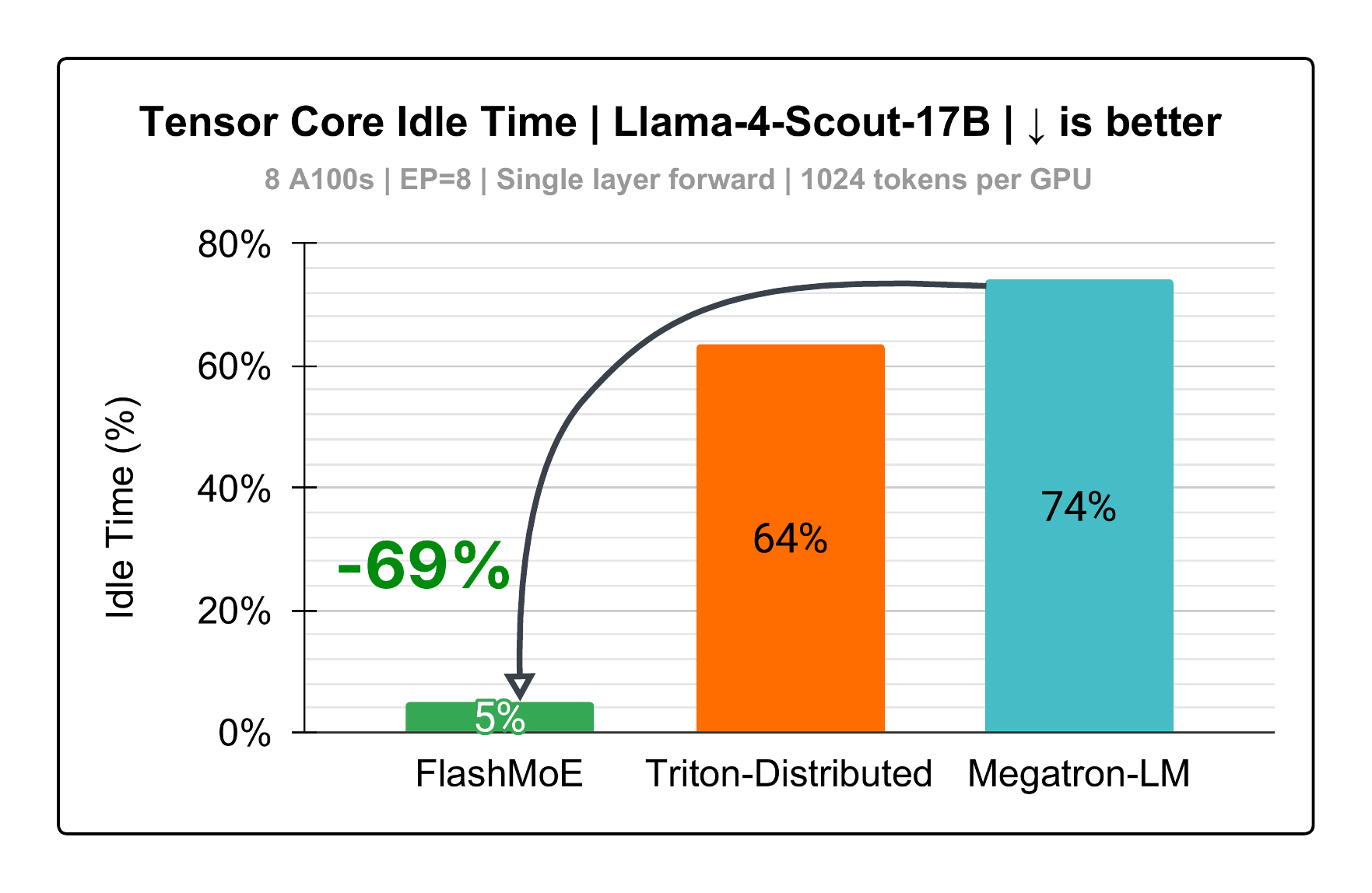 Figure 2: Tensor core Utilization. y-axis is percentage of MoE runtime that tensor cores are inactive. |
Distributed Mixture-of-Experts (DMoE) is an extremely demanding workload, both compute- and communication-intensive, accounting for up to 95% of total inference runtime (Figure 1).
This makes DMoE the primary bottleneck in distributed inference and a critical target for optimization.
However, existing implementations leave significant performance untapped, achieving only 26% tensor core utilization (Figure 2).
We identify three key sources of inefficiency:
- Exposed communication on the critical path
- Straggler-induced delays from load imbalance
- System overheads from dynamic token routing (e.g., metadata management, inputs preprocessing for compute operators like GroupedGEMM)
As a result, GPUs spend the majority of time stalled, with only 26% of runtime utilizing tensor cores.
Our Solution: Complete Kernel Fusion
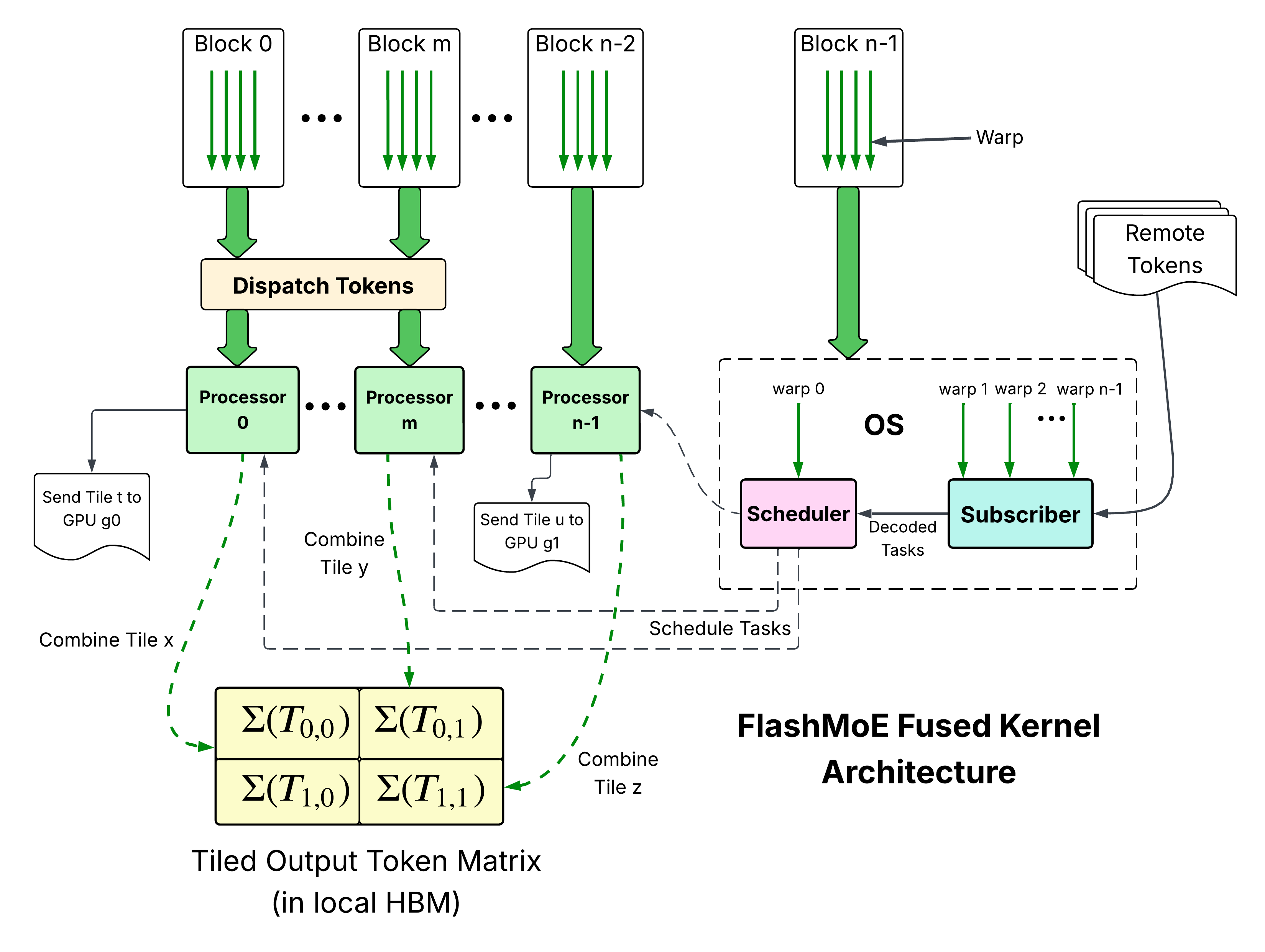
Figure 3: FlashMoE Architecture
We address these inefficiencies through complete kernel fusion, enabling:
- Fine-grained overlap of communication and computation at tile granularity
- Latency hiding of preprocessing and system overheads via SM specialization
- Exploitation of task locality at scale, allowing SMs to execute ready tasks out-of-order, minimizing idle and boosting resource utilization.
In contrast, existing implementations rely on tens to hundreds of serialized kernels, enforcing strict execution order and limiting task locality.
This results in unnecessary stalls—for example, during collective synchronization (AllGather, ReduceScatter, AllToAll), where GPUs idle waiting for stragglers instead of executing independent compute tasks.
Our Work
We present FlashMoE (Figure 3), the first fully fused Distributed MoE system.
FlashMoE is a high-throughput, portable system that fuses:
- MoE Dispatch
- Expert Computation (Gated MLP or standard MLP)
- MoE Combine
into a single tile-pipelined persistent kernel.
At its core, FlashMoE embeds an Operating System within the kernel, enabling concurrent scheduling and execution, thereby hiding system and communication latency.
FlashMoE is built from the ground up in CUDA C++, with selective inline PTX. It leverages:
- cuBLASDx for device-side high-performance compute
- NVSHMEM for asynchronous, device-initiated communication
- CCCL and CUTLASS for critical infrastructure
🏎️ Portability
We support
- SM70 and above GPUs. Boosting compute performance for Hopper and Blackwell is on the roadmap.
- NVLink and multi-node RDMA (EFA, IBGDA, libfabric as NVSHMEM supports).
- FP16, BF16, FP32 (TF32) and FP64. FP8 and even lower precision types are on the roadmap (we welcome contributions!)
Requirements
- CUDA toolkit
- C++20
- ninja (
sudo apt install ninja-build) - CMake (>= 3.28)
Hardware Requirements
- GPU architecture of at least SM 70.
- A P2P GPU interconnect (NVLink, some PCIe and GPUDirect RDMA). NVSHMEM will fail if this criterion is not met.
Installation
cuBLASDx
- Download from here and save in
<your_directory>, e.g~/.local.
NVSHMEM
- Install as directed here.
Env Variables
export NVSHMEM_LIB_HOME=/usr/lib/x86_64-linux-gnu/nvshmem/<12 or 13>. #Do confirm this directory exists!
export MATHDX_ROOT=<your_directory>/nvidia-<...>/mathdx/yy.mm/
export CMAKE_PREFIX_PATH=$NVSHMEM_LIB_HOME:$MATHDX_ROOT:$CMAKE_PREFIX_PATH
export LD_LIBRARY_PATH=$NVSHMEM_LIB_HOME:$LD_LIBRARY_PATH
👉 Tip: add the above exports to your
.bashrc
🚀 Python QuickStart
pip install flashmoe-py[cu12] # or cu13
Python API Showcase
See quickstart.py for a complete example, the below is just a showcase.
import flashmoe

if __name__ == "__main__":
    # Llama4-Scout-17B-16E shapes
    # model description which flashmoe.initialize uses to JIT compile the kernel
    tokens_per_rank = 1024
    token_dim = 5120
    ffn_size = 8192
    num_experts = 16
    k = 1
    mlp_type = flashmoe.MLPType.GATED # Gated MLP
    data_type = flashmoe.DataType.BF16
    act_type = flashmoe.ActivationType.SILU

    init_args = flashmoe.InitArgs(...)

    flash_handle = flashmoe.initialize(init_args)
    router_handle = flashmoe.router.initialize(init_args)

    router_forward_args = ...
    # single kernel for GEMM + Softmax + topk selection
    flashmoe.router.forward(router_handle, flash_handle, router_forward_args)

    flashmoe_forward_args = ...
    # single kernel for Dispatch + Experts + Combine
    flashmoe.forward(flash_handle, flashmoe_forward_args)

    # call finalize
    flashmoe.finalize(flash_handle)
    flashmoe.router.finalize(router_handle)
Running a Python Program
We suggest running these to verify that you meet all installation requirements.
Single-Node
Torchrun
torchrun --nproc_per_node=<number of GPUs> quickstart.py --torch-init
MPI
pip install mpi4py
mpirun -n <number of GPUs> python3 quickstart.py
Multi-node
Getting this to work would be dependent on the launcher in your cluster. Below, we suggest some launch recipes. Use what works for you.
# SLURM with libfabric (tested)
export NVSHMEM_REMOTE_TRANSPORT=libfabric
export NVSHMEM_LIBFABRIC_PROVIDER=... # efa,cxi,or verbs
export NVSHMEM_DISABLE_CUDA_VMM=1
export NVSHMEM_BOOTSTRAP=MPI
srun -N <number of nodes> -n <total number of gpus> \
    --ntasks-per-node=<gpus per node> --gpus-per-task=1 --gpu-bind=closest python3 quickstart.py
# torchrun with Connect-x NICs (not tested)
export NVSHMEM_IB_ENABLE_IBGDA=true
torchrun \
    --nproc_per_node=<number of GPUs> \
    --nnodes<...> \
    --rdzv_endpoint=<master address, like hostname of rank 0> \
    --rdzv_backend=c10d \
    --rdzv-id=<some id, like 123456789> \
    --node_rank=<...> python3 quickstart.py
Use C++ API (header-only)
Add the following to your CMakeLists.txt
set(CPM_SOURCE_CACHE
        "${CMAKE_CURRENT_SOURCE_DIR}/cmake/cache"
        CACHE PATH "Shared CPM source cache"
)
set(CMAKE_CUDA_ARCHITECTURES "native") # or your own architecture

#...
CPMAddPackage(
  NAME flashmoe
  GITHUB_REPOSITORY osayamenja/flashmoe
  GIT_TAG v0.1.2
)

target_link_libraries(app PRIVATE flashmoe::flashmoe)

FlashMoESetRDC(app)
FlashMoEAddOptions(app)
and include the header file like below. See csrc/tests/flashmoe.cu for more usage details.
#include <flashmoe/flashmoe.cuh>
✅ Roadmap
- Improve MMA for Hopper (WGMMA) and Blackwell (UTCMMA).
- FP8 support
- Shared experts
- AMD support
📊 Performance Results
- We measure with the EP+DP parallelism scheme.
- We compare against COMET (MLSys '25), Megatron-LM, and Triton-Distributed.
- We measure a single layer's execution only.
- For every model we evaluated,
we use model shapes and data types as defined in its corresponding
config.jsonon HuggingFace. - We do not execute any shared experts.
👉 On frontier MoE models, FlashMoE gives up to 5x speedup and 69% increase in tensor core utilization compared to SOTA baselines.
Gated MLP
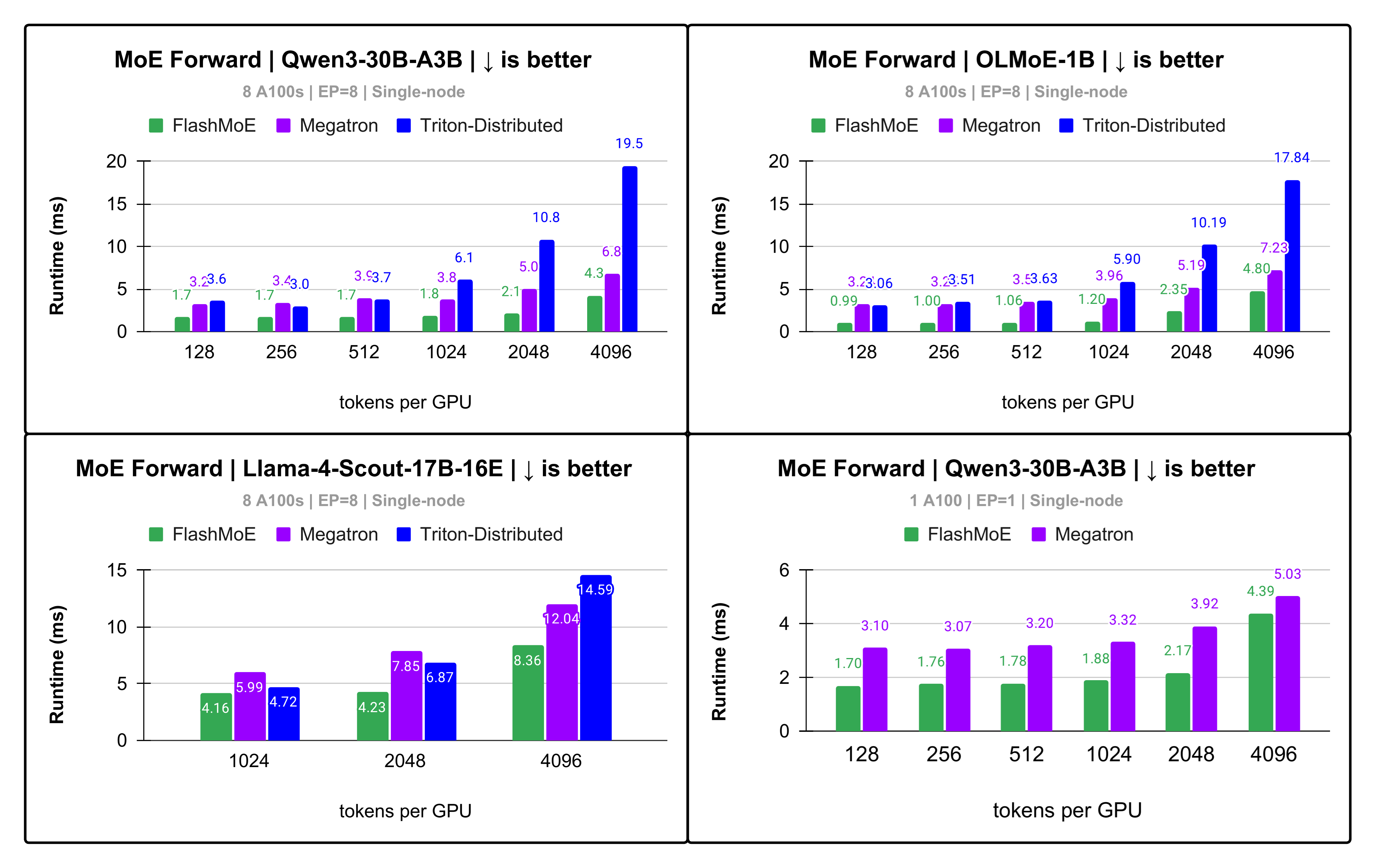
Figure 4: Up to 5.1x faster MoE layer runtime on Qwen-30B with single-node EP
Conventional MLP
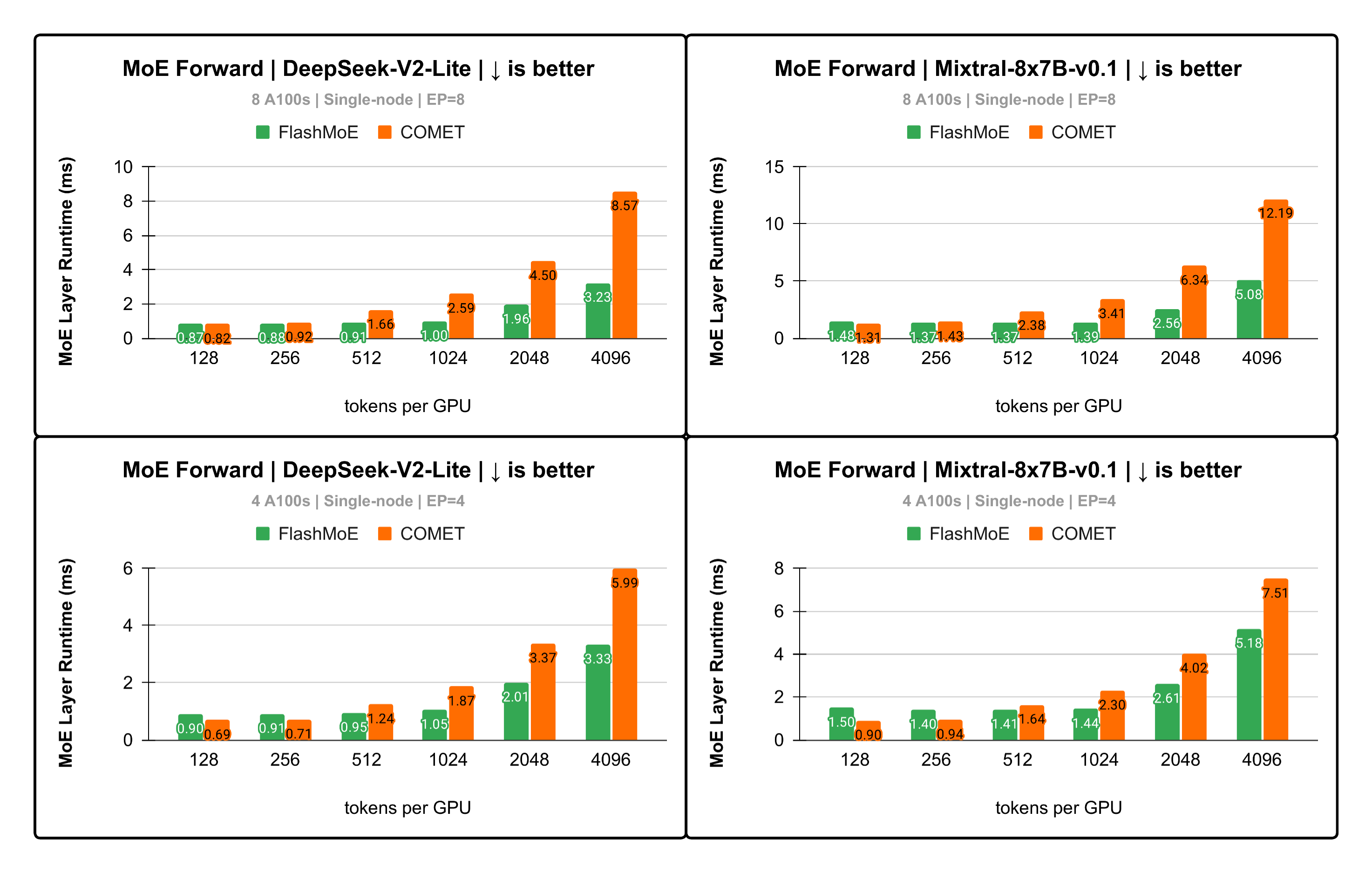
Figure 5: Up to 2.6x faster runtime DeepSeek-V2-Lite
Multi-node (libfabric on Slingshot 11)
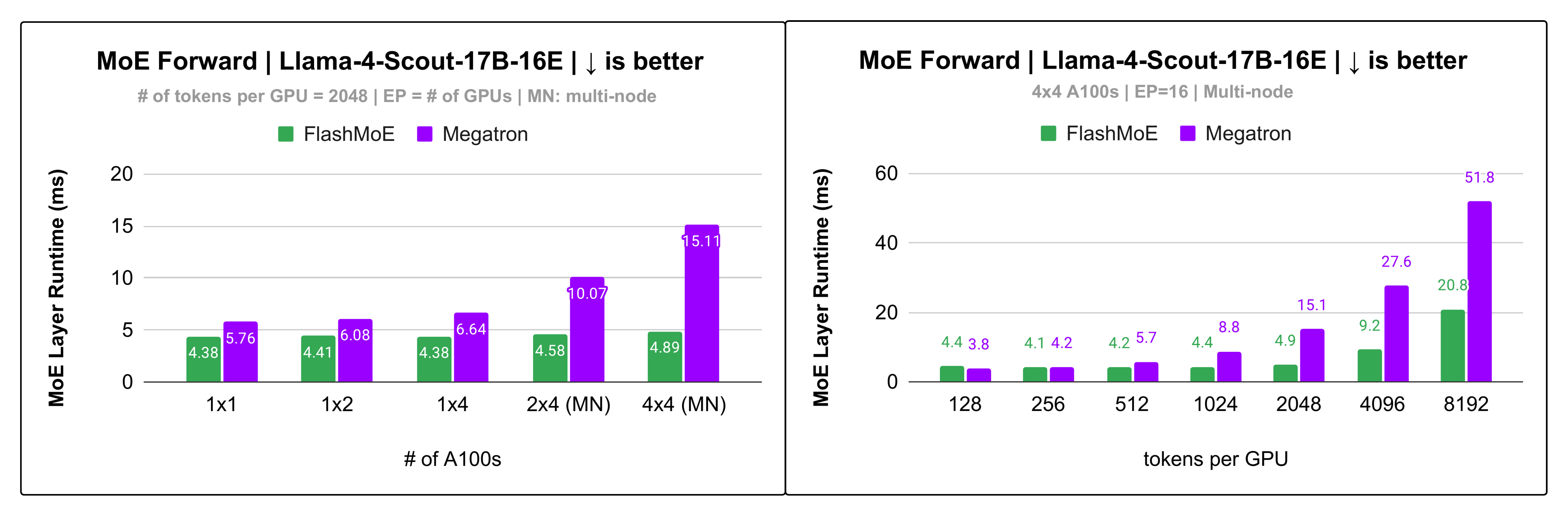
Figure 6: Up to 3x speedup on Llama4-Scout for multi-node EP!
H100s
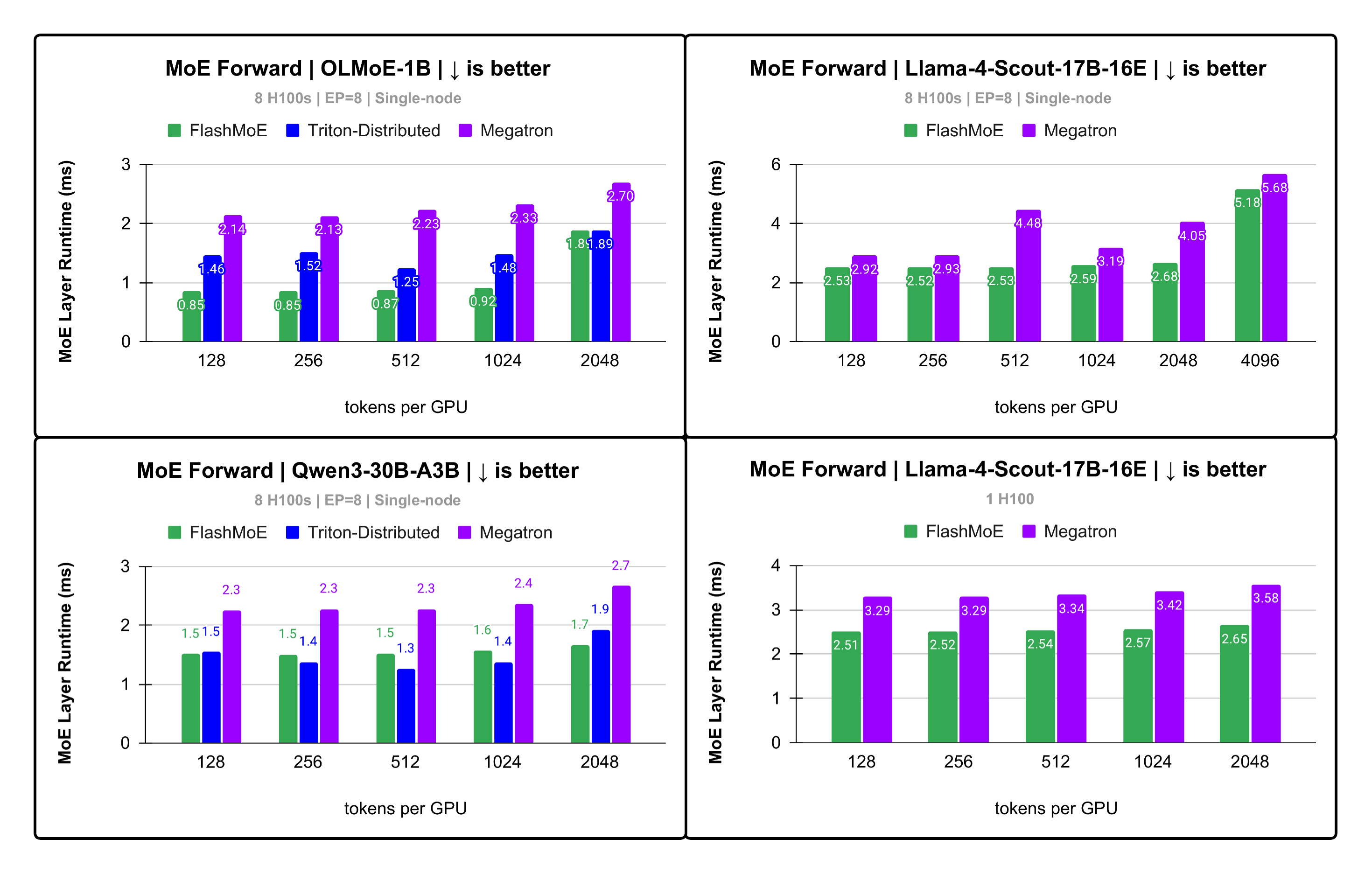
Figure 7: Up to 2.5x speedup on H100s.
Run Benchmark (C++)
cd csrc
mkdir cmake-build-release && cd cmake-build-release
cmake -DCMAKE_BUILD_TYPE=Release -Wno-dev -G Ninja -S.. -B.
cmake --build . --target testFlashMoE --parallel
export NVSHMEM_BOOTSTRAP=MPI
mpirun -n <world> ./testFlashMoE <num tokens per rank> <token dim> <ffn dim> <num experts total> <top k>
IDEs
The codebase integrates well with CLion: open the project at csrc.
Contributions
We welcome them! Submit a PR!
Acknowledgements
Super grateful to the amazing folks behind
- cuBLASDx
- CUTLASS
- NVSHMEM
- CCCL
This work would not have been possible without the critical building blocks they provide.
📖 Citation
If you can, please cite as below:
@misc{aimuyo2025flashmoe,
      title={FlashMoE: Fast Distributed MoE in a Single Kernel},
      author={Osayamen Jonathan Aimuyo and Byungsoo Oh and Rachee Singh},
      year={2025},
      eprint={2506.04667},
      archivePrefix={arXiv},
      primaryClass={cs.DC},
      url={https://arxiv.org/abs/2506.04667},
}
1 maintainer

Release files for flashmoe-py 0.1.2
For a detailed explanation of source distributions (sdists) and built distributions (wheels), please see the package formats documentation.
Source distribution (sdist)
| File | Size | Uploaded | |
|---|---|---|---|
| flashmoe_py-0.1.2.tar.gz | 25.6 kB | Details |
Built distribution (wheel)
| File | Interpreter | ABI | Platform | Reset |
|---|---|---|---|---|
| flashmoe_py-0.1.2-py3-none-any.whl | Python 3 | none | any | Details |
Total release size: 48.1 kB
Release files / flashmoe_py-0.1.2.tar.gz
| Download URL | flashmoe_py-0.1.2.tar.gz |
|---|---|
| Size | 25.6 kB |
| Tags | Source |
|
SHA-256 checksum How to use checksums |
2fe26ea76b7528578f62c3a47ee3533a56bd9d5b12aee8b682debfbd5a77f08c
|
|
BLAKE2b-256 checksum How to use checksums |
11827841b13882609f996cfc5a25bf47ff9524d85dec8801b1ff7d5b1fba2d0d
|
| Upload date | |
|
Uploaded using Trusted Publishing? What is trusted publishing? |
No |
| Uploaded via |
twine/6.2.0 CPython/3.12.3
|
Release files / flashmoe_py-0.1.2-py3-none-any.whl
| Download URL | flashmoe_py-0.1.2-py3-none-any.whl |
|---|---|
| Size | 22.5 kB |
| Tags | Python 3 |
|
SHA-256 checksum How to use checksums |
ec9d6e268bb0b6144af8b8697e50b54f5d8eec44e1b4bd4ac26fe5787fcd219d
|
|
BLAKE2b-256 checksum How to use checksums |
de22ff0d51b5b57ec7d9dc1ff230a8ece714c706b7fa05d2ea98cad855a5eaaa
|
| Upload date | |
|
Uploaded using Trusted Publishing? What is trusted publishing? |
No |
| Uploaded via |
twine/6.2.0 CPython/3.12.3
|














