
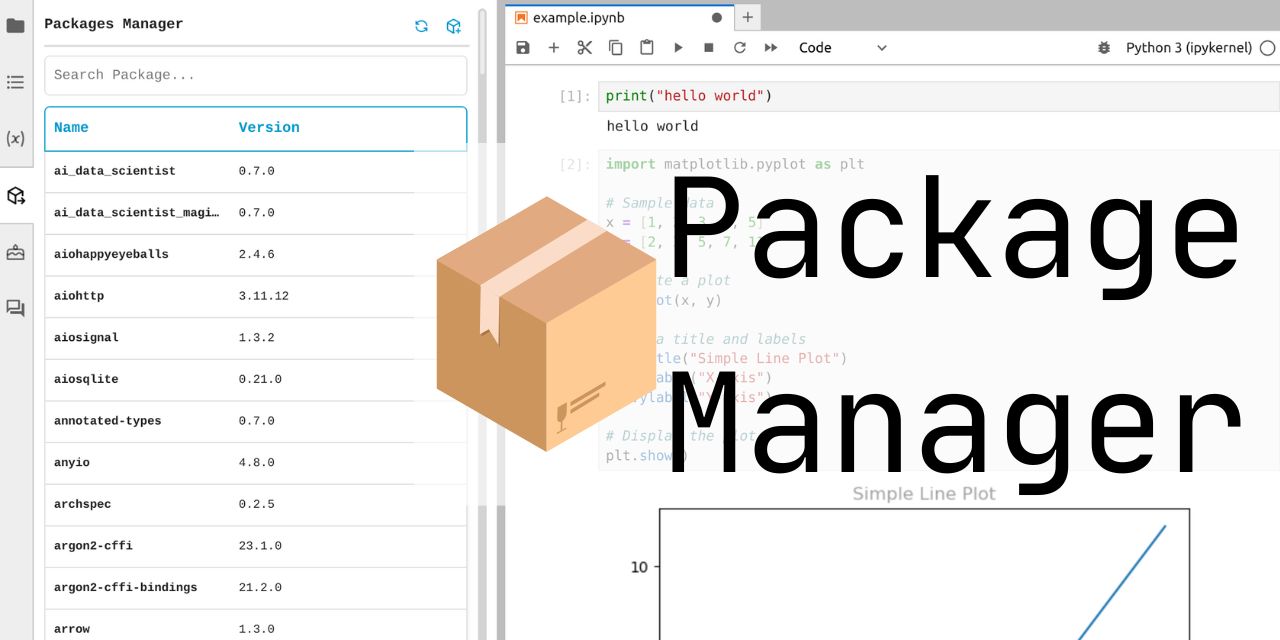
Jupyter Package Manager
Package Manager is a JupyterLab extension that simplifies managing Python packages directly within your notebooks. With this extension, you can list, filter, install, and remove packages from pip - all without leaving your JupyterLab environment.
Features
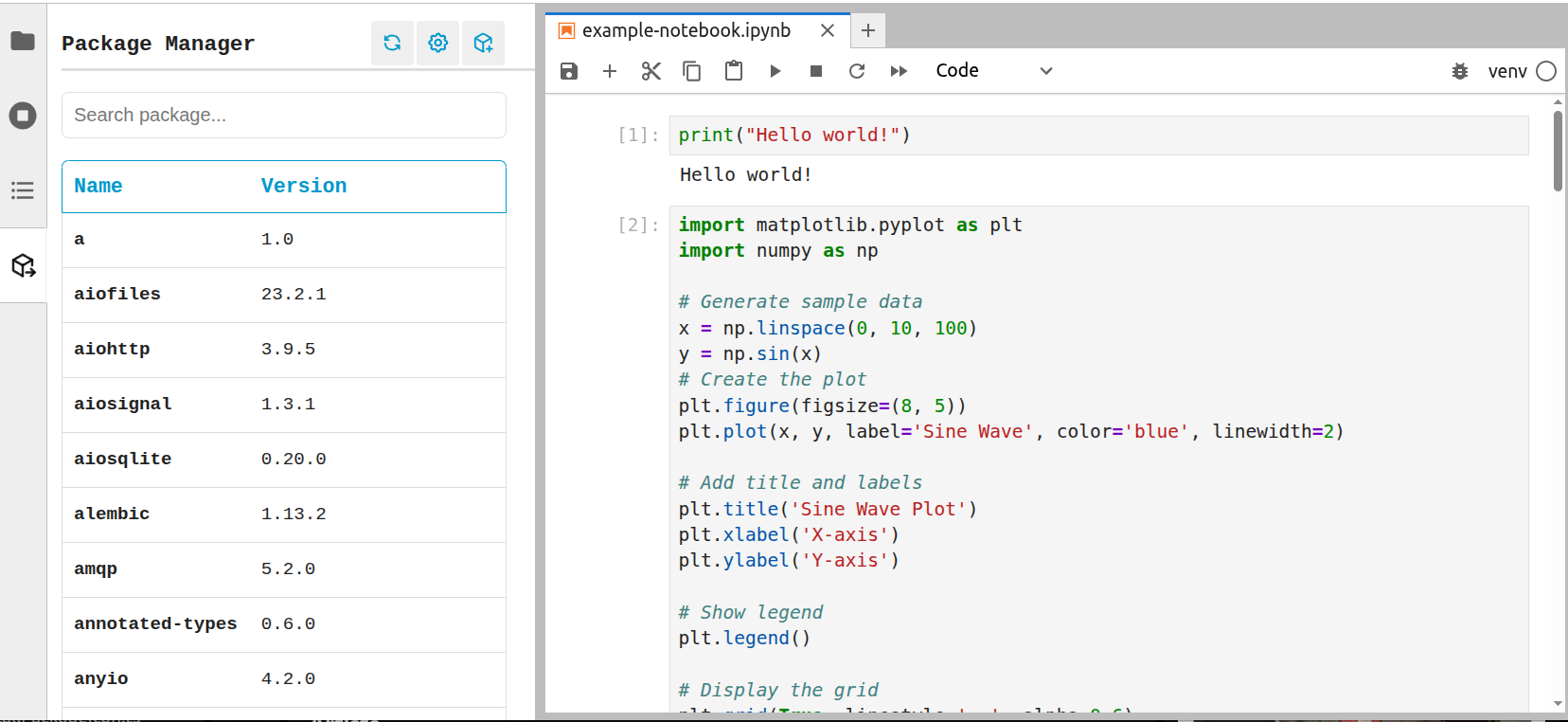
List packages
List all packages installed for the currently open notebook.
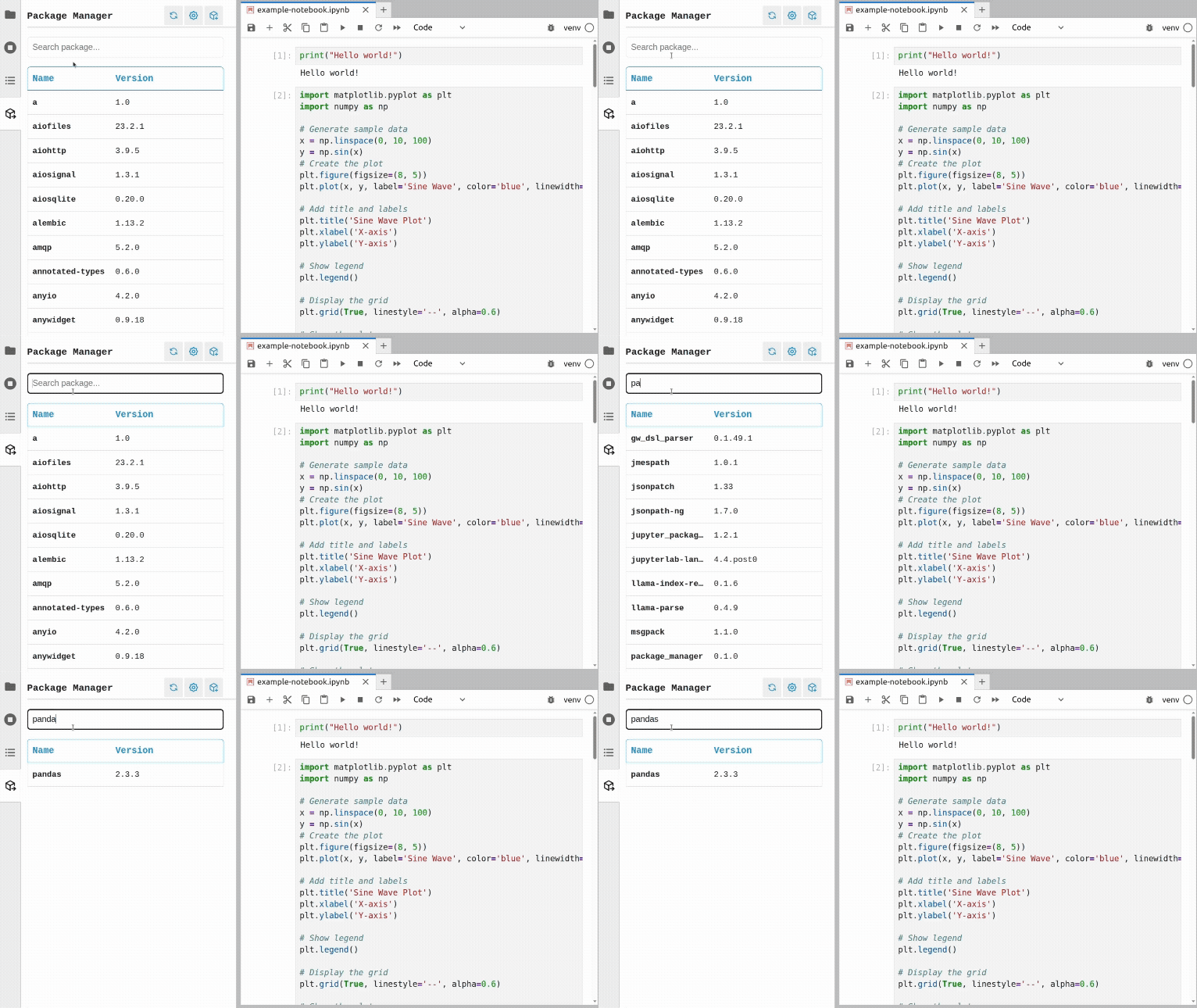
Filtering packages by name
Quickly search and filter through packages by name.
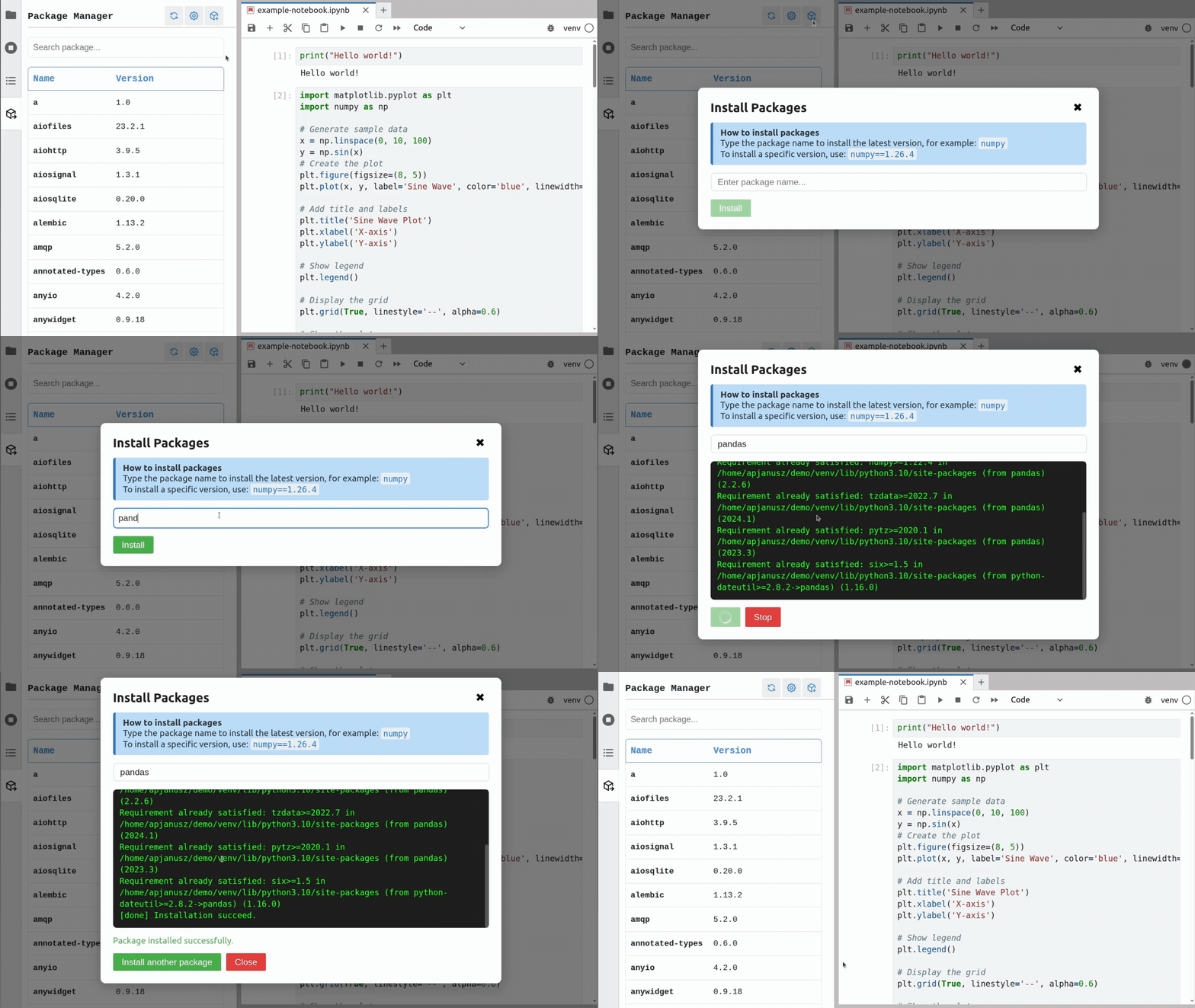
Install a new package
Install any new package you need directly from the notebook interface.
During installation, you have access to logs, including output and error messages, which helps with debugging and troubleshooting.
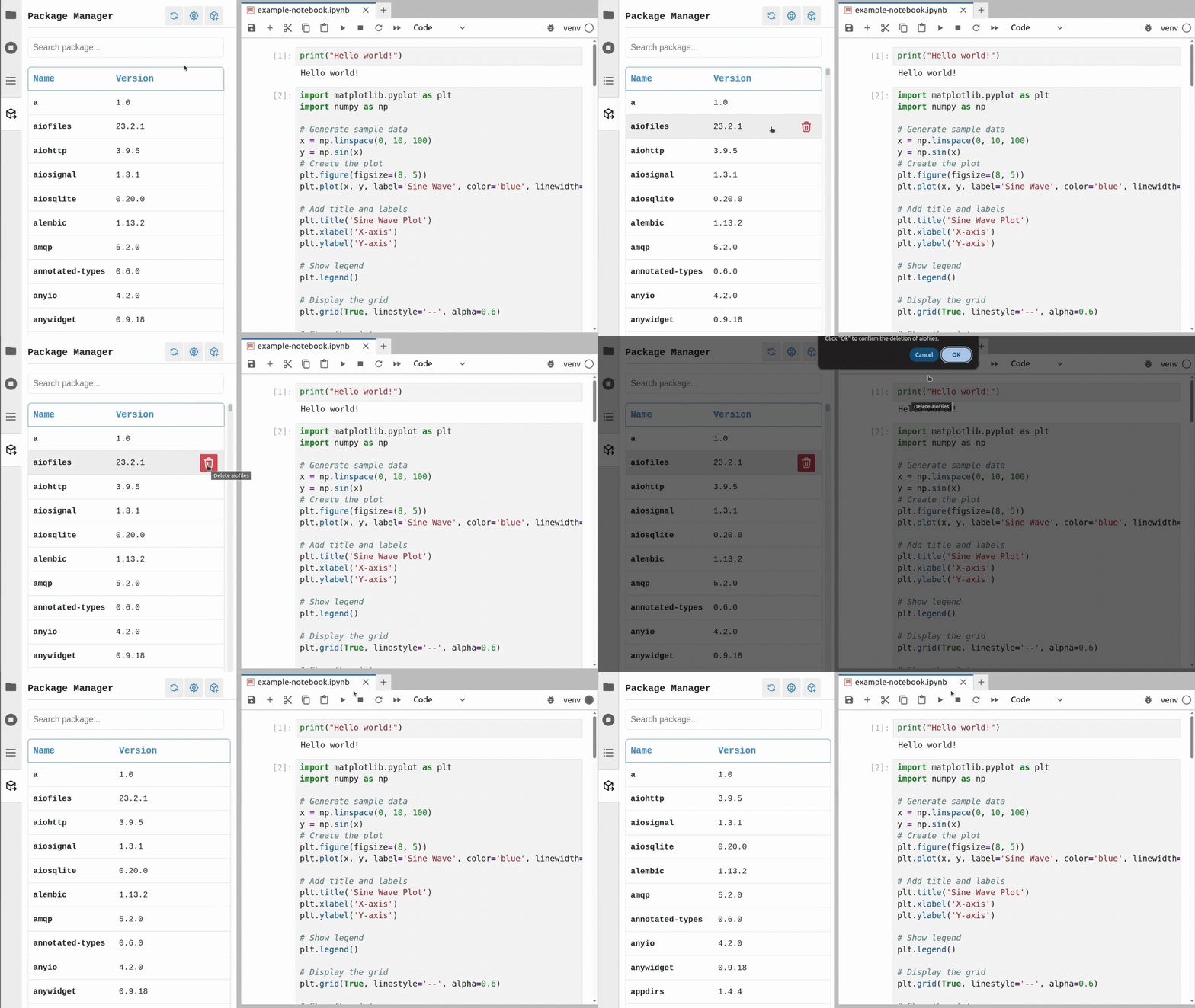
Remove package
Easily remove packages that are no longer needed in your current environment, with an additional confirmation step to prevent accidental removal of required packages.
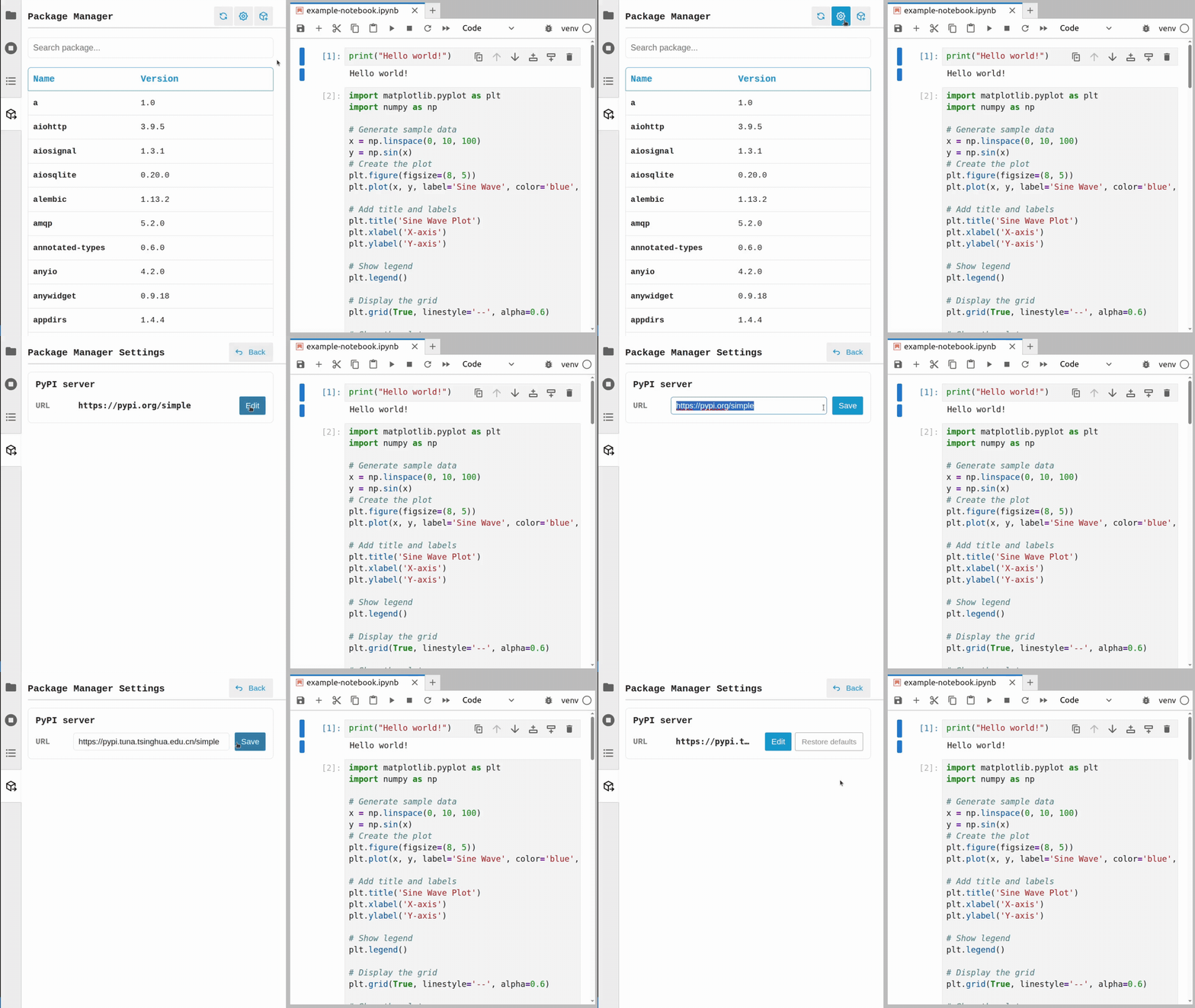
Change PyPI Server
You can easily switch the PyPI server to your own private repository.
This helps with secure package management and better control over installed packages.
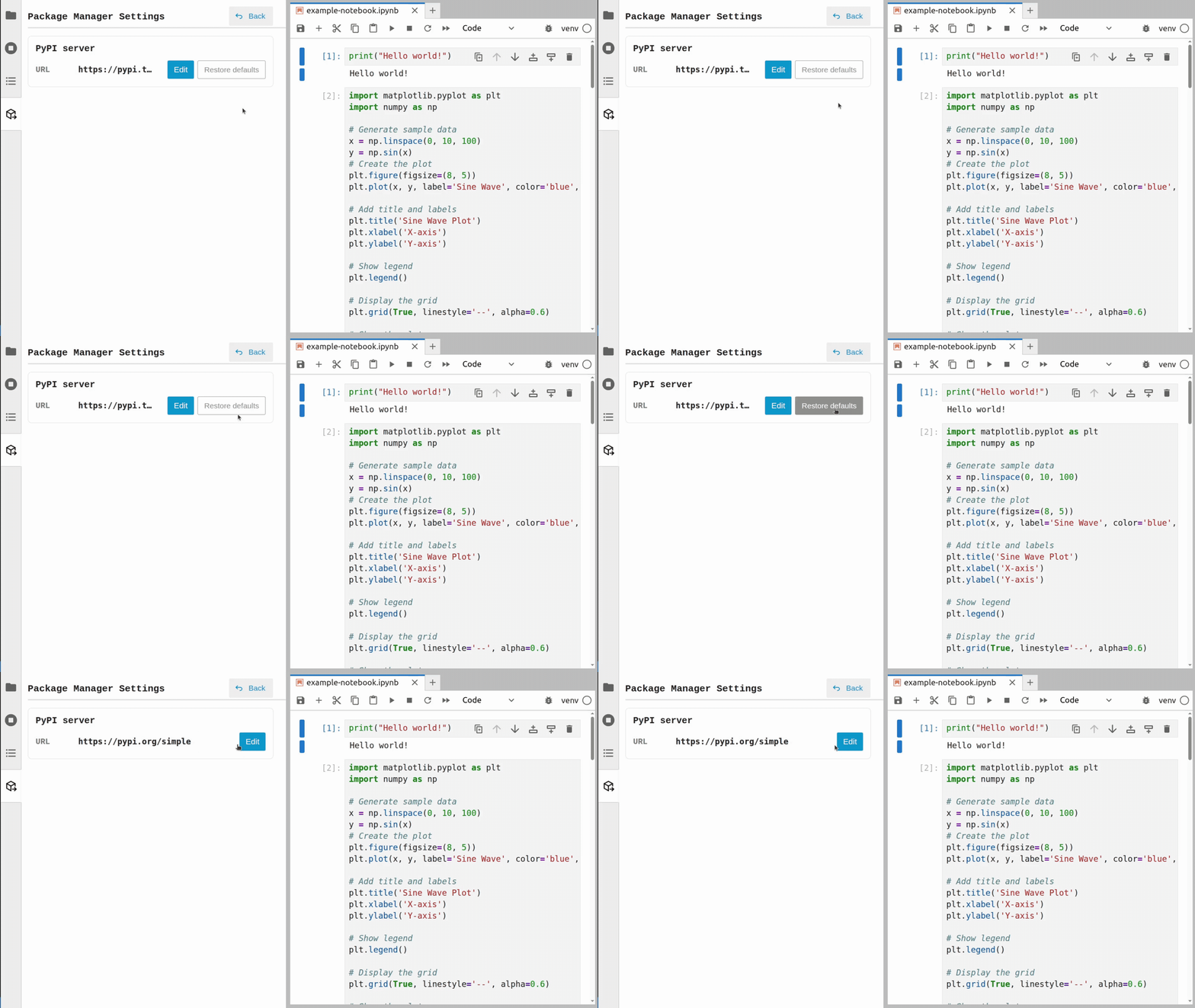
You can also quickly switch back to the official PyPI server at any time — it only takes a moment.
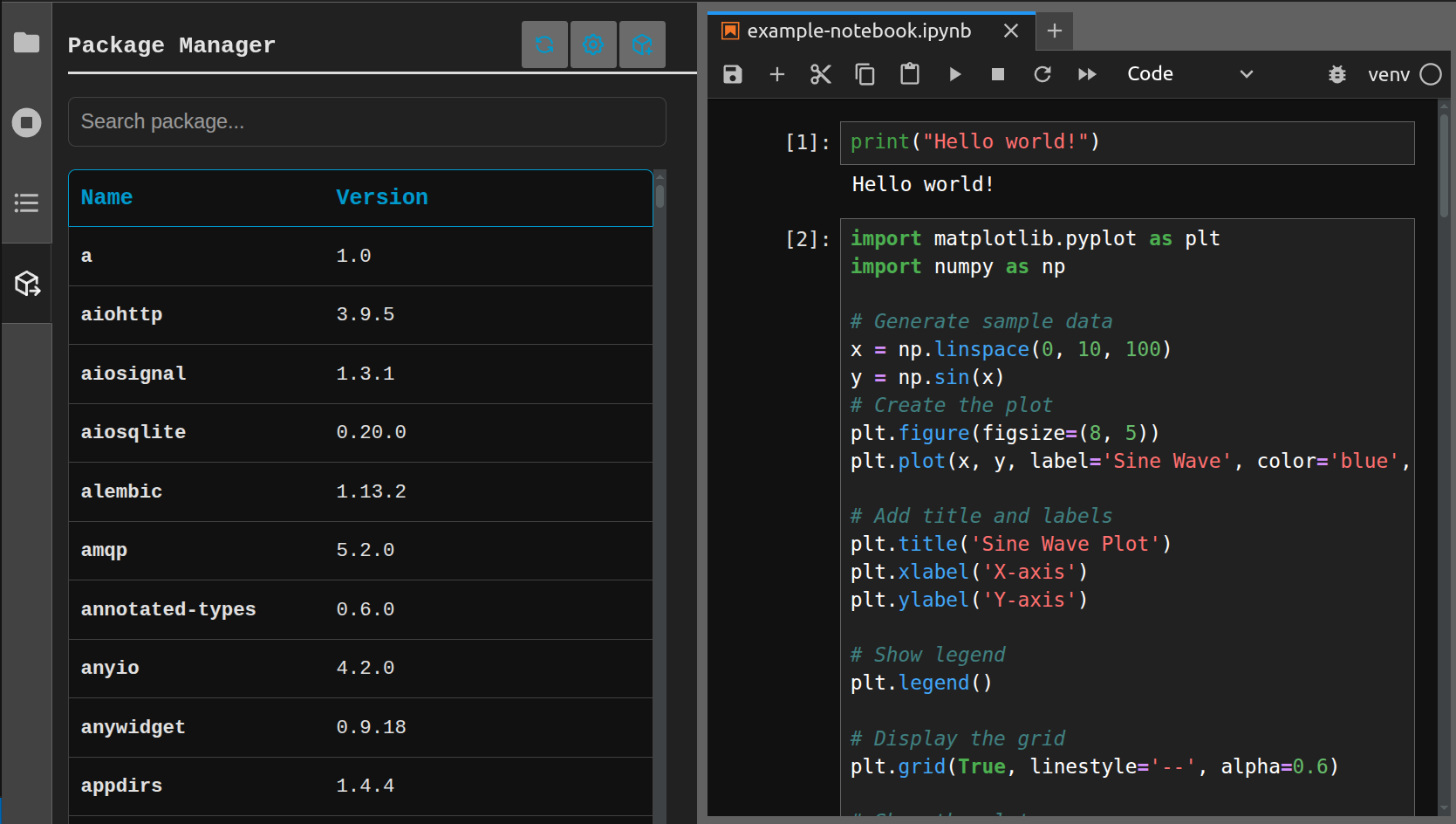
Dark theme
Enjoy a dark mode experience for more comfortable viewing in low-light environments.
Install extension
It can also be installed with Python >= 3.9 and JupyterLab >= 4.2.0. To install the extension, execute:
pip install jupyter_package_manager
The extenstion is by default available in MLJAR Studio - a desktop app for creating Python notebooks.
Uninstall extension
To remove the extension, execute:
pip uninstall jupyter_package_manager
Contributing
Development install
Note: Building from source requires Node.js 22.12.0 or newer for the patched build dependencies. Installing a prebuilt Python wheel does not require Node.js.
The jlpm command is JupyterLab's pinned version of
yarn that is installed with JupyterLab. You may use
yarn or npm in lieu of jlpm below.
# Clone the repo to your local environment
# Change directory to the package_manager directory
# Install package in development mode
pip install -e "."
# Link your development version of the extension with JupyterLab
jupyter labextension develop . --overwrite
# Rebuild extension Typescript source after making changes
jlpm build
You can watch the source directory and run JupyterLab at the same time in different terminals to watch for changes in the extension's source and automatically rebuild the extension.
# Watch the source directory in one terminal, automatically rebuilding when needed
jlpm watch
# Run JupyterLab in another terminal
jupyter lab
With the watch command running, every saved change will immediately be built locally and available in your running JupyterLab. Refresh JupyterLab to load the change in your browser (you may need to wait several seconds for the extension to be rebuilt).
By default, the jlpm build command generates the source maps for this extension to make it easier to debug using the browser dev tools. To also generate source maps for the JupyterLab core extensions, you can run the following command:
jupyter lab build --minimize=False
Development uninstall
pip uninstall jupyter_package_manager
In development mode, you will also need to remove the symlink created by jupyter labextension develop
command. To find its location, you can run jupyter labextension list to figure out where the labextensions
folder is located. Then you can remove the symlink named jupyter-package-manager within that folder.
Shared kernel data
Variables Explorer optionally shares package information with other MLJAR extensions. Package Manager also works on its own; Variables Explorer is not required.
1 maintainer

Metadata
1 maintainer
Release files for jupyter-package-manager 1.3.4
For a detailed explanation of source distributions (sdists) and built distributions (wheels), please see the package formats documentation.
Source distribution (sdist)
| File | Size | Uploaded | |
|---|---|---|---|
| jupyter_package_manager-1.3.4.tar.gz | 1.2 MB | Details |
Built distribution (wheel)
| File | Interpreter | ABI | Platform | Reset |
|---|---|---|---|---|
| jupyter_package_manager-1.3.4-py3-none-any.whl | Python 3 | none | any | Details |
Total release size: 1.3 MB
Release files / jupyter_package_manager-1.3.4.tar.gz
| Download URL | jupyter_package_manager-1.3.4.tar.gz |
|---|---|
| Size | 1.2 MB |
| Tags | Source |
|
SHA-256 checksum How to use checksums |
7a366d2068cdd06dcb146b3feda5a30648cd6211d8964b778c95a29abd327ddb
|
|
BLAKE2b-256 checksum How to use checksums |
e404c71a492d5b7926c0a3317f2d58ab8c4c0b0cf20ddbbc9e9b09b925eab406
|
| Upload date | |
|
Uploaded using Trusted Publishing? What is trusted publishing? |
No |
| Uploaded via |
twine/7.0.0 CPython/3.11.10
|
Release files / jupyter_package_manager-1.3.4-py3-none-any.whl
| Download URL | jupyter_package_manager-1.3.4-py3-none-any.whl |
|---|---|
| Size | 45.7 kB |
| Tags | Python 3 |
|
SHA-256 checksum How to use checksums |
676937d24dfe3f3937379b3b5622b03b93fdeb22a2f80b9e802c11d0b02ac197
|
|
BLAKE2b-256 checksum How to use checksums |
5b3cf5be5ab666e17a17946b33064337fd510b128e09092d3d973b9eba69e174
|
| Upload date | |
|
Uploaded using Trusted Publishing? What is trusted publishing? |
No |
| Uploaded via |
twine/7.0.0 CPython/3.11.10
|














