
State-of-the-art AI Font Generation Model
Official Mixfont Python SDK



Examples | Supported platforms | How it works | Model inputs | Usage
The official Python SDK for the Mixfont AI font generation API. It lets you create AI-generated font files from Python applications and scripts.
Mixfont is a frontier AI lab developing generative AI for fonts. The Mixfont font generation model creates complete, web-safe TTF font files from a natural-language prompt or a public reference image, so applications can turn generated lettering, sketches, logos, or visual references into editable type instead of a flat image. Fonts generated via the API are unique and licensed for commercial use.
For more information, see the Mixfont website and the full Mixfont documentation.
Examples
These examples show prompt and image inputs paired with generated font files from Mixfont.
| Input | Generated font preview |
|---|---|
| generate a font for a soccer team logo. Make the letterforms soccer themed, bold, and unique. |
 Download Cipher-Striker-Ultra.ttf |

|
 Download Wuthering-Heights-Display.ttf |

|
 Download Gossamer-Editorial-Serif.ttf |

|
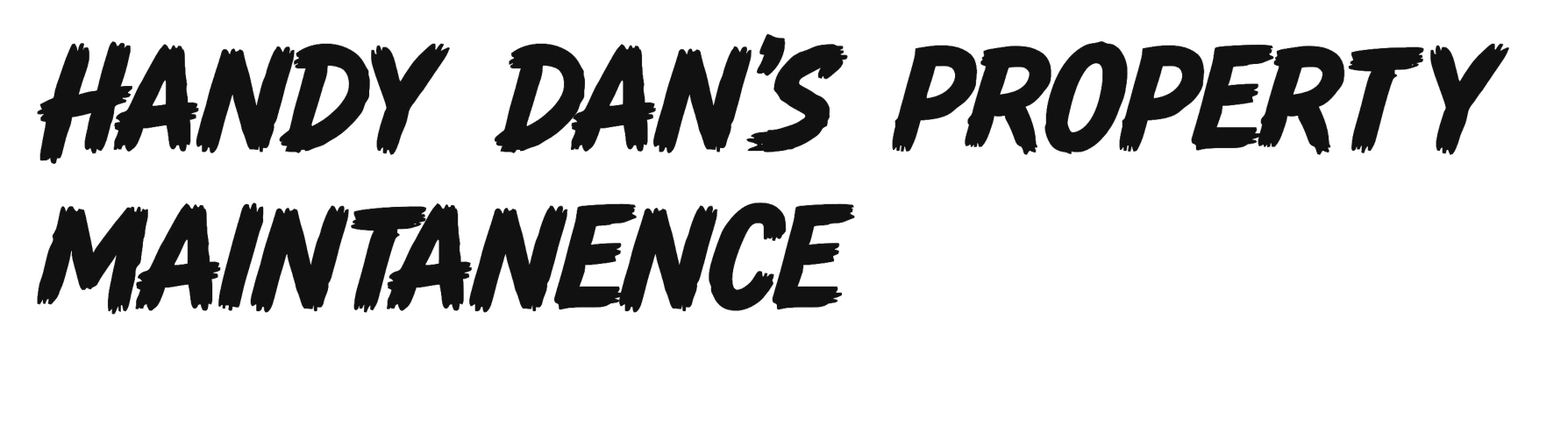 Download Dystopian-Brush-Stroke-Display.ttf |
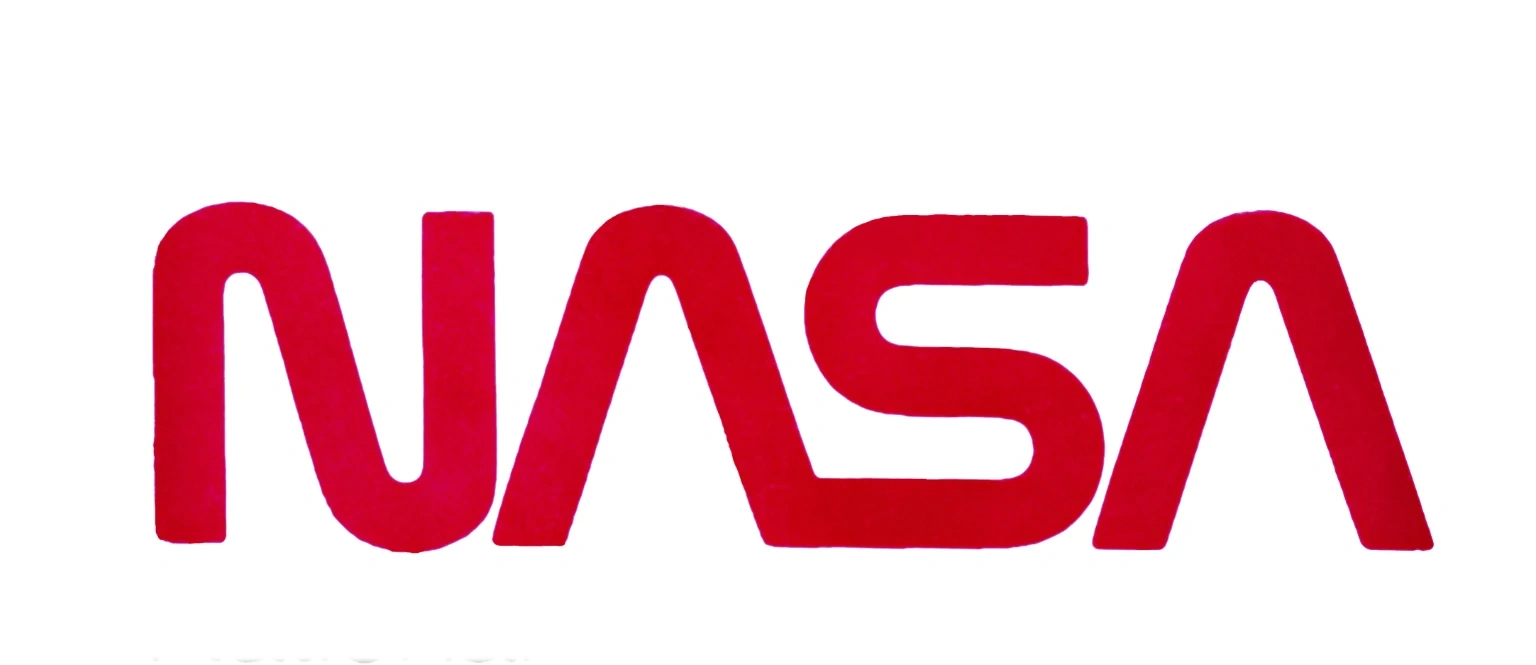
|
 Download Dissonant-Wave-Sans.ttf |
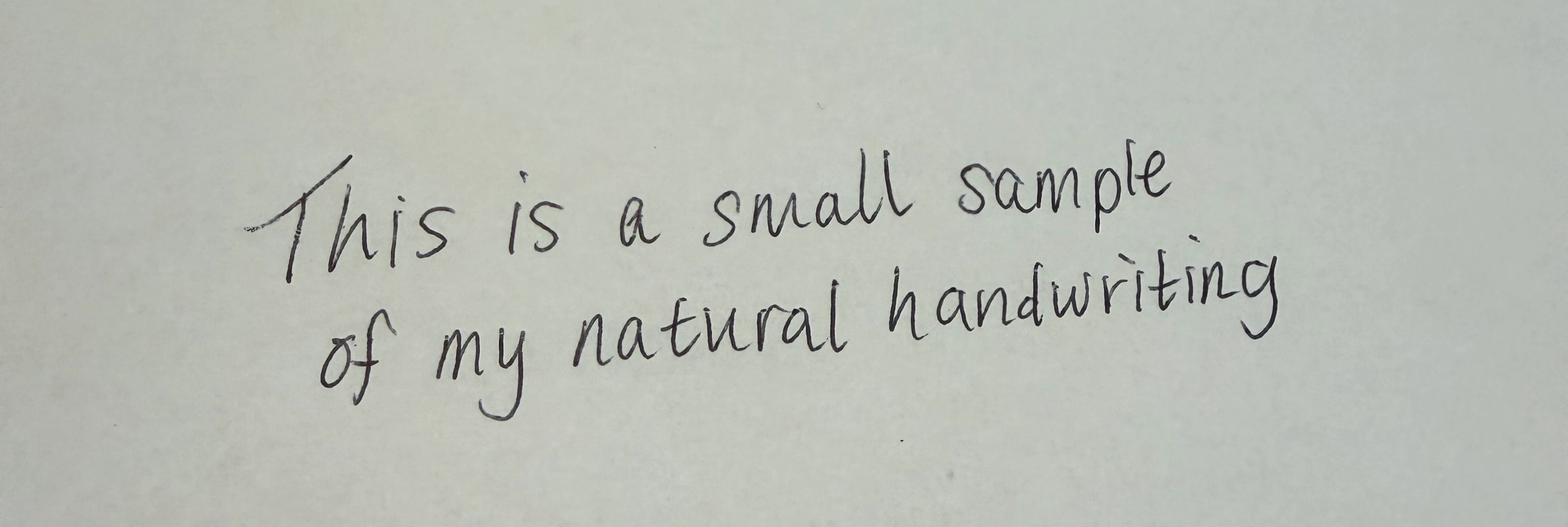
|
 Download Zephyr-Ink-Script.ttf |
Supported platforms
- Python >= 3.9
- Standard CPython environments with network access
How font generation works
Font generation is asynchronous. Start a generation with exactly one input:
prompt: a text description of the font to generate.image_url: a public HTTPS reference image for the style you want the model to follow.
The create call returns a generation id and, when available, a polling URL. Use mixfont.generations.wait(...) for built-in polling, or call mixfont.generations.get(...) yourself until the status reaches succeeded, failed, or cancelled. When a job succeeds, ttf_url contains the generated TTF download URL.
Model inputs and outputs
Use text generation when you can describe the type direction, such as category, style, use case, spacing, contrast, or distinctive details. Use image generation when a visual reference is the clearest source of truth, such as a sketch, sign, logo, poster, screenshot, or existing design mockup.
Reference images should be publicly reachable HTTPS URLs that point to JPEG, PNG, or WebP files up to 20 MB. Clear images with readable letterforms, strong contrast, clean edges, and cropped text regions generally produce better results.
Generated font files are returned as TTFs. Download or persist the returned ttf_url after the job succeeds, then rehost the file in your own storage before using it in production. Returned TTF URLs are temporary and will be deleted within 24 hours.
Create an API key
To start making calls to the API you'll need an API key. If you don't already have a Mixfont account, visit Mixfont and sign in.
Go to the Developer Console to create your first API key. When calling the API, include the key in the x-api-key header for each request.
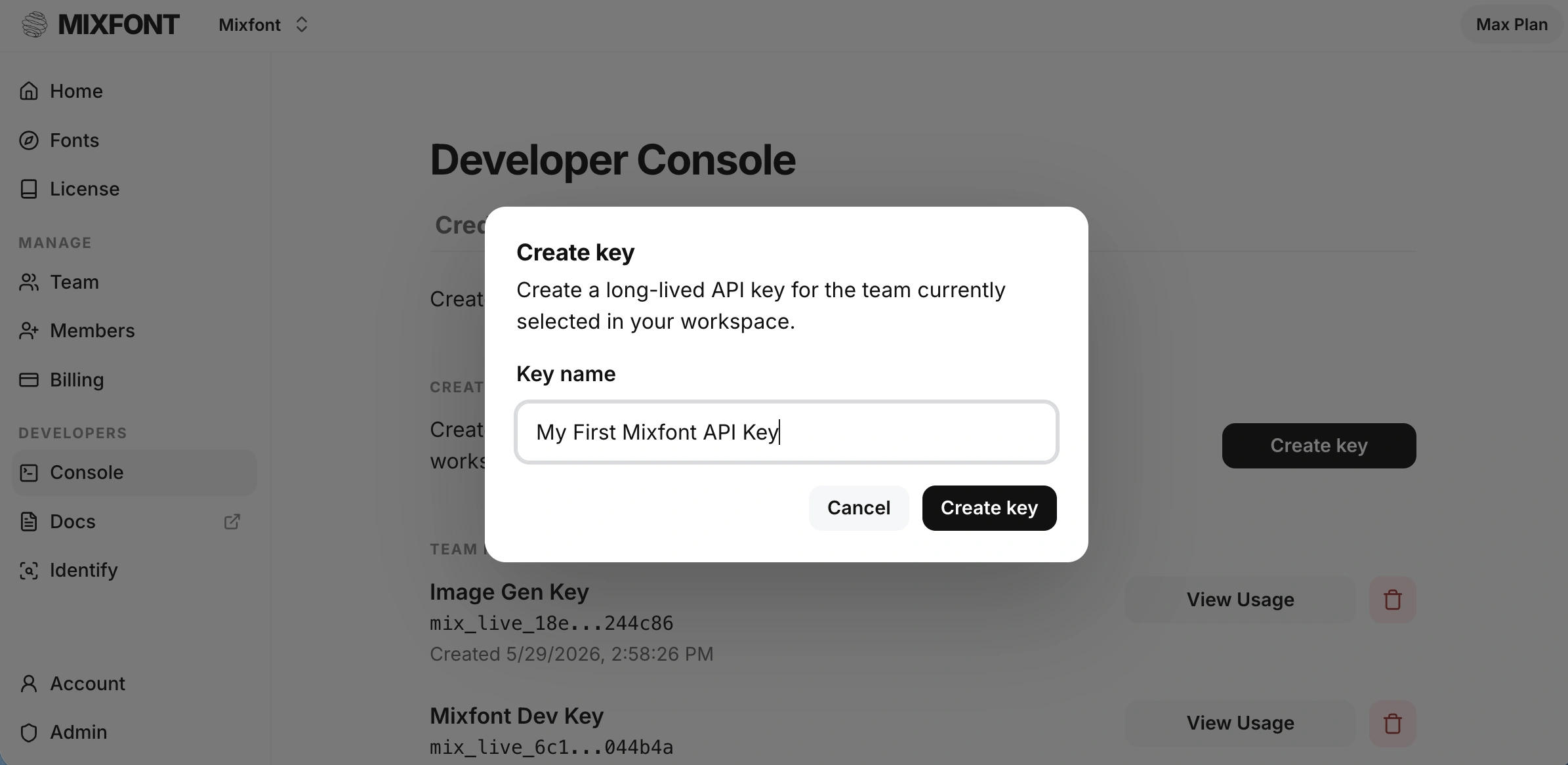
Make sure to copy the API key to a safe place. The API key will only be visible in the dashboard once. If you lose your key, you'll have to create a new one.
Installation
Install it from PyPI:
pip install mixfont
Usage
For the full API documentation, see Mixfont docs.
Import the package:
from mixfont import Mixfont
Instantiate the client:
import os

mixfont = Mixfont(api_key=os.environ["MIXFONT_API_KEY"])
Create a font generation:
generation = mixfont.generations.create(
    prompt="A condensed sci-fi display font",
    glyph_set="standard",
)

print(generation["id"])
Fetch the generation later:
generation = mixfont.generations.get("generation_id")

print(generation["status"], generation["progress_percent"])
Or wait for the generation to finish:
result = mixfont.generations.wait(generation["id"])

print(result["ttf_url"])
Create a generation from a reference image:
generation = mixfont.generations.create(
    image_url="https://example.com/reference.png",
)
API
Constructor
mixfont = Mixfont(api_key, timeout=30.0)
| Argument | Type | Description |
|---|---|---|
api_key |
str |
Required. Mixfont API key. |
timeout |
float |
Optional request timeout in seconds. Defaults to 30.0. |
mixfont.generations.create(...)
Starts a new font generation and returns immediately.
| Argument | Type | Description |
|---|---|---|
prompt |
str |
Text prompt for the generated font. |
image_url |
str |
Public HTTPS URL for a JPEG, PNG, or WebP reference image up to 20 MB. |
glyph_set |
"standard" or "extended" |
Optional glyph set. Defaults to standard. |
Provide exactly one of prompt or image_url.
Glyph sets
| Glyph set | Best for | Glyphs | Typical timing |
|---|---|---|---|
standard |
English concepting, prototypes, headings, and logos | 72 | Around 25 seconds on average |
extended |
Production candidates for Latin-language text beyond English | 319 | 2-3 minutes |
standard includes English letters, numbers, and basic punctuation. extended supports all Latin languages, including special characters, and costs more API credits.
mixfont.generations.get(generation_id)
Fetches the current status of a generation.
mixfont.generations.wait(generation_id, ...)
Checks the generation until it reaches a terminal status.
| Argument | Type | Description |
|---|---|---|
interval_seconds |
float |
Polling interval. Defaults to 5.0. |
timeout_seconds |
float |
Maximum wait time. Defaults to 600.0. |
wait returns the completed generation when it succeeds. It raises an error if
the generation fails, is cancelled, or times out.
Best practices
Write specific prompts that describe the type category, visual style, intended use case, and distinctive details.
Start with standard when comparing directions, then use extended once you have a candidate worth testing more deeply.
Store the generation id, original prompt or image URL, and glyph_set with each result so your team can compare outputs later.
Test generated fonts in real content, including headings, numbers, punctuation, labels, and the longest strings your product needs to support.
Keep your API key on the server and read it from an environment variable such as MIXFONT_API_KEY.
Development
PYTHONPATH=src python3 -m unittest discover -s tests
python3 -m build
Links
1 maintainer

Release files for mixfont 0.1.3
For a detailed explanation of source distributions (sdists) and built distributions (wheels), please see the package formats documentation.
Source distribution (sdist)
| File | Size | Uploaded | |
|---|---|---|---|
| mixfont-0.1.3.tar.gz | 16.2 kB | Details |
Built distribution (wheel)
| File | Interpreter | ABI | Platform | Reset |
|---|---|---|---|---|
| mixfont-0.1.3-py3-none-any.whl | Python 3 | none | any | Details |
Total release size: 28.1 kB
Release files / mixfont-0.1.3.tar.gz
| Download URL | mixfont-0.1.3.tar.gz |
|---|---|
| Size | 16.2 kB |
| Tags | Source |
|
SHA-256 checksum How to use checksums |
a82427e53a7e394ca3cf16666b3e5b6ab4d2eb41836b22880419e3e381f0ecc1
|
|
BLAKE2b-256 checksum How to use checksums |
24dedb25529e14e53af368ee63934ea59b5361e54fcb9d9b6e5b4bd1fc2542d9
|
| Upload date | |
|
Uploaded using Trusted Publishing? What is trusted publishing? |
Yes |
| Uploaded via |
twine/6.1.0 CPython/3.13.12
|
Provenance
Provenance describes where a file came from. On PyPI, provenance is shared via attestations, which provide a verifiable record of the build or publishing details. View details, limitations and caveats.


PyPI Publish Attestation
PyPI verified that this artifact, at this checksum, originated from the publisher listed below.
Signed by GitHub Actions, verified by PyPI on Jun 4, 2026.
Transparency logRelease files / mixfont-0.1.3-py3-none-any.whl
| Download URL | mixfont-0.1.3-py3-none-any.whl |
|---|---|
| Size | 12.0 kB |
| Tags | Python 3 |
|
SHA-256 checksum How to use checksums |
eaaae913ecbd947452d12fe3c4e6e6b9b0182829f2911c6f0dc5fbe1aead0234
|
|
BLAKE2b-256 checksum How to use checksums |
3cfb076550e673da64cd6de40ff851dec68e0a1562c75a74ba08f6f7654abf71
|
| Upload date | |
|
Uploaded using Trusted Publishing? What is trusted publishing? |
Yes |
| Uploaded via |
twine/6.1.0 CPython/3.13.12
|
Provenance
Provenance describes where a file came from. On PyPI, provenance is shared via attestations, which provide a verifiable record of the build or publishing details. View details, limitations and caveats.
PyPI Publish Attestation
PyPI verified that this artifact, at this checksum, originated from the publisher listed below.
Signed by GitHub Actions, verified by PyPI on Jun 4, 2026.
Transparency log













