
A tensor-native, inference-focused fork of Supervision

Project description

Supervision, except the numbers have finally been informed that GPUs exist.
SuperiorVision is Roboflow's tensor-native, inference-focused fork of
Supervision. It preserves the
import supervision as sv API used by
Roboflow Inference, while keeping
rectangular numeric state in torch.Tensor objects throughout the supported
code paths.
If detections begin as tensors, converting them to NumPy so the next operation can turn them back into tensors is not "compatibility." It is cardio. SuperiorVision declines the workout.










Same API. Fewer NumPy vacations.
For the external multi-object trackers used by Inference, pair SuperiorVision
with the private Tracktors fork. The
dependency points one way—Tracktors consumes tensor-native sv.Detections—so
SuperiorVision keeps its existing sv.ByteTrack compatibility API without a
circular package dependency.
📑 Table of Contents
👋 Hello
We are your essential toolkit for computer vision. From data loading to real-time zone counting, we provide the building blocks so you can focus on building applications around your models. 🤝
💻 Install
Pip install the supervision package in a Python>=3.10 environment.
git clone git@github.com:roboflow/superiorvision.git
cd superiorvision
pip install -e .
Both imports are supported:
import supervision as sv       # existing Inference code
import superiorvision as sv    # cheekier spelling, same API
Because SuperiorVision provides the supervision namespace, install it as a
replacement for upstream Supervision, not beside it. Two packages cannot both
own the same trench coat and pretend everything is fine.
The upstream documentation below remains useful for the compatible API surface.
🔥 Quickstart
Models
Supervision was designed to be model agnostic. Just plug in any classification, detection, or segmentation model. For your convenience, we have created connectors for the most popular libraries like Ultralytics, Transformers, MMDetection, or Inference. Other integrations, like rfdetr, already return sv.Detections directly.
Install the optional dependencies for this example with pip install pillow rfdetr.
import supervision as sv
from PIL import Image
from rfdetr import RFDETRSmall

image = Image.open("path/to/image.jpg")
model = RFDETRSmall()
detections = model.predict(image, threshold=0.5)

len(detections)
# 5
👉 more model connectors
-
inference
Running with Inference requires a Roboflow API KEY.
import supervision as sv
from PIL import Image
from inference import get_model

image = Image.open("path/to/image.jpg")
model = get_model(model_id="rfdetr-small", api_key="ROBOFLOW_API_KEY")
result = model.infer(image)[0]
detections = sv.Detections.from_inference(result)

len(detections)
# 5
Annotators
Supervision offers a wide range of highly customizable annotators, allowing you to compose the perfect visualization for your use case.
import cv2
import supervision as sv

image = cv2.imread("path/to/image.jpg")
# Assuming detections are obtained from a model
detections = sv.Detections(...)

box_annotator = sv.BoxAnnotator()
annotated_frame = box_annotator.annotate(scene=image.copy(), detections=detections)
https://github.com/roboflow/supervision/assets/26109316/691e219c-0565-4403-9218-ab5644f39bce
Datasets
Supervision provides a set of utils that allow you to load, split, merge, and save datasets in one of the supported formats.
import supervision as sv
from roboflow import Roboflow

project = Roboflow().workspace("WORKSPACE_ID").project("PROJECT_ID")
dataset = project.version("PROJECT_VERSION").download("coco")

ds = sv.DetectionDataset.from_coco(
    images_directory_path=f"{dataset.location}/train",
    annotations_path=f"{dataset.location}/train/_annotations.coco.json",
)

path, image, annotation = ds[0]
# loads image on demand

for path, image, annotation in ds:
    # loads image on demand
    pass
👉 more dataset utils
-
load
dataset = sv.DetectionDataset.from_yolo(
    images_directory_path=...,
    annotations_directory_path=...,
    data_yaml_path=...,
)

dataset = sv.DetectionDataset.from_pascal_voc(
    images_directory_path=...,
    annotations_directory_path=...,
)

dataset = sv.DetectionDataset.from_coco(
    images_directory_path=...,
    annotations_path=...,
)
-
split
train_dataset, test_dataset = dataset.split(split_ratio=0.7)
test_dataset, valid_dataset = test_dataset.split(split_ratio=0.5)

len(train_dataset), len(test_dataset), len(valid_dataset)
# (700, 150, 150)
-
merge
ds_1 = sv.DetectionDataset(...)
len(ds_1)
# 100
ds_1.classes
# ['dog', 'person']

ds_2 = sv.DetectionDataset(...)
len(ds_2)
# 200
ds_2.classes
# ['cat']

ds_merged = sv.DetectionDataset.merge([ds_1, ds_2])
len(ds_merged)
# 300
ds_merged.classes
# ['cat', 'dog', 'person']
-
save
dataset.as_yolo(
    images_directory_path=...,
    annotations_directory_path=...,
    data_yaml_path=...,
)

dataset.as_pascal_voc(
    images_directory_path=...,
    annotations_directory_path=...,
)

dataset.as_coco(
    images_directory_path=...,
    annotations_path=...,
)
-
convert
sv.DetectionDataset.from_yolo(
    images_directory_path=...,
    annotations_directory_path=...,
    data_yaml_path=...,
).as_pascal_voc(
    images_directory_path=...,
    annotations_directory_path=...,
)
🎬 Tutorials
Want to learn how to use Supervision? Explore our how-to guides, end-to-end examples, cheatsheet, and cookbooks!
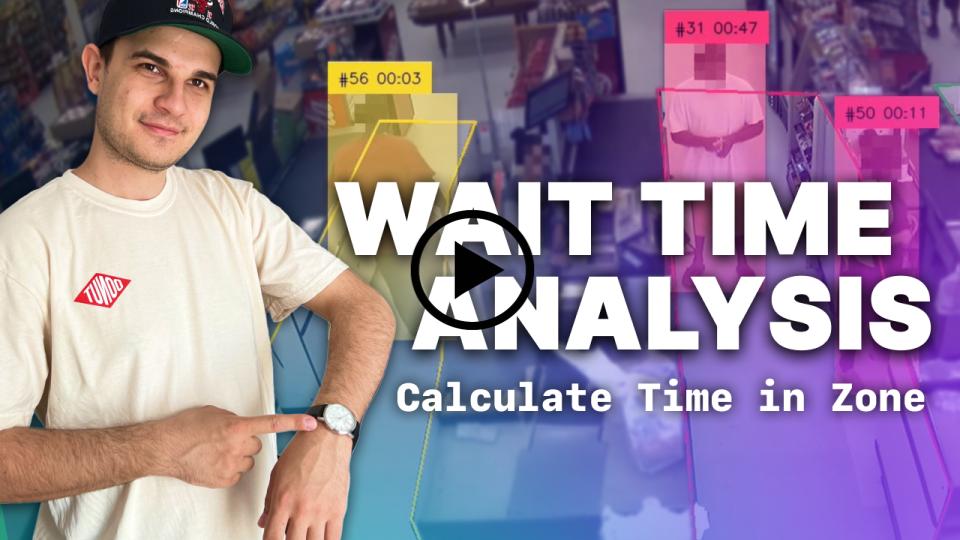
Learn how to use computer vision to analyze wait times and optimize processes. This tutorial covers object detection, tracking, and calculating time spent in designated zones. Use these techniques to improve customer experience in retail, traffic management, or other scenarios.
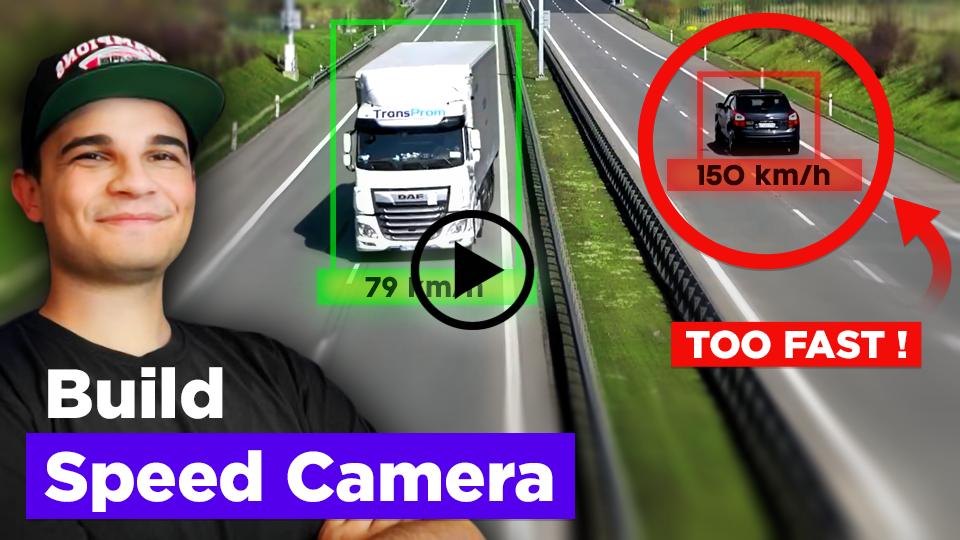
Learn how to track and estimate the speed of vehicles using YOLO, ByteTrack, and Roboflow Inference. This comprehensive tutorial covers object detection, multi-object tracking, filtering detections, perspective transformation, speed estimation, visualization improvements, and more.
💜 Built with Supervision
Did you build something cool using supervision? Let us know!
https://github.com/roboflow/supervision/assets/26109316/c9436828-9fbf-4c25-ae8c-60e9c81b3900
https://github.com/roboflow/supervision/assets/26109316/3ac6982f-4943-4108-9b7f-51787ef1a69f
📚 Documentation
Visit our documentation page to learn how supervision can help you build computer vision applications faster and more reliably.
🏆 Contribution
We love your input! Please see our contributing guide to get started. Thank you 🙏 to all our contributors!







Release history Release notifications | RSS feed


Download files
Download the file for your platform. If you're not sure which to choose, learn more about installing packages.
Source Distribution
Built Distribution
Filter files by name, interpreter, ABI, and platform.
If you're not sure about the file name format, learn more about wheel file names.
Copy a direct link to the current filters
File details
Details for the file superiorvision-0.30.0.dev0.tar.gz.
File metadata
- Download URL: superiorvision-0.30.0.dev0.tar.gz
- Upload date:
- Size: 333.1 kB
- Tags: Source
- Uploaded using Trusted Publishing? No
- Uploaded via: twine/6.2.0 CPython/3.11.10
File hashes
| Algorithm | Hash digest | |
|---|---|---|
| SHA256 |
b91a339579f458bbef52e8ddc2a939b58102f75f2ff0e43bc1ce9843b28b0d20
|
|
| MD5 |
190cfc54359c27e445c40829c8801286
|
|
| BLAKE2b-256 |
a597ac663f232d6f56bce23d07068414bd3a19e0658589de0a4dc617d8e8a581
|
File details
Details for the file superiorvision-0.30.0.dev0-py3-none-any.whl.
File metadata
- Download URL: superiorvision-0.30.0.dev0-py3-none-any.whl
- Upload date:
- Size: 367.0 kB
- Tags: Python 3
- Uploaded using Trusted Publishing? No
- Uploaded via: twine/6.2.0 CPython/3.11.10
File hashes
| Algorithm | Hash digest | |
|---|---|---|
| SHA256 |
8c0b2388d2a8735e0c4ab001b931f8fa6b0369fd962929f507303439fec8cda8
|
|
| MD5 |
cc773bccab8ac37b69701cf9f8ea55be
|
|
| BLAKE2b-256 |
e29443fbf18ee824b76d3716420ec864f46a26d1a27a2e3d838caa0269a05c52
|






