
Minimal Matplotlib visualizations for TensorKrowch, TensorNetwork, Quimb, TeNPy, and traced PyTorch/NumPy einsum tensor networks.

Project description

Tensor-Network-Visualization




Minimal Matplotlib visualizations for TensorKrowch, TensorNetwork, Quimb, TeNPy, and traced
PyTorch/NumPy einsum tensor networks.
Gallery
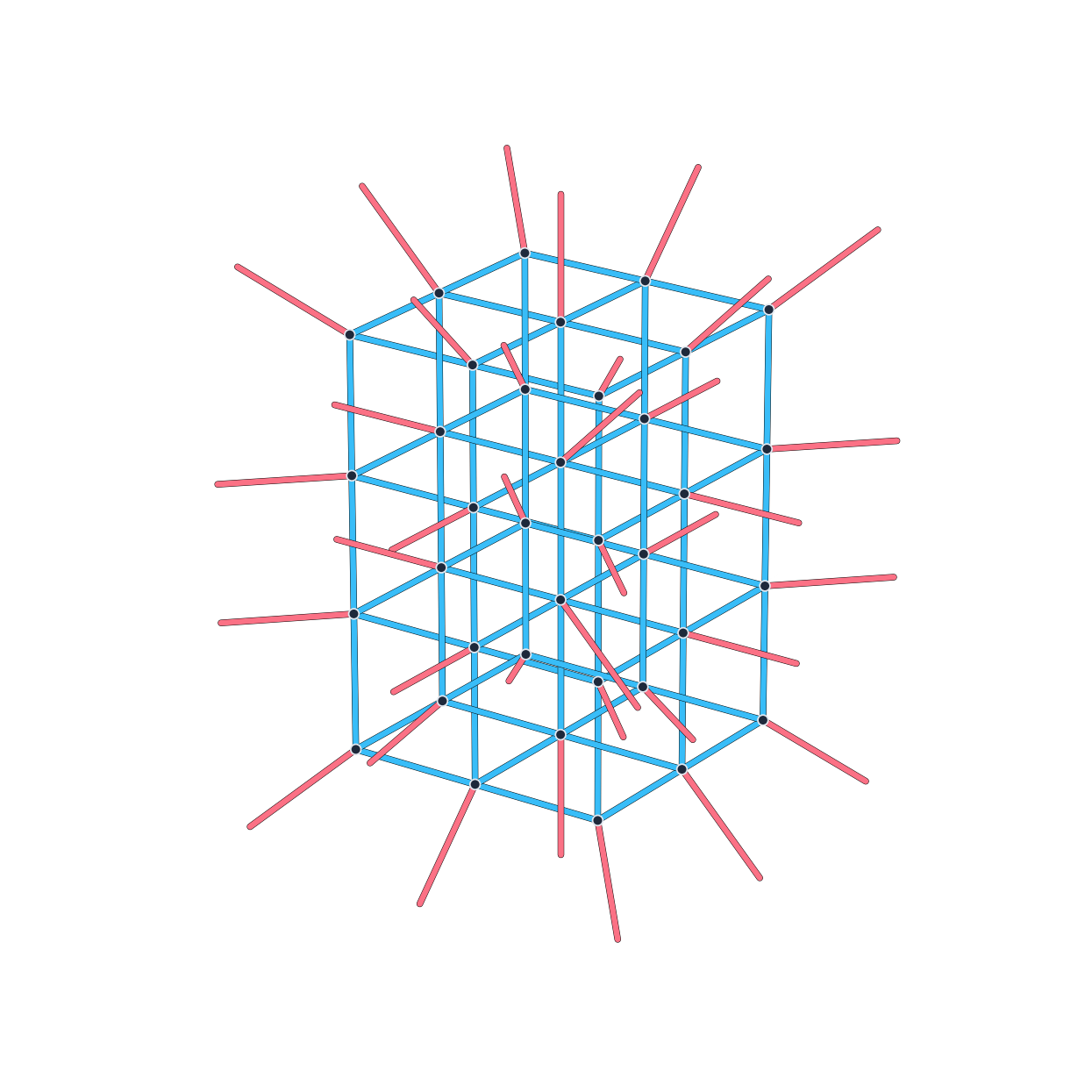
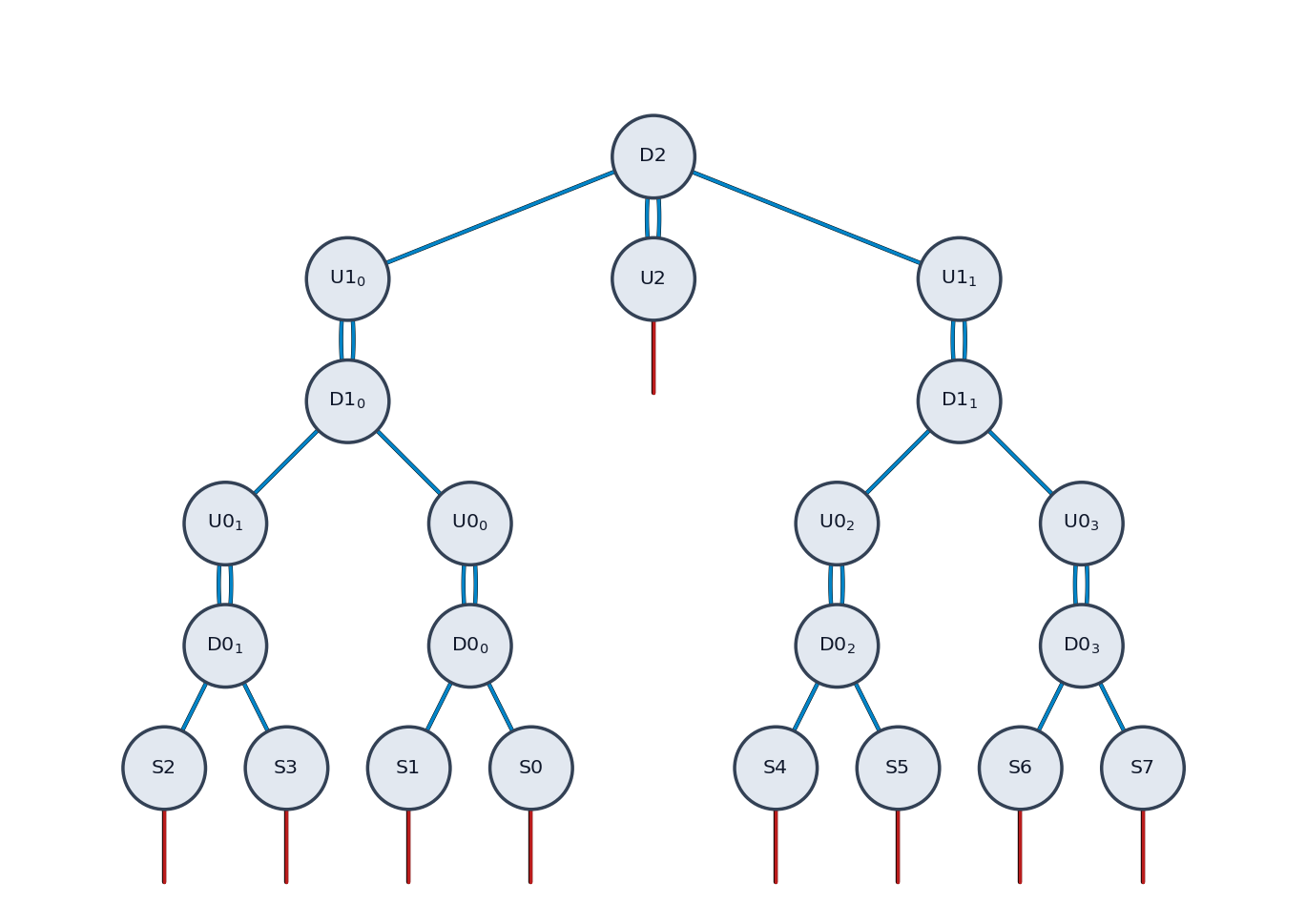
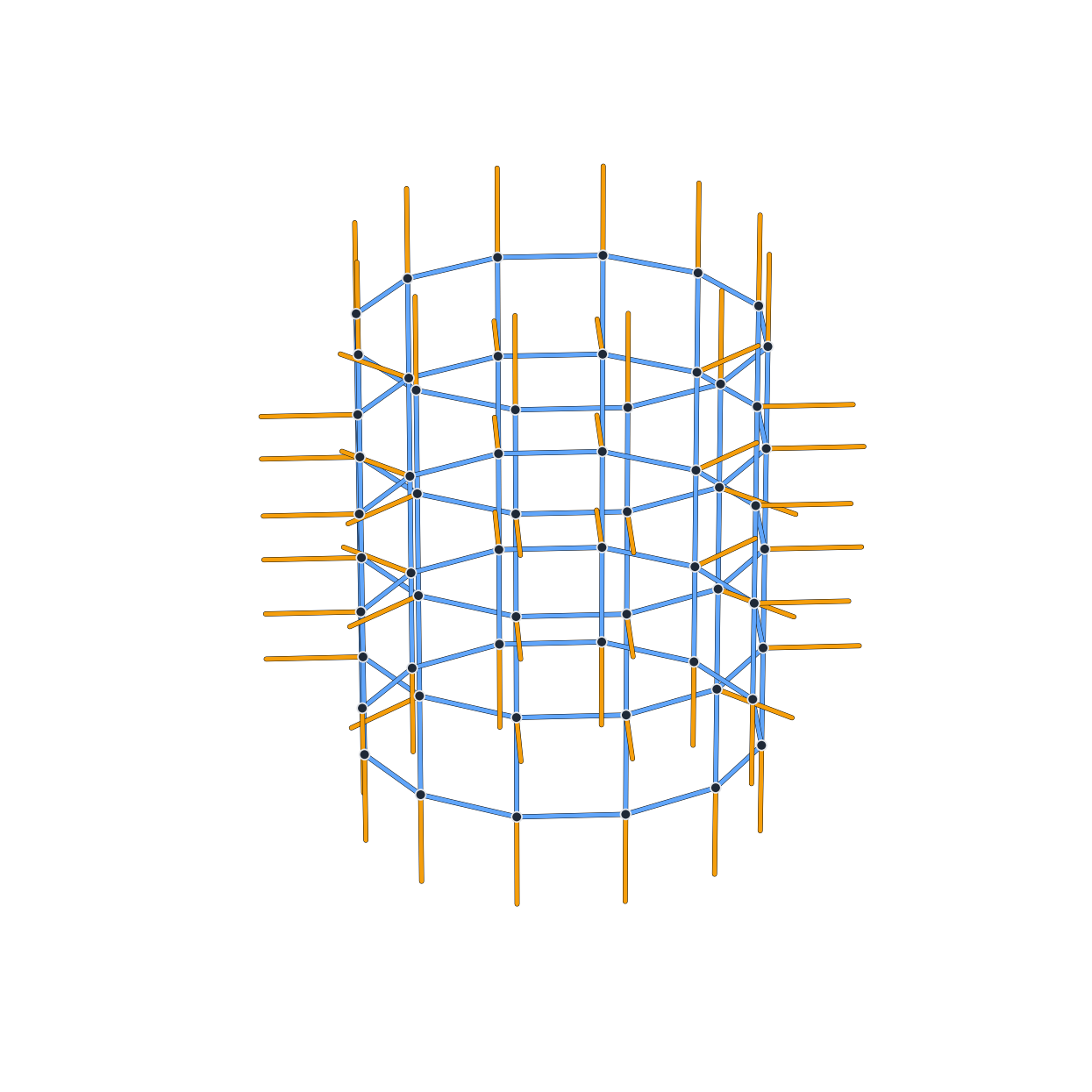
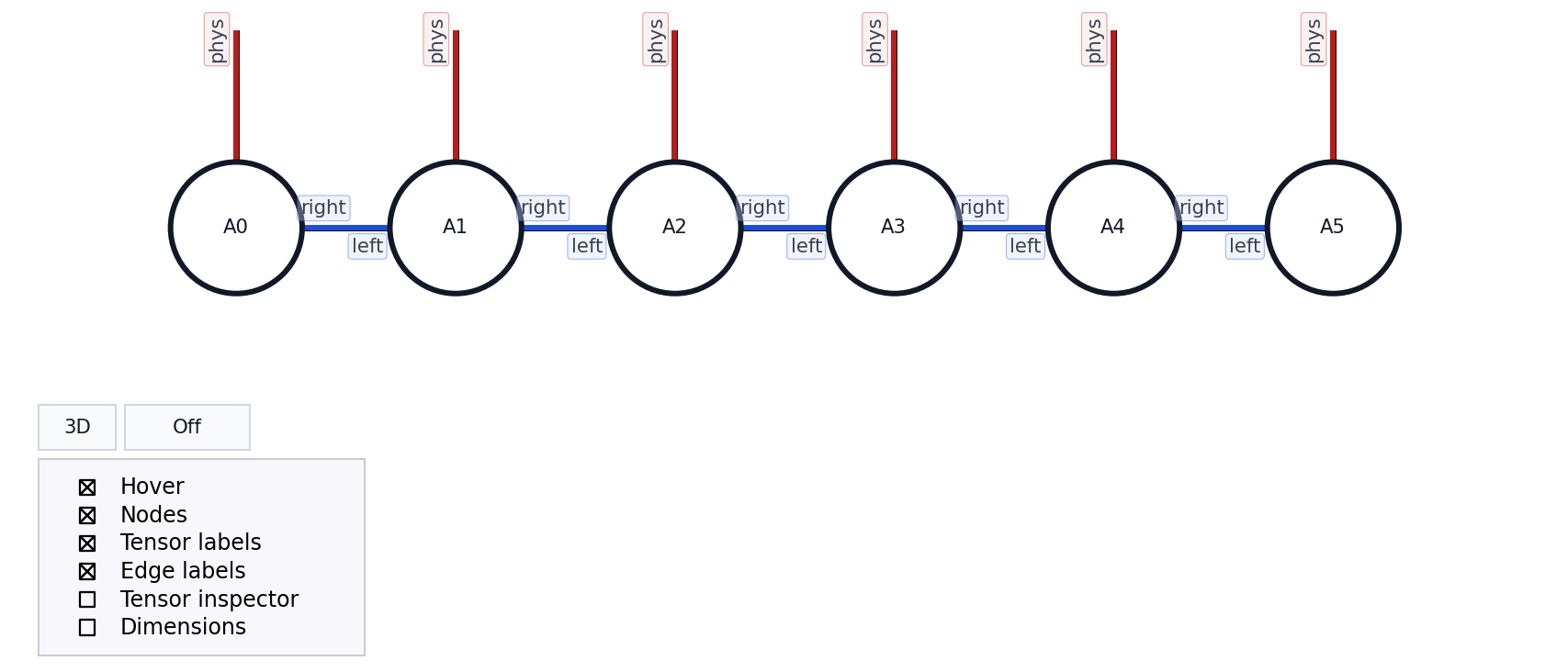
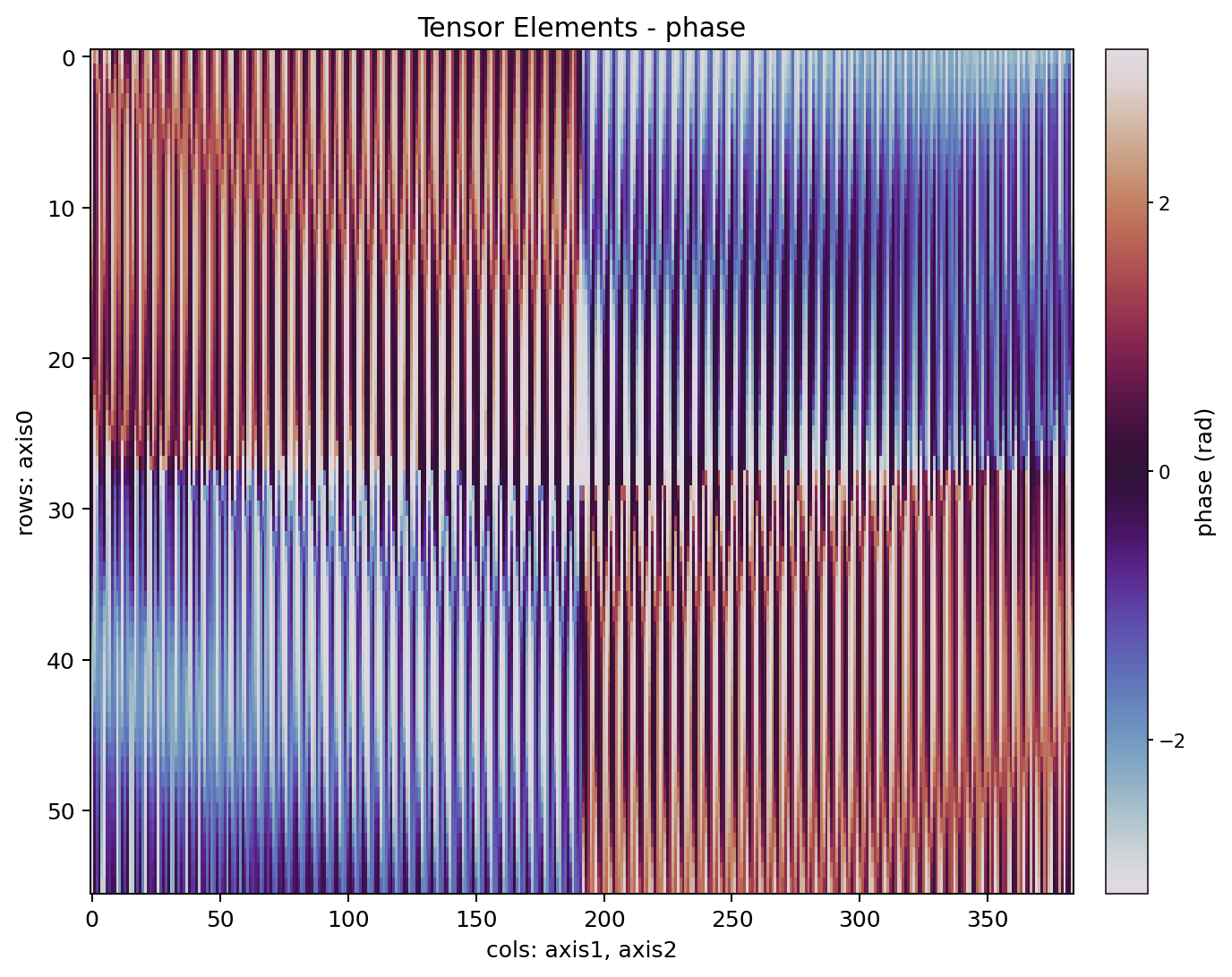
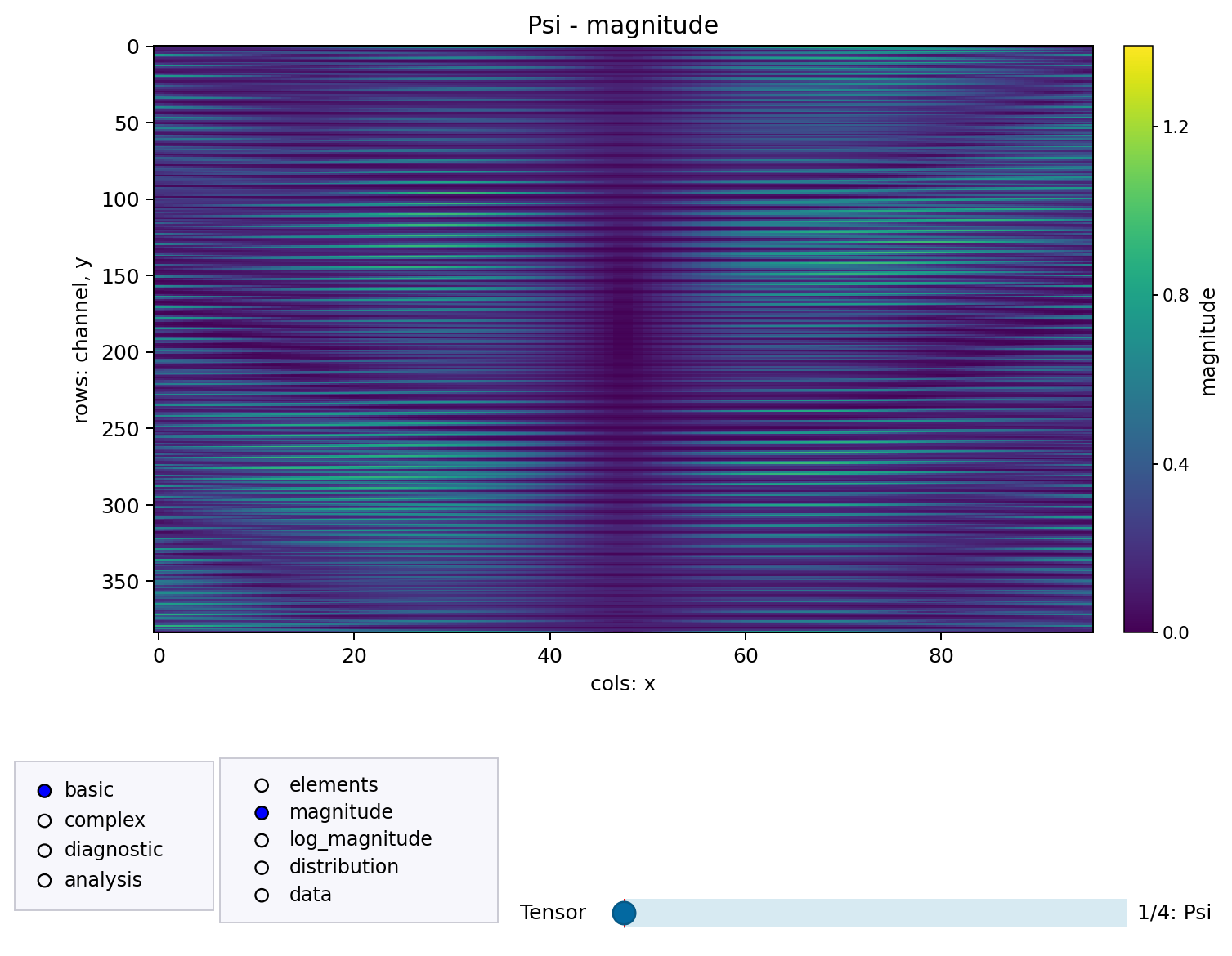
These are exports generated with the library and the repository demos. The clean renders use transparent PNGs; the controls example keeps its background so the menu stays readable.
Why This Exists
Tensor-network libraries expose different Python objects. This package gives them a small shared visualization API so you can inspect structure, tensor values, contraction playback, and normalized graph exports without rewriting plotting code for every backend.
The common entry points are:
show_tensor_network(...)
show_tensor_elements(...)
show_tensor_comparison(...)
normalize_tensor_network(...)
export_tensor_network_snapshot(...)
Install
- PyPI package name:
tensor-network-visualization - Import package:
tensor_network_viz - Requires Python 3.11 or newer.
python -m pip install tensor-network-visualization
The base install only depends on numpy, matplotlib, and networkx.
For interactive Jupyter figures:
python -m pip install "tensor-network-visualization[jupyter]"
For backend-specific packages, install the matching extra, for example:
python -m pip install "tensor-network-visualization[quimb]"
See docs/installation.md for virtual environments, all optional extras, and local development installs.
Basic Usage
NumPy einsum trace (base install)
This example uses only base dependencies and a NumPy-backed EinsumTrace.
import numpy as np
from tensor_network_viz import EinsumTrace, PlotConfig, einsum, show_tensor_network

trace = EinsumTrace()
a = np.ones((2, 3), dtype=float)
x = np.array([1.0, -0.5, 0.25], dtype=float)

trace.bind("A", a)
trace.bind("x", x)
einsum("ab,b->a", a, x, trace=trace, backend="numpy")

fig, ax = show_tensor_network(
    trace,
    config=PlotConfig(show_tensor_labels=True, hover_labels=True),
    show=False,
)
fig.savefig("einsum-network.png", bbox_inches="tight")
TensorKrowch
Install the TensorKrowch extra (see Installation for details):
python -m pip install "tensor-network-visualization[tensorkrowch]"
import tensorkrowch as tk
from tensor_network_viz import PlotConfig, show_tensor_network

network = tk.TensorNetwork(name="demo")
left = tk.Node(shape=(2, 2), axes_names=("a", "b"), name="L", network=network)
right = tk.Node(shape=(2, 2), axes_names=("b", "c"), name="R", network=network)
left["b"] ^ right["b"]

fig, ax = show_tensor_network(
    network,
    config=PlotConfig(show_tensor_labels=True, show_index_labels=False),
    show=False,
)
fig.savefig("tensorkrowch-network.png", bbox_inches="tight")
Use show=False when you want to save or customize the figure yourself. Use
show_controls=False when you want a clean static figure with no embedded Matplotlib controls.
In a notebook, use this exact recipe:
%pip install "tensor-network-visualization[jupyter]"
If you just installed that extra in the current kernel, restart the kernel once. Then, in the first plotting cell:
%matplotlib widget

from tensor_network_viz import PlotConfig, show_tensor_network

fig, ax = show_tensor_network(
    network,
    config=PlotConfig(show_tensor_labels=True, hover_labels=True),
)
See Installation and User Guide for details.
Documentation
- Installation: virtual environments, optional extras, Jupyter, and local editable installs.
- API Reference: public functions, configuration objects, snapshots, exceptions, and logging.
- User Guide: workflows, notebooks, exports, layouts, tensor inspection, comparisons, snapshots, and performance tips.
- Layout Algorithms: node placement and free-edge direction rules in 2D and 3D.
- Backend Examples: copy-paste examples for TensorKrowch, TensorNetwork, Quimb,
TeNPy, and
einsum. - Troubleshooting: common install, Jupyter, Matplotlib, backend, and data issues.
- Repository Examples: command-line demo launcher and example catalog.
- Demo Commands: copy-paste commands for every repository demo.
Demo Gallery
The repository examples are organized around the same launcher:
python examples/run_demo.py <group> <demo>
The gallery includes backend demos for TensorKrowch, TensorNetwork, Quimb, TeNPy, and einsum,
plus three focused groups:
themes overview: compares thePlotConfigvisual presets for tensor-network figures.themes tensor_elements: compares theTensorElementsConfigpresets forshow_tensor_elements(...)and the linked tensor inspector.placements: shows object, list, 2D grid, 3D grid, manual positions, manual schemes, and named index inputs.geometry: renders larger irregular, incomplete, triangular, pyramidal, circular, and disconnected networks.
For batch checks, use:
python examples/run_all_examples.py --group engines --views 2d --list
python examples/run_all_examples.py --group all --views 2d --output-dir .tmp/examples
Project Links
Release history Release notifications | RSS feed


Download files
Download the file for your platform. If you're not sure which to choose, learn more about installing packages.
Source Distribution
Built Distribution
Filter files by name, interpreter, ABI, and platform.
If you're not sure about the file name format, learn more about wheel file names.
Copy a direct link to the current filters
File details
Details for the file tensor_network_visualization-2.0.1.tar.gz.
File metadata
- Download URL: tensor_network_visualization-2.0.1.tar.gz
- Upload date:
- Size: 336.6 kB
- Tags: Source
- Uploaded using Trusted Publishing? No
- Uploaded via: twine/6.2.0 CPython/3.12.7
File hashes
| Algorithm | Hash digest | |
|---|---|---|
| SHA256 |
d07953c4fafbd1b185950ba3206838ba333c19de4b6d04d21b2641d0cf08066e
|
|
| MD5 |
73e2ca4cef7c02f79b4b99ea831acbb3
|
|
| BLAKE2b-256 |
ca141eb1b7f63525413cde691ef2a931dcab47032ae871fdf1269d330cd4b7b8
|
File details
Details for the file tensor_network_visualization-2.0.1-py3-none-any.whl.
File metadata
- Download URL: tensor_network_visualization-2.0.1-py3-none-any.whl
- Upload date:
- Size: 271.7 kB
- Tags: Python 3
- Uploaded using Trusted Publishing? No
- Uploaded via: twine/6.2.0 CPython/3.12.7
File hashes
| Algorithm | Hash digest | |
|---|---|---|
| SHA256 |
e5f929e30d6755b1f8b6dcb58237b9a6813ba12c2a1ca668cf8a1d766ecda1b2
|
|
| MD5 |
1aab0ddde0c7ff27010d61ca12469897
|
|
| BLAKE2b-256 |
40b48b5bc73123b28b926d2fe65d0dbace1119568eee786093e6e5baf40e1aae
|






