
Fiject
Object-oriented, two-stage PDF figure generators in Python.
Gives an answer to "How can I change the look of a figure without re-computing its data?" which isn't possible in
matplotlib nor seaborn.
pip install fiject
Features
- Two-stage figure generation:
- Addition stage: Incrementally add data to figure objects, rather than needing to do it all at once along with visual parameters. Data caching allows skipping this step when a figure needs to be reformatted but not recomputed.
- Commit stage: Format the data stored in a figure object, with a simple interface that hides the complexities of
matplotlibandseaborn.
- Supported figure types:
LineGraph: points connected by lines.Bars: bar plot on a categorical axis.MultiHistogram: one or more histograms on the same numerical axis. Can also be committed to box plots.ScatterPlot: unconnected points.Table: LaTeX tables with hierarchical rows and hierarchical columns, column stylisation (e.g. rounding, min/max bolding, ...) and borders where you need them.
Example
Let's say you have a machine learning project where a classifier called model is trained and then evaluated on precision (Pr),
recall (Re) and F1 score, for 5 different values of a hyperparameter h. You would do your experiments as follows:
from fiject import LineGraph, CacheMode

g = LineGraph("project-results", caching=CacheMode.IF_MISSING)
if g.needs_computation:
    h_values = [0.1, 0.25, 0.5, 0.7, 1.0]
    for h in h_values:
        # ...
        # model.trainModel(h)  # Takes hours to compute. We don't want to repeat it just to reformat the graph!
        # pr, re, f1 = model.evaluateYourModel()
        # ...
        g.add("Pr",    h, pr)
        g.add("Re",    h, re)
        g.add("$F_1$", h, f1)

g.commit(aspect_ratio=(4,3), y_lims=(0, 100), x_tickspacing=0.1, y_tickspacing=10,
         x_label="Hyperparameter value", y_label="Binary classification performance [\\%]")
A PDF project-results_0.pdf will appear, and the data will be cached in a file project-results_0.json.
Notice that the CacheMode along with the check if g.needs_computation will ensure that you don't
have to redo your computation if you don't like the way your figure came out the first time. You can
just change the parameters to g.commit() and re-run the same code to get a new PDF project-results_1.pdf
instantly.
Troubleshooting the installation
If, on a commit, you get an error that includes the text This is pdfTeX and under it something along the lines of
! LaTeX Error: File `type1cm.sty' not found.
you are likely on Linux Ubuntu and want to run
sudo apt install dvipng texlive-latex-extra texlive-fonts-recommended cm-super
taken from this thread.
Credit
This package was developed over the span of multiple years (2021-2023) and across multiple research papers at university. If you produce figures for your own reports with this package, please be a kind human and acknowledge my work by crediting this repository in a footnote. For example, in LaTeX:
\footnote{All figures were made using Fiject (\url{https://github.com/bauwenst/fiject}),
          a Python package by ir.\ Thomas Bauwens.}
Showcase
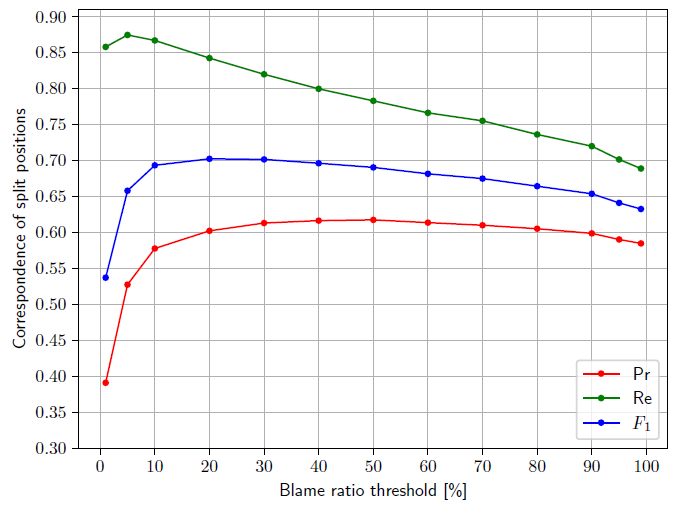
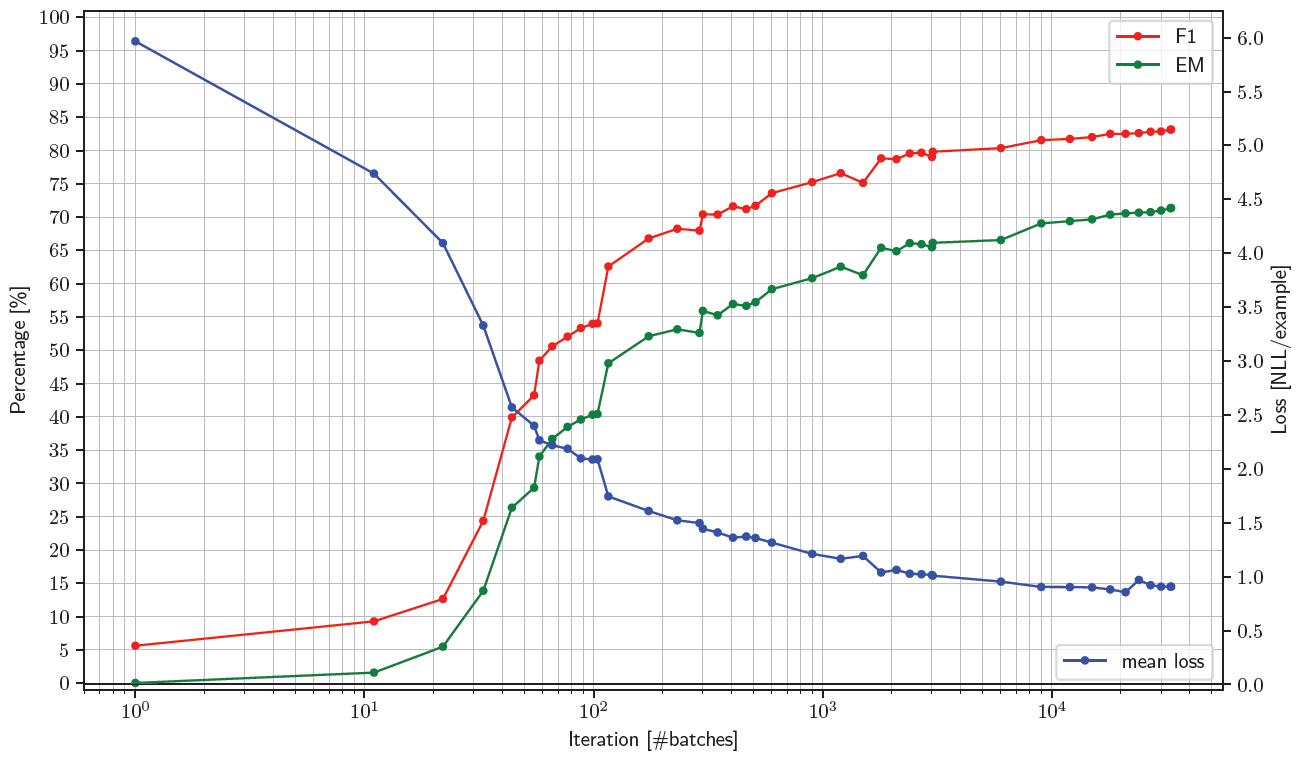
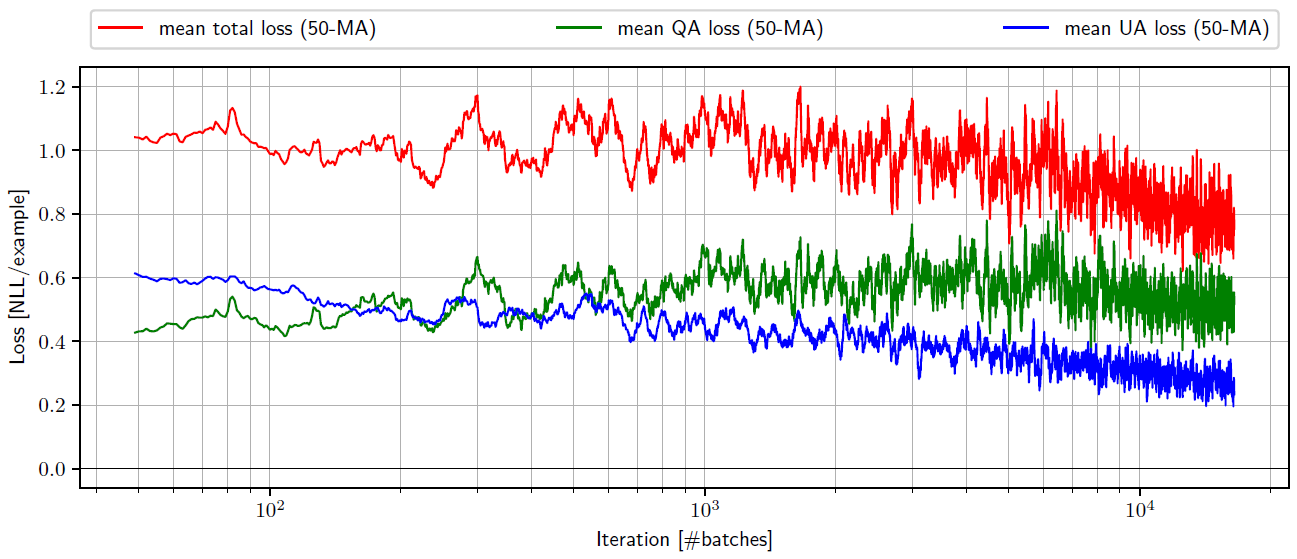
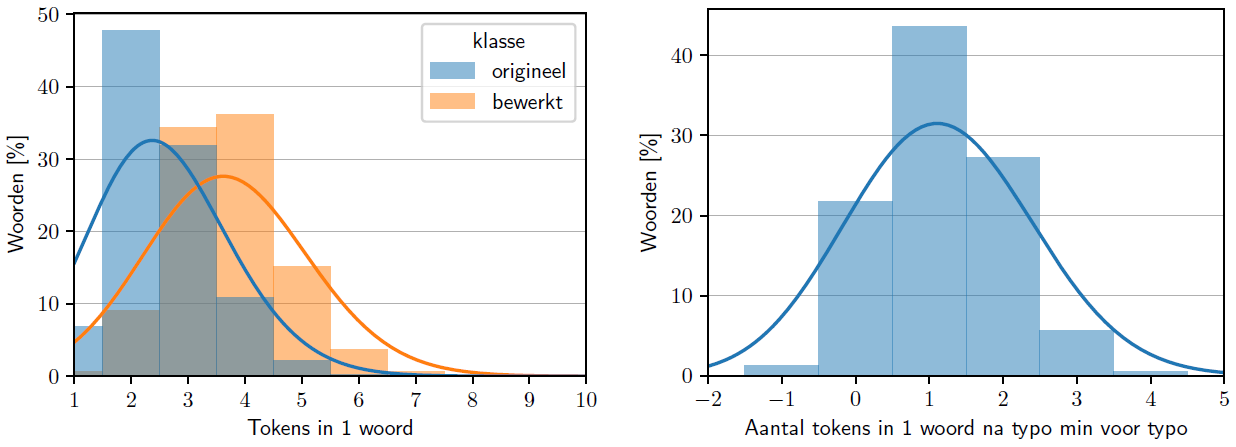
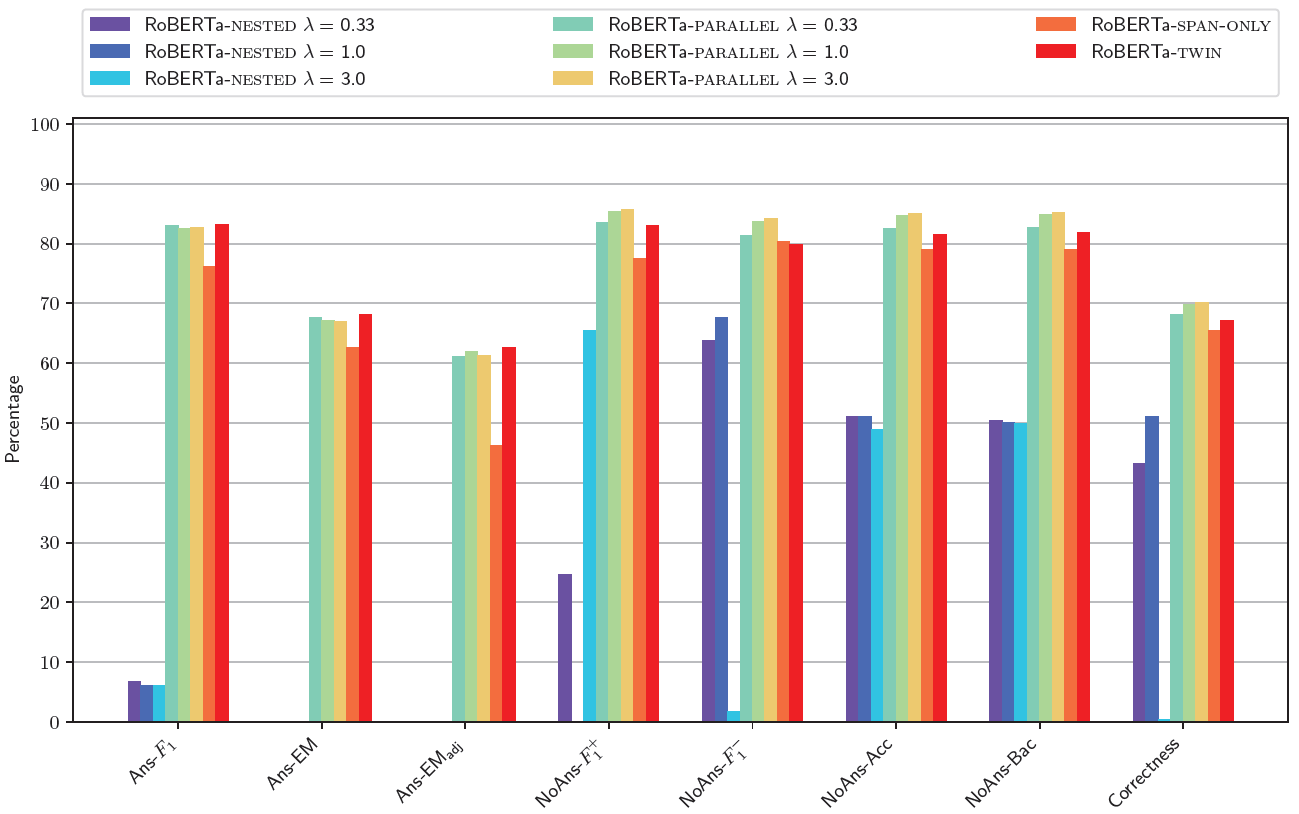
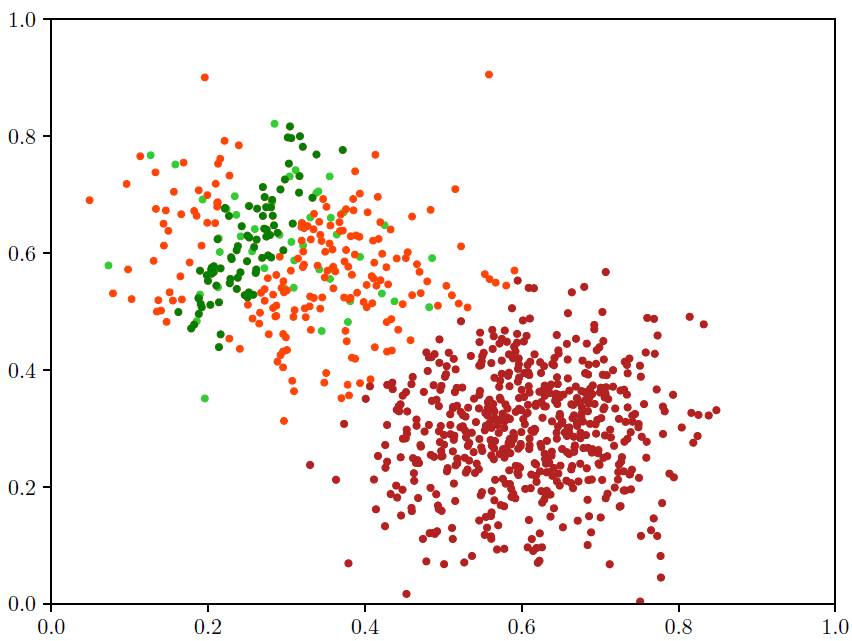
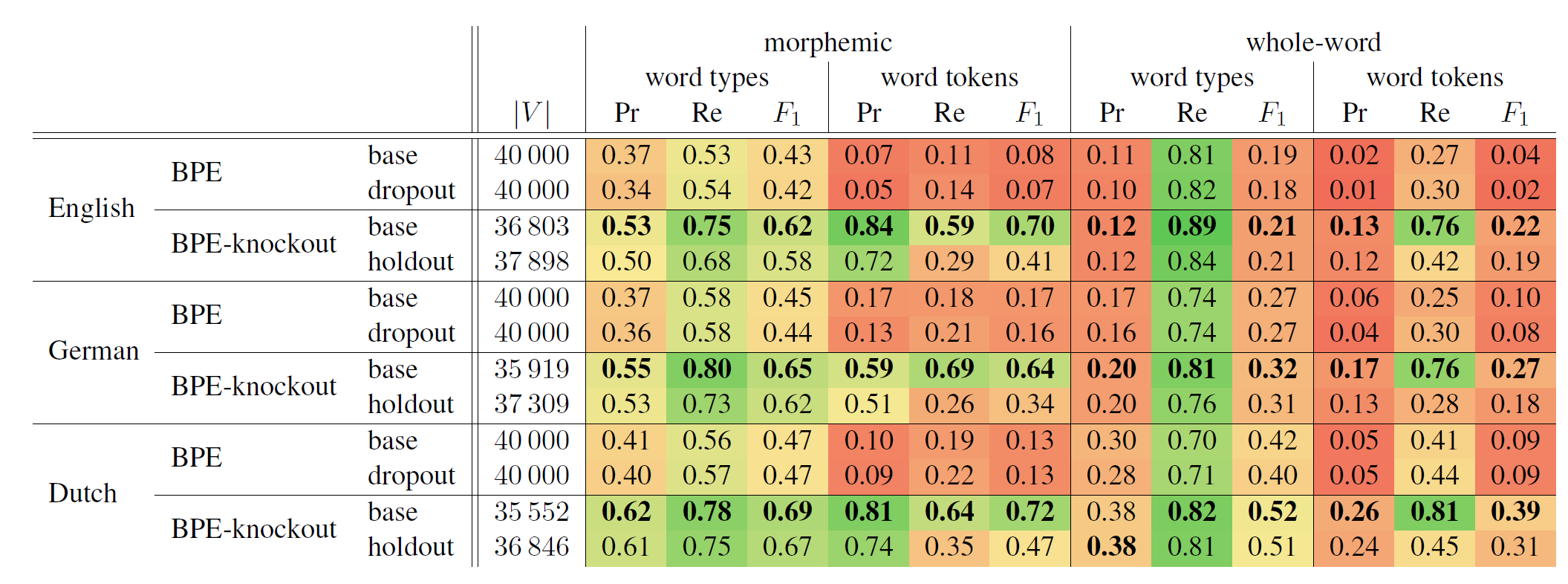
A collage of all the figures I have drawn with this code across many university projects.
The point is not how these figures look visually; you can produce equivalent plots with matplotlib and seaborn.
The point is rather that the computation required to get the data in these graphs was extensive, and hence tweaking
the visual parameters of these graphs would be equally expensive in matplotlib and seaborn. Also note how the graphs
originate from a variety of applications, showing that fiject comes in handy for many different domains.
Line graphs
Histograms
Bar plots
Scatterplots
Tables
1 maintainer

Metadata
1 maintainer
Release files for fiject 2026.3.1
For a detailed explanation of source distributions (sdists) and built distributions (wheels), please see the package formats documentation.
Source distribution (sdist)
| File | Size | Uploaded | |
|---|---|---|---|
| fiject-2026.3.1.tar.gz | 55.6 kB | Details |
Built distribution (wheel)
| File | Interpreter | ABI | Platform | Reset |
|---|---|---|---|---|
| fiject-2026.3.1-py3-none-any.whl | Python 3 | none | any | Details |
Total release size: 113.6 kB
Release files / fiject-2026.3.1.tar.gz
| Download URL | fiject-2026.3.1.tar.gz |
|---|---|
| Size | 55.6 kB |
| Tags | Source |
|
SHA-256 checksum How to use checksums |
763d0890fd073fde29824d44a25e7b82686eafadf9afaeb74d3dd20c231ab716
|
|
BLAKE2b-256 checksum How to use checksums |
a374f5457c26c0666fd650bc2088ea5d1ab6f4fd2ebc498784efbf299532920c
|
| Upload date | |
|
Uploaded using Trusted Publishing? What is trusted publishing? |
No |
| Uploaded via |
Hatch/1.16.5 cpython/3.13.12 HTTPX/0.28.1
|
Release files / fiject-2026.3.1-py3-none-any.whl
| Download URL | fiject-2026.3.1-py3-none-any.whl |
|---|---|
| Size | 58.0 kB |
| Tags | Python 3 |
|
SHA-256 checksum How to use checksums |
89a03b4548e9c719eff7ce82cf11dd970955541c35969a0c4d733b589bd5e778
|
|
BLAKE2b-256 checksum How to use checksums |
c230094b2f98a5dc0f29b1cc5bb634fbb48db7f89d614244ca858d672fc3be25
|
| Upload date | |
|
Uploaded using Trusted Publishing? What is trusted publishing? |
No |
| Uploaded via |
Hatch/1.16.5 cpython/3.13.12 HTTPX/0.28.1
|














