

Moonframe
Moonframe is an open-source Python library that helps you create interactive graphs using D3.js without writing a single line of JavaScript.
It’s built for quick data exploration and aims to be as simple and accessible as possible.
Main features
Customizable charts without coding
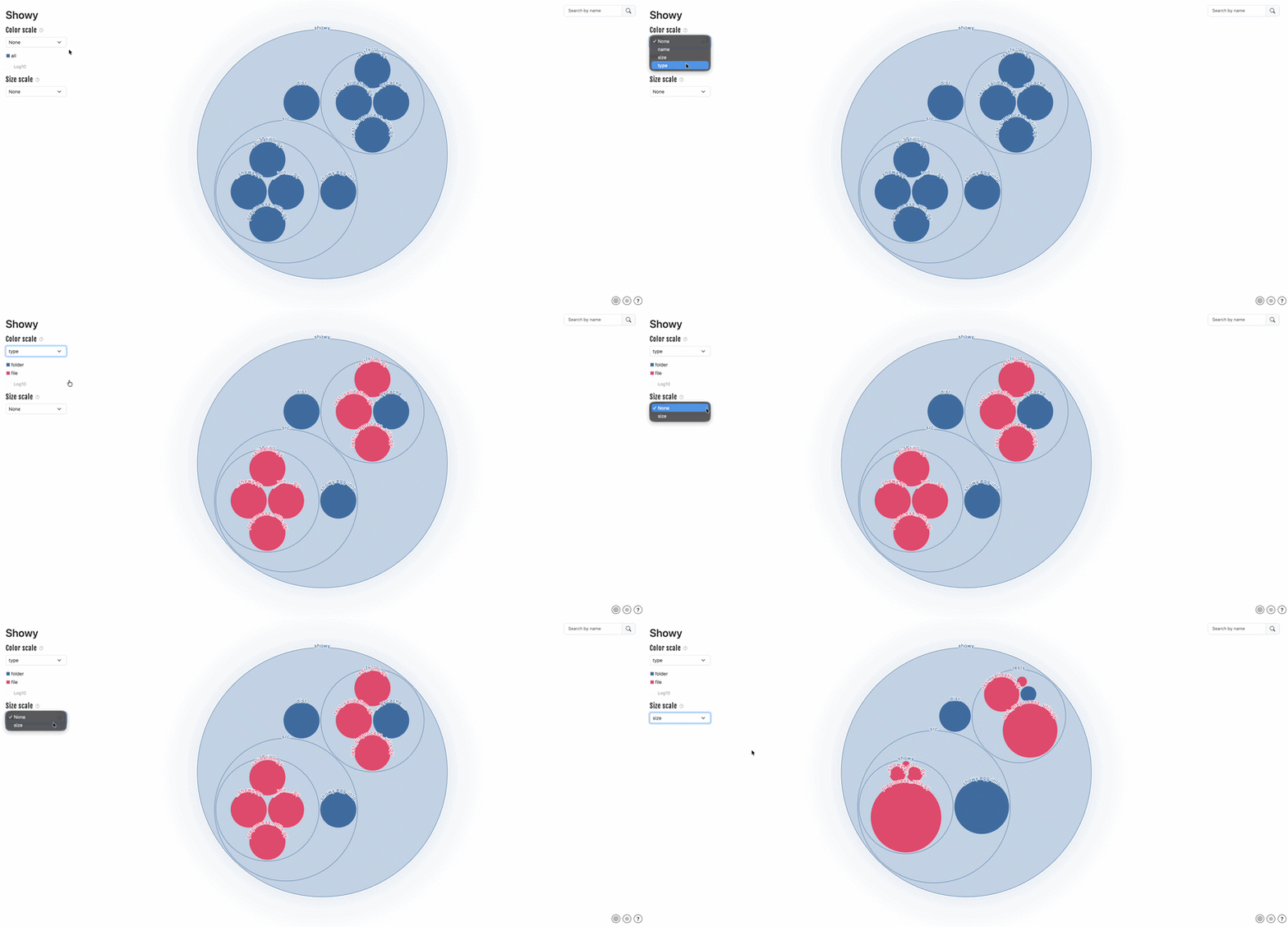
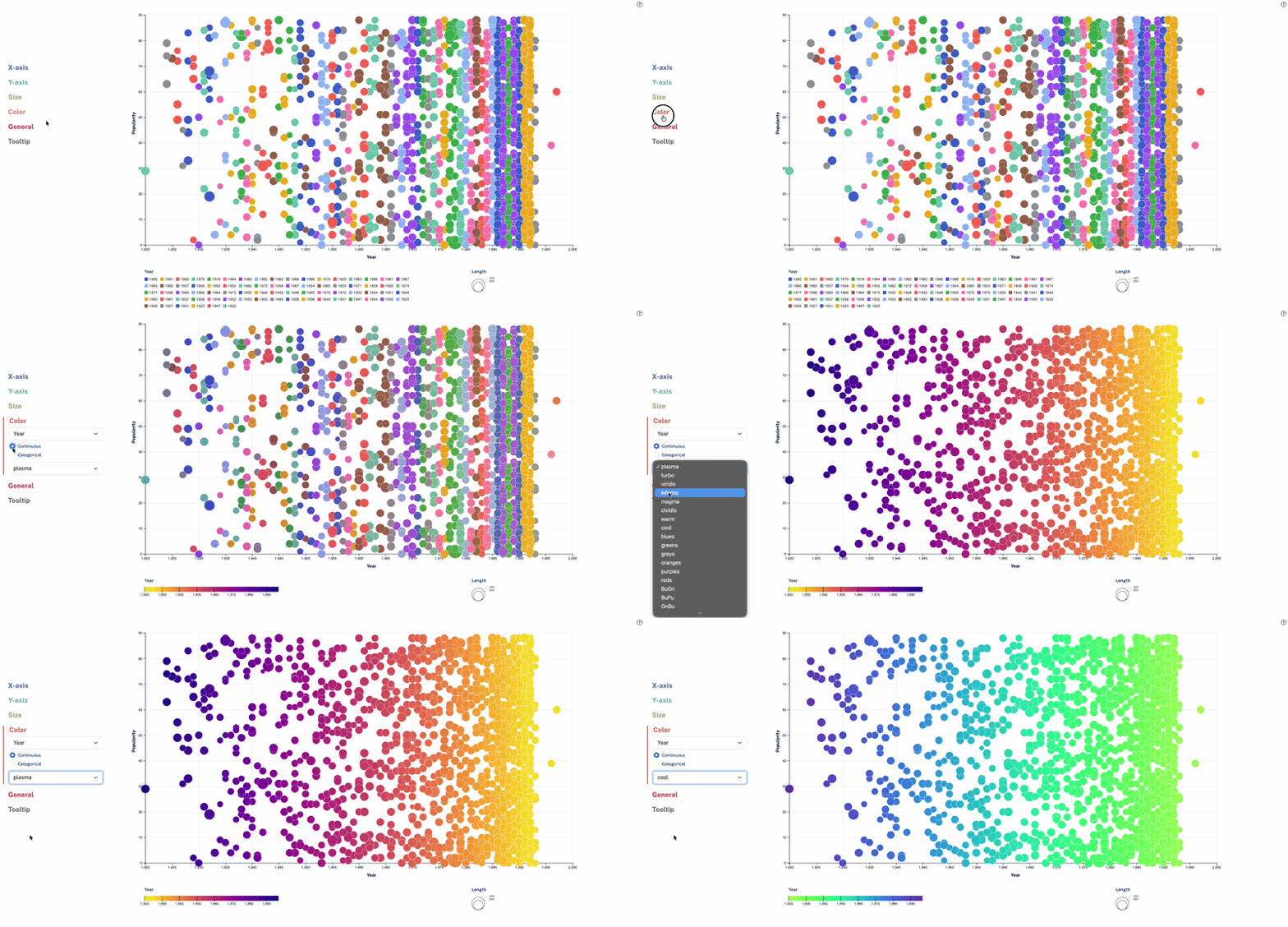
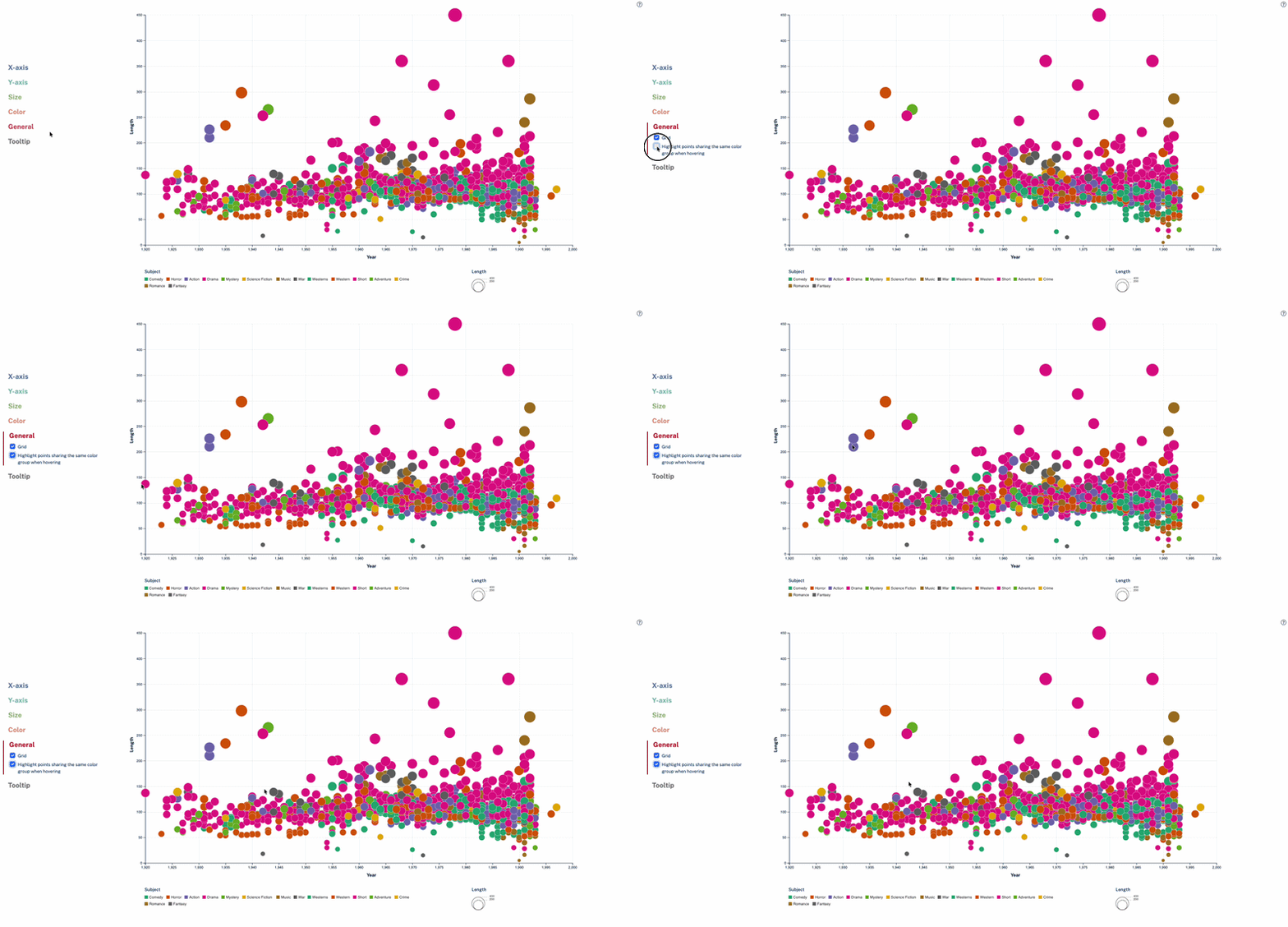
Moonframe provides a simple user interface that handles all customization in real time, with no need to code. You can set the color palette, change the element properties (color, size, ...), filter the displayed data, and more.
Dynamic navigation
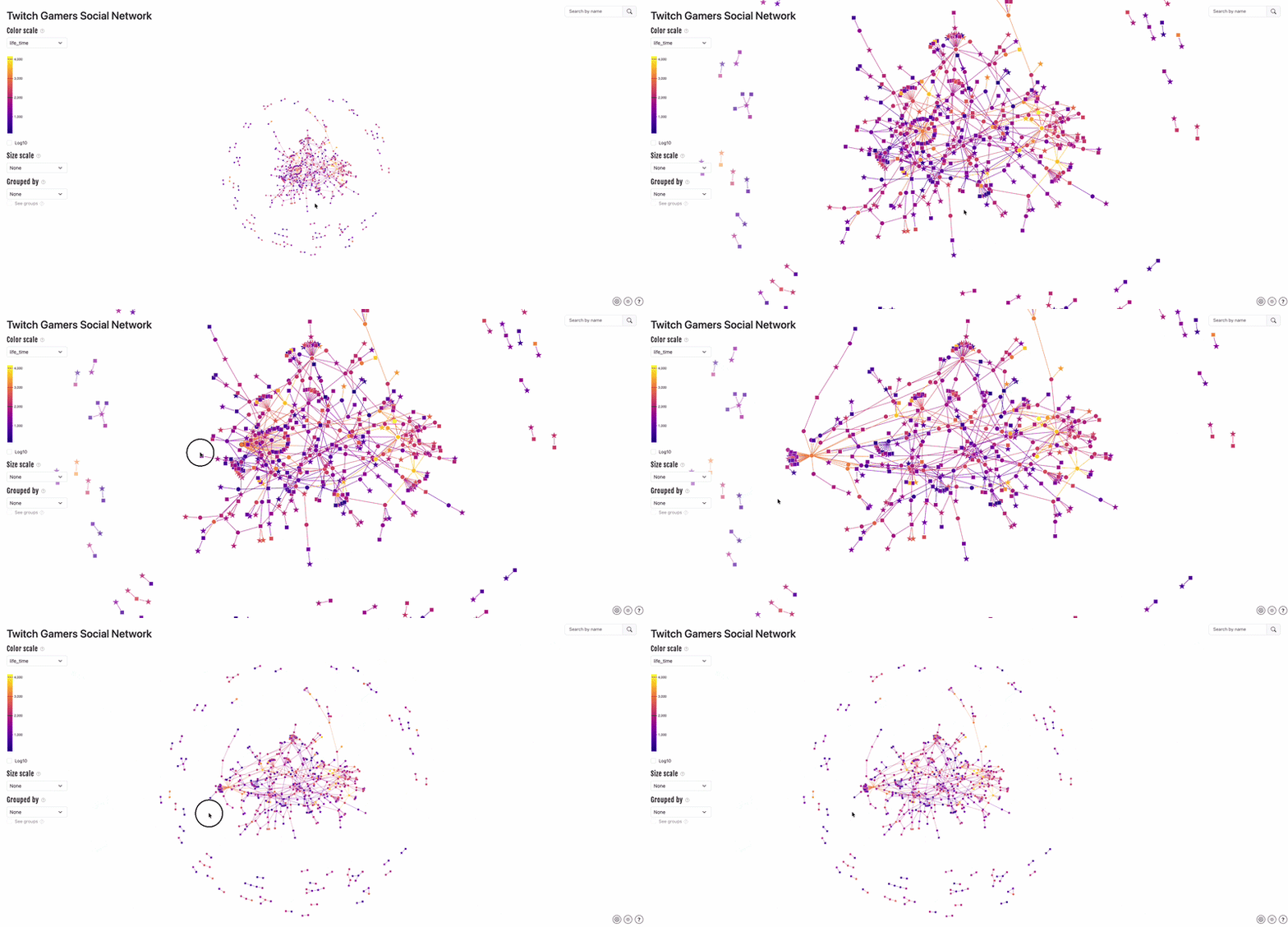
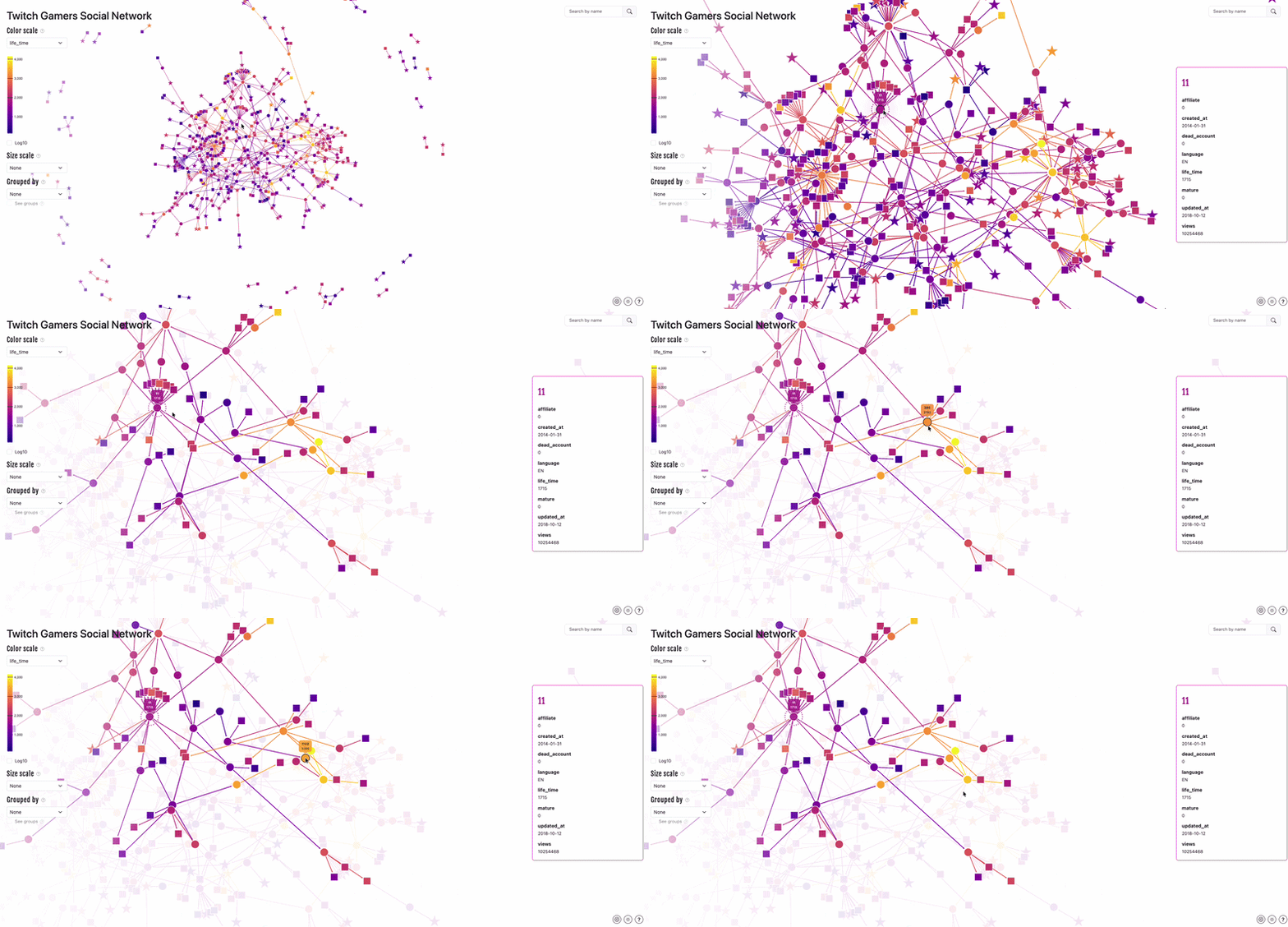
All graphs are interactive and dynamic, thanks to D3.js. Navigate your way through click, hover, zoom, and pan.
Ways of exploring your data
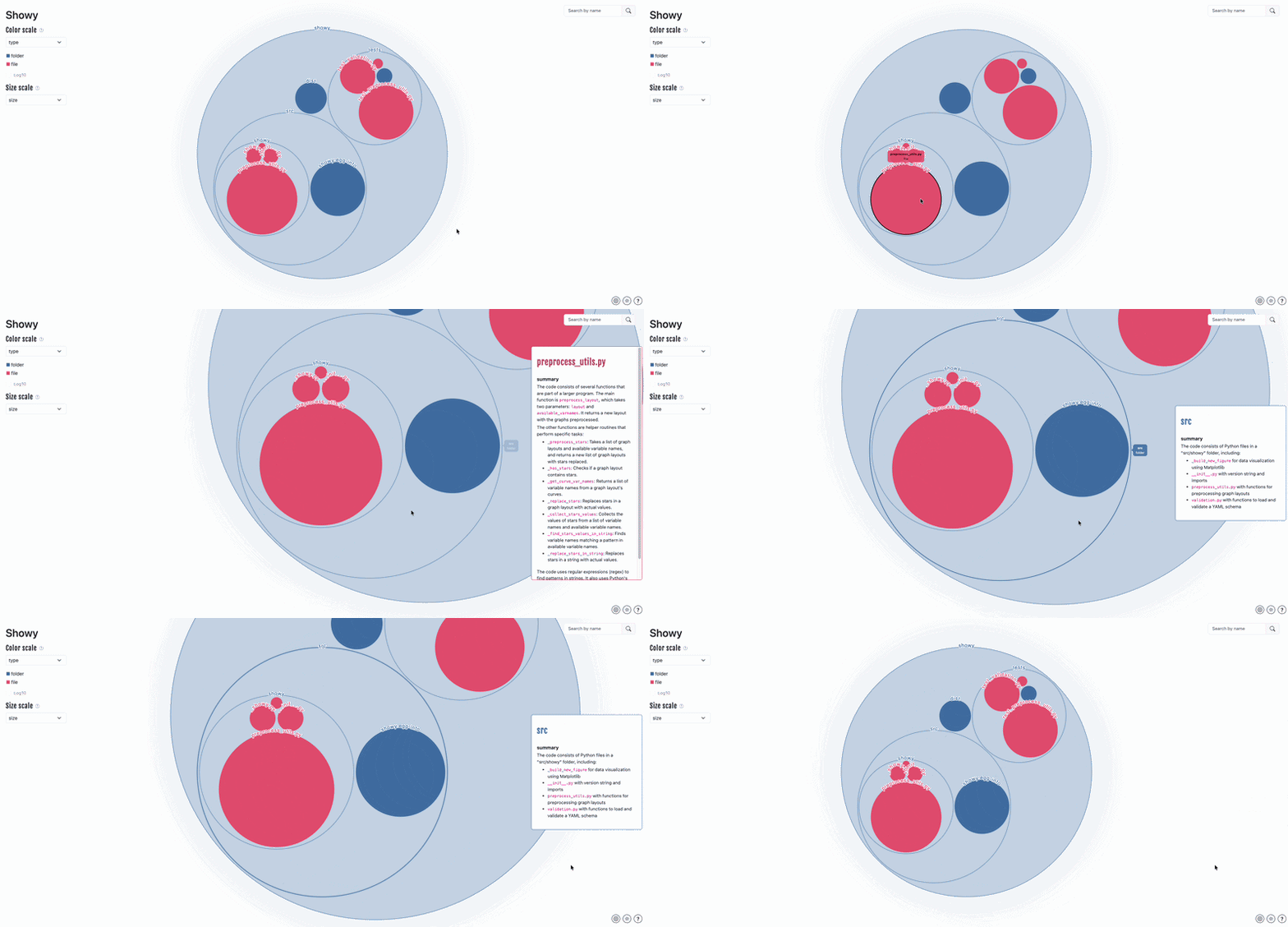
Moonframe lets you deeply explore your dataset: access your data with tooltips or cards, reveal relationships between elements with highlighting, flag important points, or hide useless ones.
You are also free to remove or add fields to be displayed in tooltips or cards.
Others features
- Easy to use
- Handling missing data
- Dark/light theme
- Search
Usage
Moonframe handles web applications based on Flask. Each application is run on a server and is rendered in a web browser.
To keep things simple, Moonframe follows the philosophy: "one application = one graph". All available applications are stored in the app_builder module.
In practice, you can either include Moonframe directly in your Python projects:
from moonframe.app_builder import build_scatter_app
from moonframe.serve import serve_app

# Create a scatter plot app
app = build_scatter_app(filepath="dataset.csv", delimiter=";")
# Serve it locally
serve_app(app=app)
Or use it through the CLI:
> moonframe
Usage: moonframe [OPTIONS] COMMAND [ARGS]...

  Package moonframe v0.7.0

                  ⠀⠀⠀⠀⠀⠀⠀⠀⠀⠀⠀⠀⠀⠀⠀⠀⠀⠀⠀⠀⠀⠀⠀⠀⠀⠀⠀⠀⠀⠀⠀⠀⠀⠀⠀⠀⠀⠀
                  ⠀⠀⠀⠀⠀⠀⠀⠀⠀⠀⠀⠀⣀⣤⣴⡶⠖⠋⠉⠀⠀⠀⠀⠀⠀⠀⠀⠀⠀⠀⠀⠀⠀⠀⠀⠀⠀
                  ⠀⠀⠀⠀⠀⠀⠀⠀⠀⢠⣴⣾⣿⠟⠉⠀⠀⠀⠀⠀⠀⠀⠀⠀⠀⠀⠀⠀⠀⠀⠀⠀⠀⠀⠀⠀⠀⠀
                  ⠀⠀⠀⠀⠀⠀⠀⢀⣾⣿⣿⡿⠁⠀⠀⠀⠀⠀⠀⠀⠀⠀⠀⠀⠀⠀⠀⠀⠀⠀⠀⠀⠀⠀⠀⠀⠀⠀
                  ⠀⠀⠀⠀⠀⠀⣰⣿⣿⣿⣿⠁⠀⠀⠀⠀⠀⠀⠀⠀⠀⠀⠀⠀⠀⣶⣶⡆⠀⠀⠀⠀⠀⠀⠀⠀⠀⠀⠀
                  ⠀⠀⠀⠀⠀⢀⣿⣿⣿⣿⡇⠀⠀⠀⠀⠀⠀⠀⠀⠀⠀⣶⣶⡆⠀⣿⣿⡇⠀⠀⠀⠀⠀⠀⠀⠀⠀⠀⠀
                  ⠀⠀⠀⠀⠀⢸⣿⣿⣿⣿⣧⠀⠀⠀⠀⠀⠀⣶⣤⡄⠀⣿⣿⡇⠀⣿⣿⡇⠀⠀⠀⠀⠀⡄⠀⠀⠀⠀⠀
                  ⠀⠀⠀⠀⠀⠸⣿⣿⣿⣿⣿⡆⠀⣶⣶⡆⠀⣿⣿⡇⠀⣿⣿⡇⠀⣿⣿⡇⠀⠀⠀⠀⢠⠇⠀⠀⠀⠀⠀
                  ⠀⠀⠀⠀⠀⠀⢻⣿⣿⣿⣿⣿⣦⡙⢿⡇⠀⣿⣿⡇⠀⣿⣿⡇⠀⣿⣿⡇⠀⠀⢀⣴⡟⠀⠀⠀⠀⠀⠀
                  ⠀⠀⠀⠀⠀⠀⠀⠻⣿⣿⣿⣿⣿⣿⣦⣀⡀⠿⢿⡇⠀⣿⣿⡇⠀⡿⠿⢃⣠⣴⣿⠟⠀⠀⠀⠀⠀⠀⠀
                  ⠀⠀⠀⠀⠀⠀⠀⠀⠙⠿⣿⣿⣿⣿⣿⣿⣿⣷⣶⣦⣤⣭⣭⣤⣴⣶⣾⣿⣿⠿⠋⠀⠀⠀⠀⠀⠀⠀⠀
                  ⠀⠀⠀⠀⠀⠀⠀⠀⠀⠀⠈⠛⠿⢿⣿⣿⣿⣿⣿⣿⣿⣿⣿⣿⣿⡿⠿⠋⠁⠀⠀⠀⠀⠀⠀⠀⠀⠀⠀
                  ⠀⠀⠀⠀⠀⠀⠀⠀⠀⠀⠀⠀⠀⠀⠈⠉⠉⠛⠛⠛⠛⠛⠉⠉⠁⠀⠀⠀⠀⠀⠀⠀⠀⠀⠀⠀⠀⠀⠀⠀⠀⠀⠀⠀⠀⠀⠀⠀⠀⠀⠀⠀⠀⠀⠀⠀⠀

  ------------------------------  Moonframe  ------------------------------

  You are now using the Command line interface of moonframe package, a set of
  tools created at CERFACS (https://cerfacs.fr).

  This is a python package currently installed in your python environement.

  All graphs are displayed in your default web browser.

Options:
  --help  Show this message and exit.

Commands:
  circular-packing  Circular packing graph.
  network           Network graph.
  scatter           Scatter plot
Getting started
If you’re completely new to Python, the easiest way to begin is by following the getting started tutorial. This guide walks you through installing Moonframe and introduces a few essential basics. Give it a try!
Requirements
- Web browser
- Python >= 3.7
- An internet connexion (just during graph generation, see Important note above)
Installation
Install it from PyPI with :
pip install moonframe
Available charts
Table of contents
 Scatter |
 Circular packing |
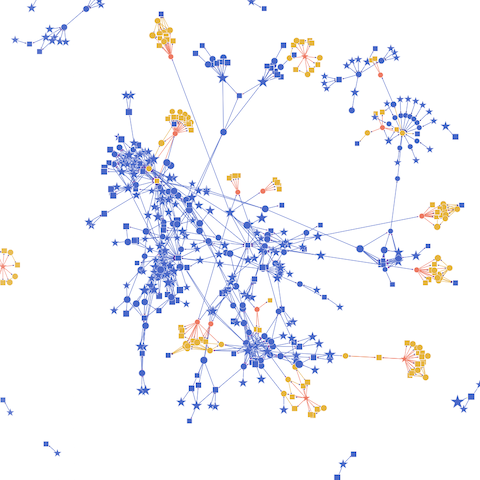 Network |
|---|
Scatter plot
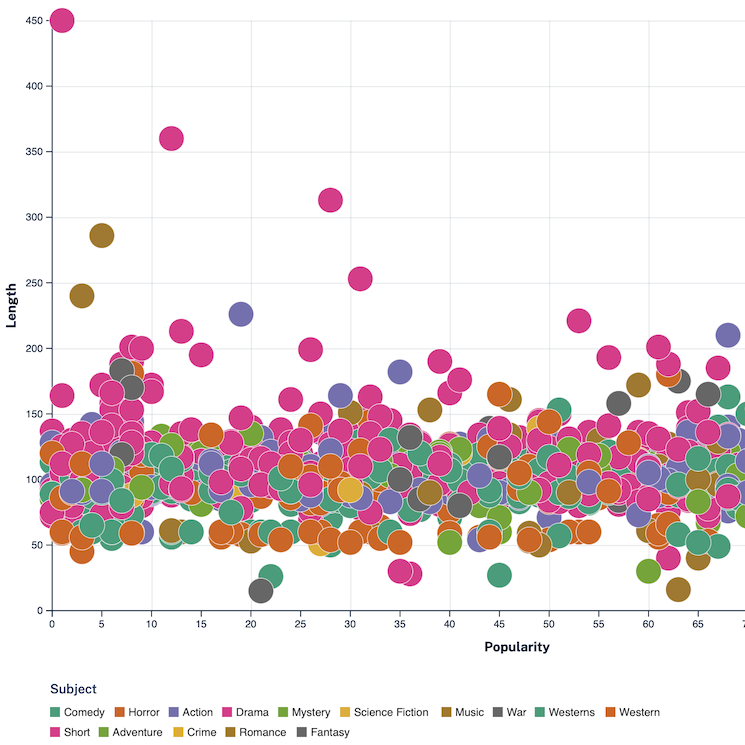
The scatter plot displays data as points on a 2D axis. It is perfect to do quick data exploration on a variety of datasets.
It takes as input CSV files structured in columns. It must include a header row to name each column. For example, the film dataset from the personal website of James R. Eagan:
Year;Length;Title;Subject;Actor;Actress;Director;Popularity;Awards;*Image
1990;111;Tie Me Up! Tie Me Down!;Comedy;Banderas, Antonio;Abril, Victoria;AlmodÛvar, Pedro;68;No;NicholasCage.png
1991;113;High Heels;Comedy;BosÈ, Miguel;Abril, Victoria;AlmodÛvar, Pedro;68;No;NicholasCage.png
1983;104;Dead Zone, The;Horror;Walken, Christopher;Adams, Brooke;Cronenberg, David;79;No;NicholasCage.png
More on this subject on the dataset documentation.
You can open the scatter plot either using the following command:
moonframe scatter film.csv -d ";"
Or in your application:
from moonframe.app_builder import build_scatter_app
from moonframe.serve import serve_app

# Create a scatter plot app
app = build_scatter_app(filepath="film.csv", delimiter=";")
# Serve it locally
serve_app(app=app)
Learn more on the scatter plot documentation.
Circular packing
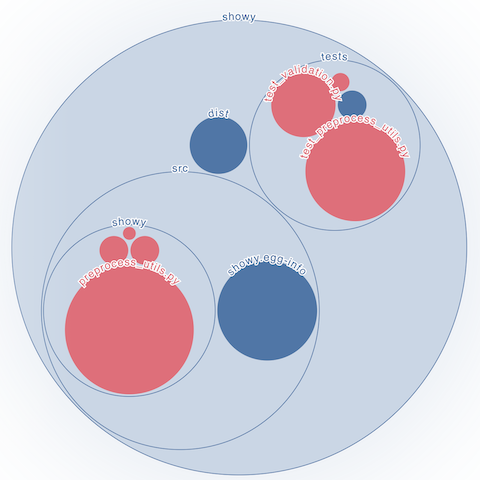
The circular packing graph displays hierarchical data as nested circles.
It takes as input JSON files looking like this:
{
  "root": {
    "field1": 5,
    "field2": true,
    "field3": "coffee",
    "field4": 1.5,
    "field5": ["hello", "world"],
    "field6": { "hello": 1, "world": 2 }
  },
  "root/element1": {
    "field1": 2,
    "field2": false,
    "field3": "tea",
    "field4": 3.2,
    "field5": ["hello", "world"],
    "field6": { "hello": 1, "world": 2 }
  }
}
Hierarchy is expresses as paths using "/" to separate the different levels. A common root is required to work.
You can open the graph either using the following command:
moonframe circular-packing dataset.json
Or directly in your application:
from moonframe.app_builder import build_app_circular_packing
from moonframe.serve import serve_app
from json import load

with open("dataset.json", "r") as file:
    data = load(file)

app = build_app_circular_packing(filedata=data, delimiter=";")
serve_app(app=app)
Learn more on the circular packing plot documentation.
Network
The network graph displays relationships between elements within a network as nodes and edges (links).
It takes as input NetworkX graph or a JSON file generated from one (using node_link_data, see the offical documentation).
For example, you can open a Network graph in a Python script:
import networkx as nx
from moonframe.app_builder import build_app_network
from moonframe.server import serve_app

# set the graph - example taken from https://networkx.org/documentation/latest/auto_examples/basic/plot_simple_graph.html
G = nx.Graph()
G.add_edge(1, 2)
G.add_edge(1, 3)
G.add_edge(1, 5)
G.add_edge(2, 3)
G.add_edge(3, 4)
G.add_edge(4, 5)

# create the graph and opens it with Moonframe
app = build_app_network(G, title="Simple Network")
serve_app(app)
Or using the following command:
moonframe network dataset.json
dataset.json is, in this case, the output of the NetworkX function node_link_data dumped to JSON:
data = nx.readwrite.json_graph.node_link_data(G)

with open("dataset.json", "w") as f:
    json.dump(data, f, indent=4)
Giving the following:
{
  "directed": false,
  "multigraph": false,
  "graph": {},
  "nodes": [
    {
      "id": 1
    },
    {
      "id": 2
    },
    {
      "id": 3
    },
    {
      "id": 5
    },
    {
      "id": 4
    }
  ],
  "edges": [
    {
      "source": 1,
      "target": 2
    },
    {
      "source": 1,
      "target": 3
    },
    {
      "source": 1,
      "target": 5
    },
    {
      "source": 2,
      "target": 3
    },
    {
      "source": 3,
      "target": 4
    },
    {
      "source": 5,
      "target": 4
    }
  ]
}
Learn more on the network graph documentation.
Most common troubleshoots
- Wrong data format : Makes sure to double check the input data format requirements. You can take a look at the Dataset documentation. Be extra careful with the delimiter of your CSV file when using the scatter plot.
- Internet connexion : Even though the graph is hosted locally, an internet connection is briefly required during generation to load the necessary packages.
- Port number: If you manually set the port using the
-poption, make sure the port is available and not reserved by your system. If unsure, simply run the application without specifying a port, this lets it automatically choose a suitable one. - Cache : If something isn't working as expected, try clearing your browser cache and restarting the application.
- Version : Of course, make sure you are up-to-date. Run
pip install --upgrade moonframe. - Not responsive: Either your dataset is too big and it takes a lot of time to load - either you have disconnect your server by closing your terminal or pression
CTRL+D.
2 maintainers


Metadata
2 maintainers
Release files for moonframe 1.0.3
For a detailed explanation of source distributions (sdists) and built distributions (wheels), please see the package formats documentation.
Source distribution (sdist)
| File | Size | Uploaded | |
|---|---|---|---|
| moonframe-1.0.3.tar.gz | 68.1 kB | Details |
Built distribution (wheel)
| File | Interpreter | ABI | Platform | Reset |
|---|---|---|---|---|
| moonframe-1.0.3-py3-none-any.whl | Python 3 | none | any | Details |
Total release size: 149.8 kB
Release files / moonframe-1.0.3.tar.gz
| Download URL | moonframe-1.0.3.tar.gz |
|---|---|
| Size | 68.1 kB |
| Tags | Source |
|
SHA-256 checksum How to use checksums |
c58ae8dc2b9fb6c6e35b48543b63167db2ca6e68c65a062564cdee25e156299f
|
|
BLAKE2b-256 checksum How to use checksums |
66b8d193c46ef04c83416cba82896371ac72a2d6634d97023bc4f1a2e5a3cc09
|
| Upload date | |
|
Uploaded using Trusted Publishing? What is trusted publishing? |
No |
| Uploaded via |
twine/6.1.0 CPython/3.13.9
|
Release files / moonframe-1.0.3-py3-none-any.whl
| Download URL | moonframe-1.0.3-py3-none-any.whl |
|---|---|
| Size | 81.7 kB |
| Tags | Python 3 |
|
SHA-256 checksum How to use checksums |
bd13747138f65509c9997fa4552e5a87063047ac3a5e5538148a298a23db4c21
|
|
BLAKE2b-256 checksum How to use checksums |
cc1ba602268f1e4cc55dbbbee9583ccc9c6e9d4655efb0ece4378a50e2ec31c4
|
| Upload date | |
|
Uploaded using Trusted Publishing? What is trusted publishing? |
No |
| Uploaded via |
twine/6.1.0 CPython/3.13.9
|














