
Osam
Run promptable vision models locally, on CPU, CUDA, WebGPU or CoreML.


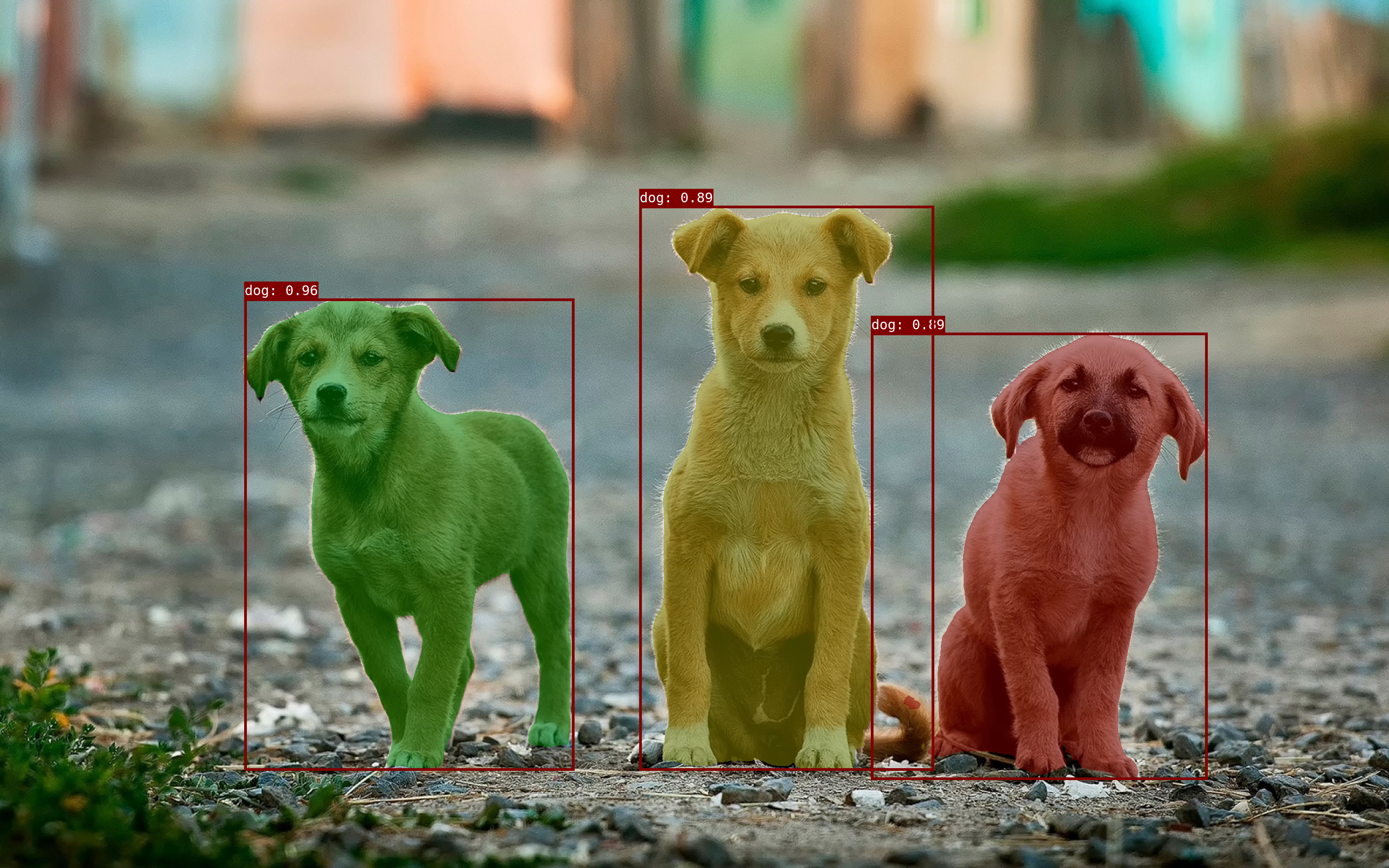
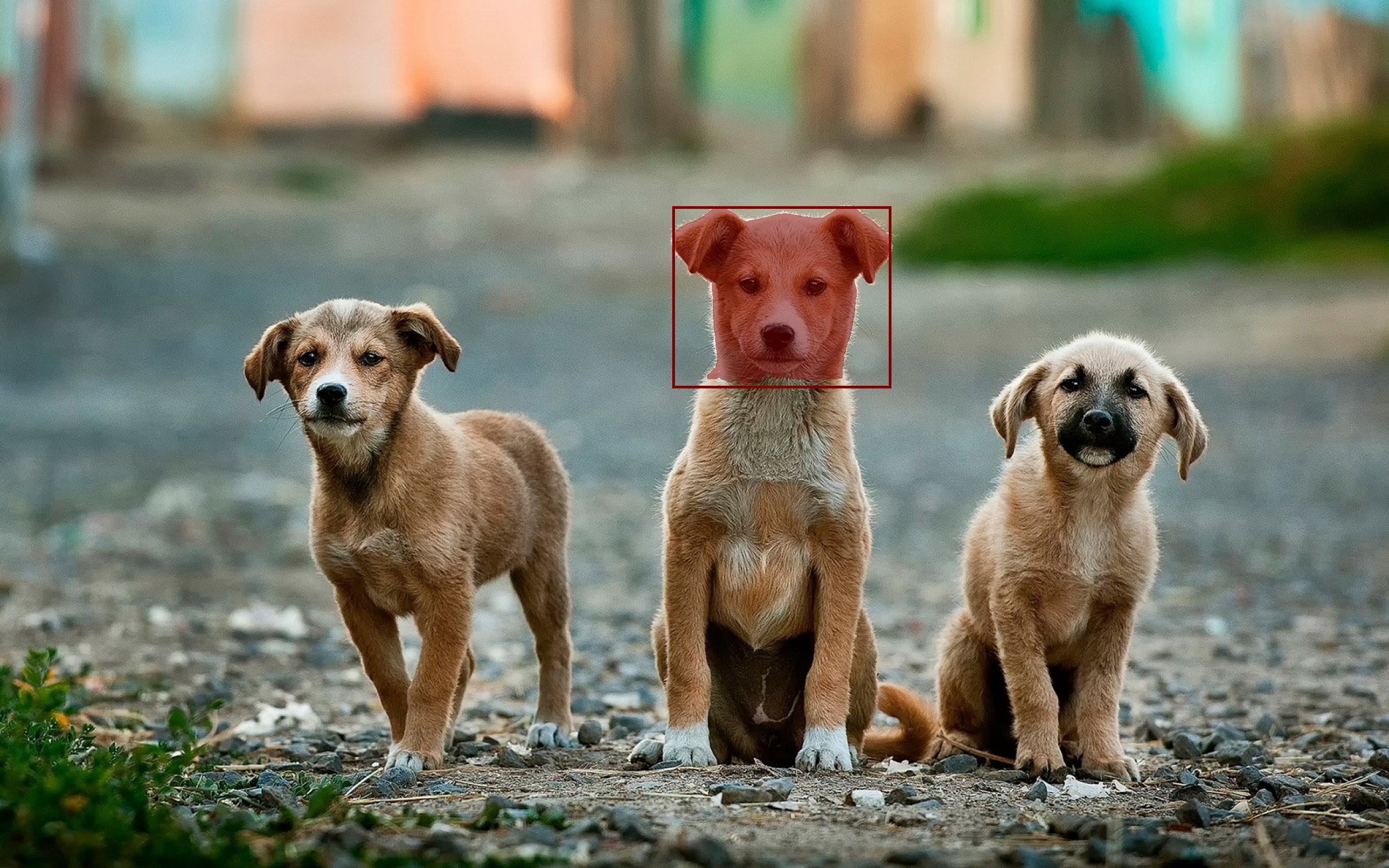
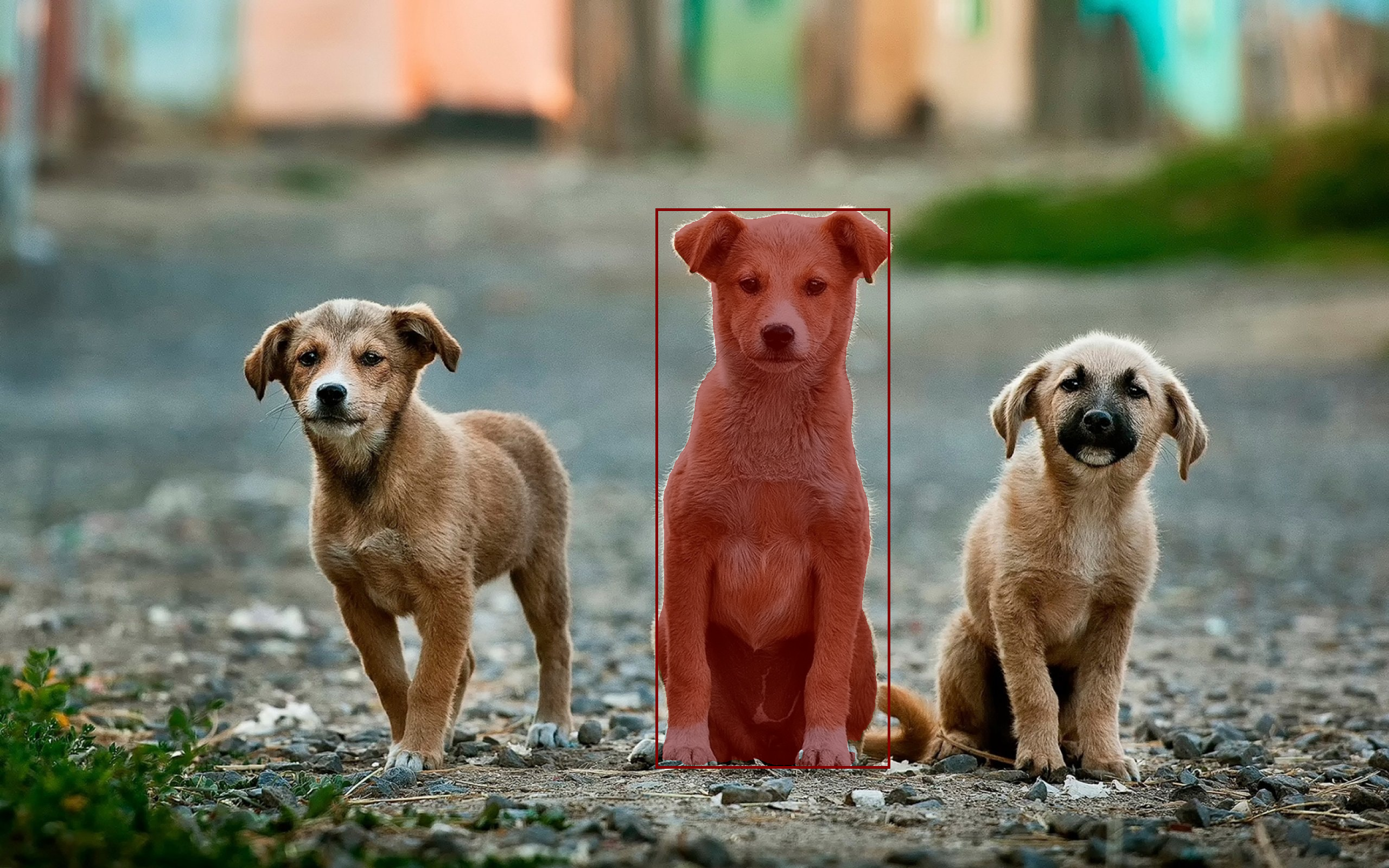
Osam (/oʊˈsɑm/) is a tool to run open-source promptable vision models locally (inspired by Ollama).
Osam provides:
- Promptable Vision Models - Segment Anything Model (SAM), EfficientSAM, YOLO-World;
- Local APIs - CLI & Python & HTTP interface;
- Customization - Host custom vision models.
Installation
Pip
pip install osam[cpu] # or osam[gpu] for NVIDIA GPUs
osam[gpu] installs onnxruntime-gpu together with the CUDA and cuDNN
libraries, so no system CUDA install is needed. Install only one onnxruntime
build: onnxruntime and onnxruntime-gpu overwrite each other's files.
For other GPUs (AMD, Intel, or NVIDIA without the CUDA libraries), install
osam[webgpu]; osam then uses the GPU without --device. It runs on Vulkan,
Direct3D 12 or Metal, and needs Python 3.11 or later. On Linux it also needs
the system Vulkan loader (libvulkan.so.1).
For osam serve:
pip install osam[cpu,serve]
Quickstart
To run with EfficientSAM:
osam run efficientsam --image <image_file>
To run with YOLO-World:
osam run yoloworld --image <image_file>
Model library
Here are models that can be downloaded:
| Model | Parameters | Size | Download |
|---|---|---|---|
| SAM 100M | 94M | 100MB | osam run sam:100m |
| SAM 300M | 313M | 310MB | osam run sam:300m |
| SAM 600M | 642M | 630MB | osam run sam |
| SAM2 Tiny | 39M | 150MB | osam run sam2:tiny |
| SAM2 Small | 46M | 170MB | osam run sam2:small |
| SAM2 BasePlus | 82M | 300MB | osam run sam2 |
| SAM2 Large | 227M | 870MB | osam run sam2:large |
| SAM3 | 893M | 3.4GB | osam run sam3 |
| EfficientSAM 10M | 10M | 40MB | osam run efficientsam:10m |
| EfficientSAM 30M | 26M | 100MB | osam run efficientsam |
| YOLO-World XL | 168M | 640MB | osam run yoloworld |
PS. sam, efficientsam is equivalent to sam:latest, efficientsam:latest.
Prompts
| Model | Point | Box | Negative box | Text |
|---|---|---|---|---|
| SAM | ✓ | ✓ | ||
| SAM2 | ✓ | ✓ | ||
| SAM3 | ✓ | ✓ | ✓ | ✓ |
| EfficientSAM | ✓ | ✓ | ||
| YOLO-World | ✓ |
Speed
Median of 5 runs after a warm-up, excluding model loading.
Image encoding (ms)
| Model | CPU i9-12900K |
CUDA RTX 3080 Ti |
WebGPU RTX 3080 Ti |
CPU Apple M5 |
CoreML Apple M5 |
WebGPU Apple M5 |
|---|---|---|---|---|---|---|
| SAM 100M | 1255 | 692 | 3009 | 2267 | 257678 | 1730 |
| SAM 300M | 2633 | 2125 | 7471 | 6778 | > 15 min | 4802 |
| SAM 600M | 4165 | 4197 | 17640 | 11023 | > 15 min | 8607 |
| SAM2 Tiny | 569 | 65 | 135 | 1627 | 277 | 250 |
| SAM2 Small | 651 | 74 | 121 | 2119 | 320 | 279 |
| SAM2 BasePlus | 1237 | 104 | 179 | 2923 | 570 | 494 |
| SAM2 Large | 2414 | 151 | 319 | 7596 | 1281 | 1109 |
| SAM3 | 6563 | 347 | 741 | 15341 | 2466 | 3691 |
| EfficientSAM 10M | 399 | 55 | 253 | 781 | fails to load | 322 |
| EfficientSAM 30M | 948 | 74 | 448 | 1767 | fails to load | 664 |
| YOLO-World XL | — | — | — | — | fails to load | — |
One prompt (ms)
Point prompt; text for SAM3 and YOLO-World, which has no separate encoding.
| Model | CPU i9-12900K |
CUDA RTX 3080 Ti |
WebGPU RTX 3080 Ti |
CPU Apple M5 |
CoreML Apple M5 |
WebGPU Apple M5 |
|---|---|---|---|---|---|---|
| SAM 100M | 32 | 20 | 149 | 47 | 84 | 49 |
| SAM 300M | 33 | 23 | 367 | 53 | — | 57 |
| SAM 600M | 34 | 27 | 209 | 52 | — | 56 |
| SAM2 Tiny | 40 | 16 | 75 | 59 | 66 | 28 |
| SAM2 Small | 44 | 17 | 74 | 58 | 61 | 28 |
| SAM2 BasePlus | 50 | 17 | 69 | 51 | 65 | 28 |
| SAM2 Large | 43 | 17 | 87 | 48 | 60 | 29 |
| SAM3 | 1162 | 74 | 203 | 1519 | 376 | 604 |
| EfficientSAM 10M | 45 | 16 | 51 | 34 | fails to load | 27 |
| EfficientSAM 30M | 46 | 15 | 56 | 35 | fails to load | 27 |
| YOLO-World XL | 774 | 42 | 100 | 1829 | fails to load | 237 |
Measured on examples/_images/dogs.jpg (2560x1600) with onnxruntime 1.23.2
(onnxruntime-gpu 1.31.1 for CUDA; onnxruntime 1.30.0 and onnxruntime-ep-webgpu
0.5.0 for WebGPU, on Vulkan and Metal).
Run python examples/benchmark.py --device cpu --device cuda to measure on
your machine.
See docs/benchmark.md for SAM3 per prompt, load times
and CPU/CoreML parity.
Custom download endpoint
Models are downloaded from their canonical URLs by default. To download from a
mirror instead (for example, in networks where the canonical hosts are blocked),
set OSAM_BLOB_ENDPOINT to a comma-separated list of endpoints tried in order:
# Try the mirror first, then fall back to the canonical host.
export OSAM_BLOB_ENDPOINT="https://mirror.example.com,direct"
Each blob is fetched from <endpoint>/<sha256-hex>; the reserved value direct
uses the model's canonical URL. Downloads are verified by SHA-256 regardless of
the endpoint, so a mirror cannot serve corrupted data. When unset, only direct
is used. Omit direct from the list (for example
OSAM_BLOB_ENDPOINT="https://mirror.example.com") to disable the canonical
fallback and serve every blob from the mirror only.
Execution providers
Pick a device per model with --device on the CLI or device= in Python:
osam run sam3 --image examples/_images/dogs.jpg --text dog --device coreml
model = osam.apis.get_model_type_by_name("sam3")(device="cuda")
cpu, cuda, coreml and webgpu are supported. An unavailable device raises an
error instead of falling back to CPU. With coreml, SAM3 runs its point
decoder on CPU and the rest on CoreML. On Apple silicon, SAM3 encodes an image
faster on CoreML than on WebGPU, but its first CoreML load takes about 35 s.
Without a device, inference runs on CUDA when the installed onnxruntime has it,
then on WebGPU when osam[webgpu] finds a GPU, otherwise on CPU. A session that
fails to start on the GPU, for example without a Vulkan driver, runs on CPU.
model.device tells which one was picked. To use another accelerator (CoreML on
macOS, DirectML on Windows, TensorRT, ROCm), set OSAM_ONNX_PROVIDERS to a
comma-separated list tried in the given order:
export OSAM_ONNX_PROVIDERS="CoreMLExecutionProvider,CPUExecutionProvider"
CoreML ships in the osam[cpu] build on macOS. For DirectML and other
builds, install osam without extras plus the matching onnxruntime package
(for example onnxruntime-directml). If a session cannot be created with the
given list, osam logs the error and falls back to CPUExecutionProvider.
Usage
CLI
# Run a model with an image
osam run efficientsam --image examples/_images/dogs.jpg > output.png

# Get a JSON output
osam run efficientsam --image examples/_images/dogs.jpg --json
# {"model": "efficientsam", "mask": "..."}

# Give a prompt
# 1. point prompt (x,y[,label]: foreground=1 by default, background=0)
osam run efficientsam --image examples/_images/dogs.jpg \
  --point 1439,504 --point 1439,1289 > efficientsam_point.png
# 2. box prompt with sam2 (x1,y1,x2,y2)
osam run sam2 --image examples/_images/dogs.jpg \
  --box 1233,376,1649,691 > sam2_box.png
# 3. text prompt
osam run sam3 --image examples/_images/dogs.jpg --text dog > sam3_text.png
# 4. box prompt with sam3
osam run sam3 --image examples/_images/dogs.jpg \
  --box 1233,376,1649,691 > sam3_box.png
# 5. text prompt with sam3, excluding a region
osam run sam3 --image examples/_images/dogs.jpg \
  --text dog --negative-box 1200,400,1700,1400 > sam3_negative_box.png

# Or give the whole prompt as JSON (point labels: background=0, foreground=1,
# box=2,3, negative box=4,5)
osam run sam2 --image examples/_images/dogs.jpg \
  --prompt '{"points": [[1233, 376], [1649, 691]], "point_labels": [2, 3]}'
# from a file (@prompt.json) or stdin (-), with a threshold on top
osam run sam3 --image examples/_images/dogs.jpg --prompt @prompt.json \
  --score-threshold 0.5
Output images: 'efficientsam_point.png', 'sam2_box.png', 'sam3_text.png', 'sam3_box.png'
Python
import numpy as np
from PIL import Image

import osam

image = np.asarray(Image.open("examples/_images/dogs.jpg"))
request = osam.types.GenerateRequest(
    model="efficientsam",
    image=image,
    prompt=osam.types.Prompt(points=[[1439, 504], [1439, 1289]], point_labels=[1, 1]),
)
response = osam.apis.generate(request=request)
annotation = response.annotations[0]
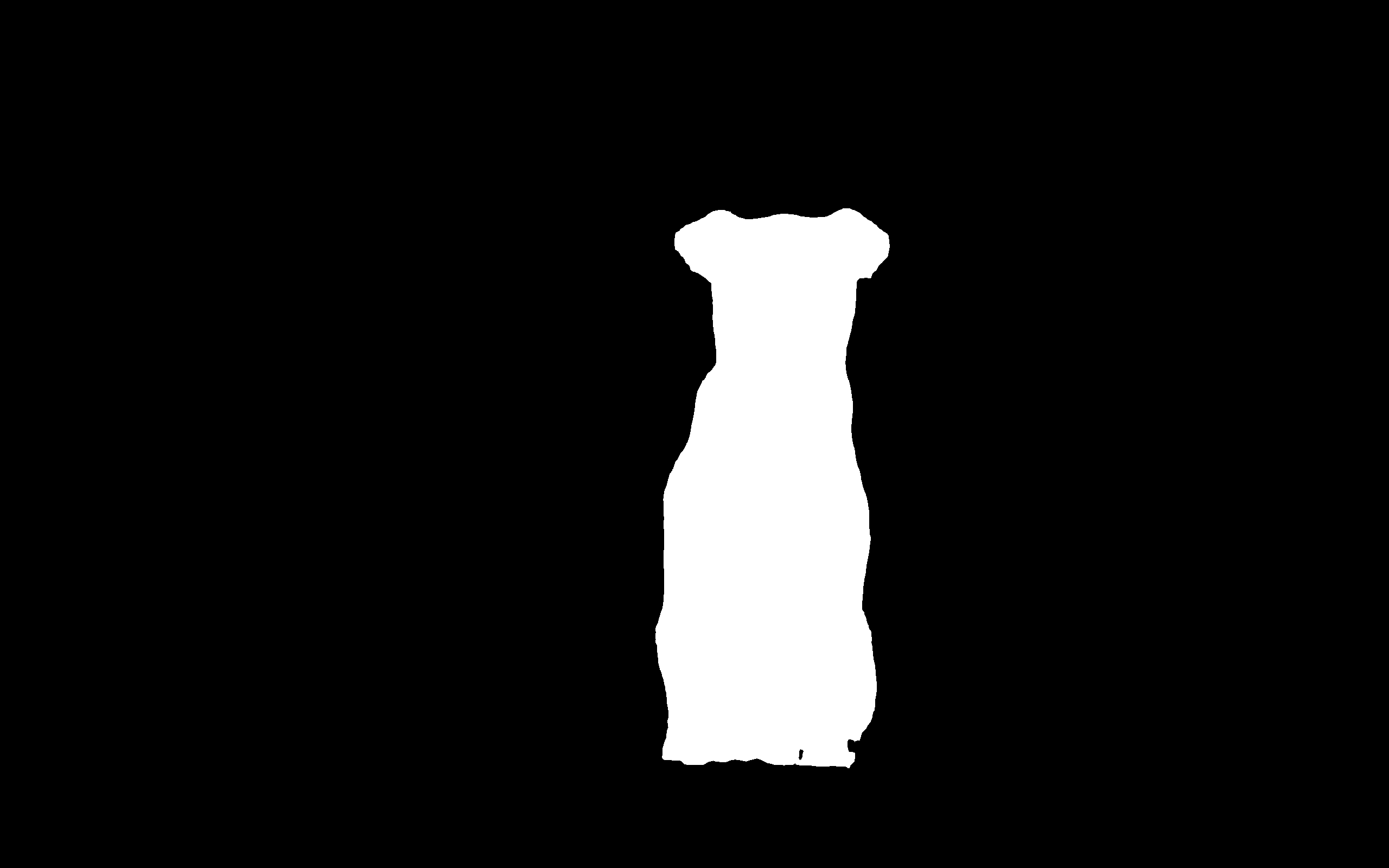
mask = np.zeros(image.shape[:2], dtype=np.bool_)
bbox = annotation.bounding_box
mask[bbox.ymin:bbox.ymax + 1, bbox.xmin:bbox.xmax + 1] = annotation.mask
Image.fromarray(mask).save("mask.png")
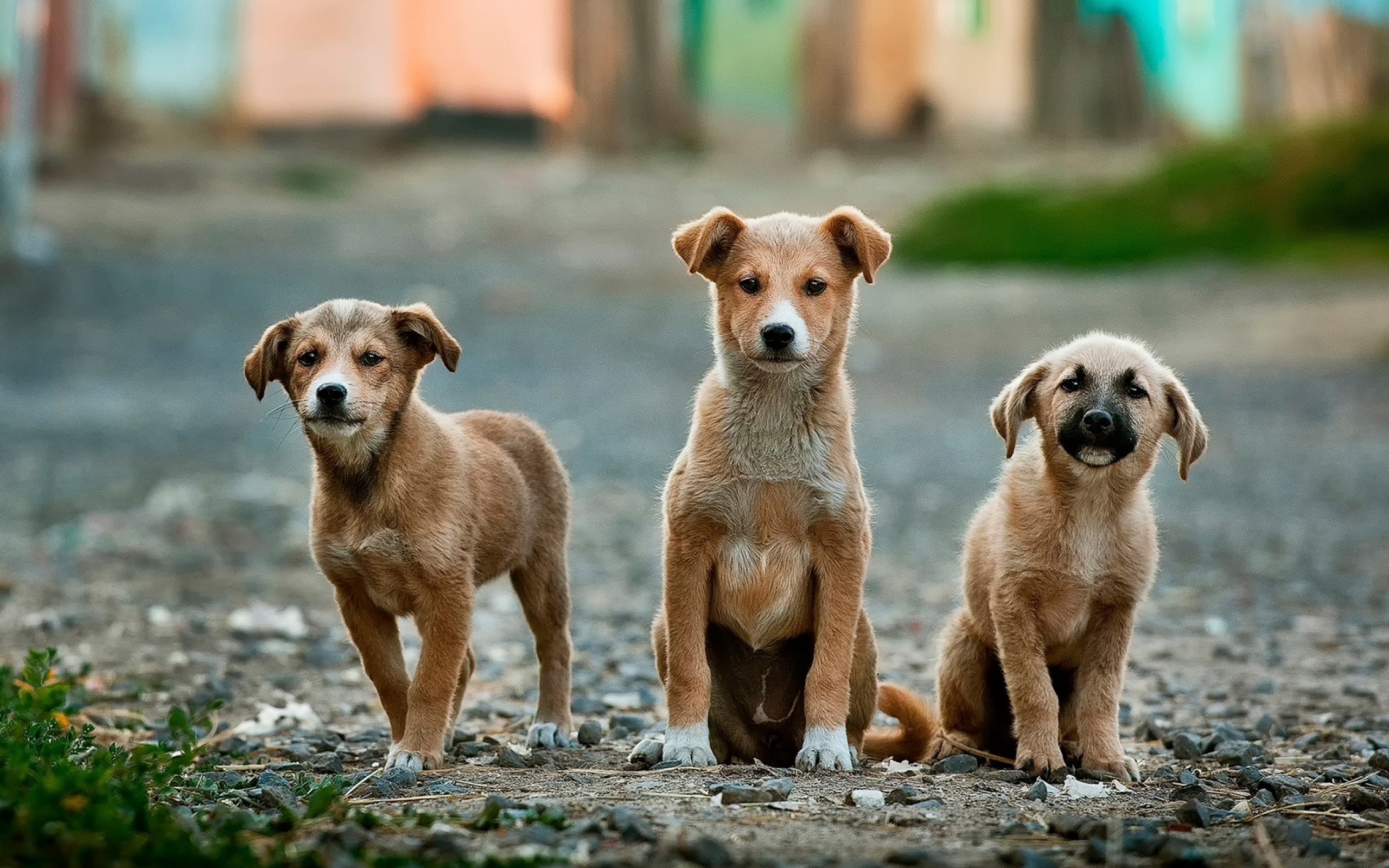
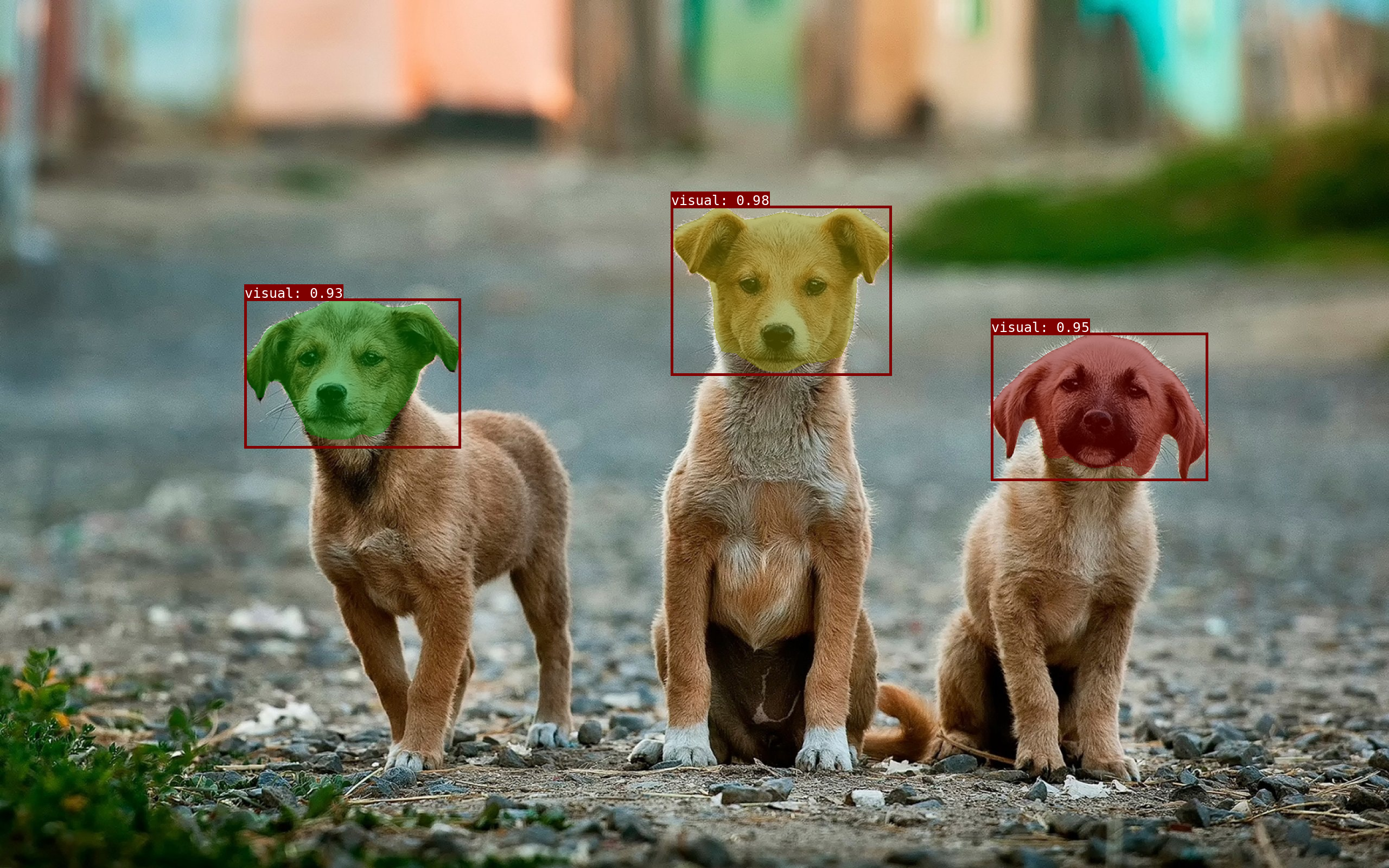
Input and output images ('dogs.jpg', 'mask.png').
HTTP
# pip install osam[cpu,serve]  # required for `osam serve`

# Get up the server
osam serve

# POST request
base64 < examples/_images/dogs.jpg \
  | jq -Rs '{model: "efficientsam", image: gsub("\n"; "")}' \
  | curl 127.0.0.1:11368/api/generate -X POST --json @- \
  | jq -r '.annotations[0].mask' | base64 --decode > mask.png
1 maintainer

Metadata
1 maintainer
Release files for osam 0.9.4
For a detailed explanation of source distributions (sdists) and built distributions (wheels), please see the package formats documentation.
Source distribution (sdist)
| File | Size | Uploaded | Provenance | Actions |
|---|---|---|---|---|
| osam-0.9.4.tar.gz | 27.6 MB | With provenance | Details for osam-0.9.4.tar.gz |
Built distribution (wheel)
| File | Interpreter | ABI | Platform | Actions Reset |
|---|---|---|---|---|
| osam-0.9.4-py3-none-any.whl | Python 3 | none | any | Details for osam-0.9.4-py3-none-any.whl |
Total release size: 29.0 MB
Release files / osam-0.9.4.tar.gz
| Download URL | osam-0.9.4.tar.gz |
|---|---|
| Size | 27.6 MB |
| Tags | Source |
|
SHA-256 checksum How to use checksums |
438322582cdb8dd76dc9fe6637f8b8f79d9086e5a1db9cd273481ac21b3efd07
|
|
BLAKE2b-256 checksum How to use checksums |
96582cce68c75389fc67a350c8a3591af1297669387b44140ba5eb65b2ea61e4
|
| Upload date | |
|
Uploaded using Trusted Publishing? What is trusted publishing? |
Yes |
| Uploaded via |
twine/7.0.0 CPython/3.13.16
|
Provenance
Provenance describes where a file came from. On PyPI, provenance is shared via attestations, which provide a verifiable record of the build or publishing details. View details, limitations and caveats.


PyPI Publish Attestation
PyPI verified that this artifact, at this checksum, originated from the publisher listed below.
Signed by GitHub Actions, verified by PyPI on Oct 31, 2026.
Transparency logRelease files / osam-0.9.4-py3-none-any.whl
| Download URL | osam-0.9.4-py3-none-any.whl |
|---|---|
| Size | 1.4 MB |
| Tags | Python 3 |
|
SHA-256 checksum How to use checksums |
809fe6da2c30694bab156d25d8f24cc5ff73930822044f7686c16b7cca5fab3e
|
|
BLAKE2b-256 checksum How to use checksums |
7c005263471fbde4cd178120710d844a8ce861920adf3625ac12197e111666fe
|
| Upload date | |
|
Uploaded using Trusted Publishing? What is trusted publishing? |
Yes |
| Uploaded via |
twine/7.0.0 CPython/3.13.16
|
Provenance
Provenance describes where a file came from. On PyPI, provenance is shared via attestations, which provide a verifiable record of the build or publishing details. View details, limitations and caveats.
PyPI Publish Attestation
PyPI verified that this artifact, at this checksum, originated from the publisher listed below.
Signed by GitHub Actions, verified by PyPI on Oct 31, 2026.
Transparency logSecurity for osam 0.9.4
Provenance
Provenance describes where a file came from. On PyPI, provenance is shared via attestations, which provide a verifiable record of the build or publishing details. View details, limitations and caveats.
Full provenance
All 2 files in this release have been uploaded with provenance metadata.
Attestation for osam-0.9.4.tar.gz
PyPI Publish Attestation
PyPI verified that this artifact, at this checksum, originated from the publisher listed below.
Signed by GitHub Actions, verified by PyPI on Oct 31, 2026.
Transparency logA note on package security
PyPI is a repository for distributing packages, not a service for auditing them. While third-party security researchers and our staff do their best to detect and remove malicious packages, PyPI cannot guarantee the quality, security or suitability of any given package.
To learn more about protecting yourself from malicious actors, visit our package security documentation.














