
A sleek tool that displays visually appealing progress bars and draws metric based curves in real-time.

Project description

TCurve
A sleek progress bar tool
For better experience of printing on the terminal.




🚀 Spotlight
📈 Fascinating Dashboard
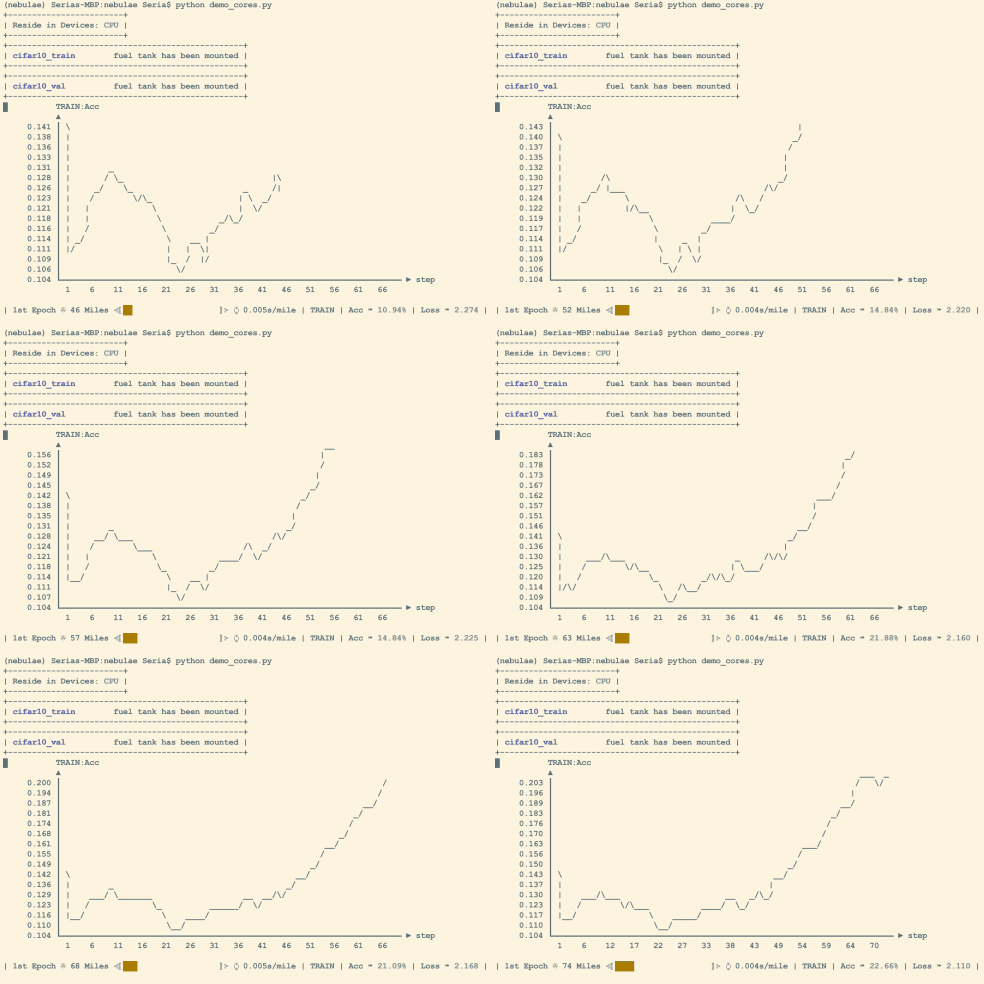
It shows visually appealing progress bars and draws metric based curves in real-time.
⚡ Quick Start
You can simply take it as a wrapper or help you plot curves.
import tcurve as tc
from time import sleep

# a simple wrapper
for i in tc.Dash(range(10)):
    time.sleep(0.5)

# wrap a generator
for i in tc.Dash(enumerate(range(30))):
    time.sleep(0.3)

# with keyword arguments
for i,n in tc.Dash(enumerate(range(30)), format={'number': [lambda x:x[1], tc.CUSTOM]}, epoch=2, mpe=30, stage='COUNT', interv=1, wipe=False):
    time.sleep(0.3)

# in a complicated manner
tcd = tc.Dash(format={'Acc': ['.1f', tc.PERCENT]})
unit_acc = [0.012, 0.045, 0.134, 0.189, 0.234, 0.278, 0.345, 0.378, 0.456, 0.423, 0.51, 0.599, 0.623, 0.62, 0.7] # create a fake array for this tutorial
fake_acc = unit_acc + unit_acc[::-1] + unit_acc + unit_acc[::-1] + unit_acc + unit_acc[::-1]
for i, a in enumerate(fake_acc):
    time.sleep(0.1)
    tcd({'Accuracy': a}, 0, i, len(fake_acc))
The genre macros are listed below.
- RAW: display as it is
- PERCENT: shown as xx.yy% for example
- INVIZ: do not display but log to files
- IMAGE: to visualize the image using characters. usually collocated with lambda *x:1 (or lambda *x:0) to display on terminal (or not)
- CUSTOM: define your own function to process the content. the function is supposed to be like
def process_fn(value, epoch, mile, mpe, stage):
  # value: the loss/accuracy/generated image or anything else you get in this step
  # epoch: the current epoch
  # mile: the current step/iter within this epoch
  # mpe: how many steps/iters an epoch would go through
  # stage: the current stage, which is input by users

  # ----- do something here ----- #

  # return a string to display
🔥 Dive Deeper
Let's take the last example in previous part to show how could you use more arguments for delicate control.
# below is the common setting
unit_acc = [0.012, 0.045, 0.134, 0.189, 0.234, 0.278, 0.345, 0.378, 0.456, 0.423, 0.51, 0.599, 0.623, 0.62, 0.7] # create a fake array for this tutorial
flat_acc = [0.5, 0.5, 0.5, 0.5, 0.5, 0.5, 0.5, 0.5, 0.5, 0.5]
fake_acc = 10 * (unit_acc + unit_acc[::-1] + flat_acc)
We only take this for-loop to demonstrate. First, you can use is_global=True to plot the entire curve.
tcd = tc.Dash(format={'Acc': ['.1f', tc.PERCENT]})
for i, a in enumerate(fake_acc):
    time.sleep(0.1)
    tcd({'Accuracy': a}, 0, i, len(fake_acc), is_global=True)
Let is_global=False to view the recent changes of this curve.
tcd = tc.Dash(format={'Acc': ['.1f', tc.PERCENT]})
for i, a in enumerate(fake_acc):
    time.sleep(0.1)
    tcd({'Accuracy': a}, 0, i, len(fake_acc), is_global=False)
Make is_elastic=True to dynamically stretch or squeeze the vertical axis so that the fluctuation of curves is prominent enough to be observed.
tcd = tc.Dash(format={'Acc': ['.1f', tc.PERCENT]})
for i, a in enumerate(fake_acc):
    time.sleep(0.1)
    tcd({'Accuracy': a}, 0, i, len(fake_acc), is_elastic=True)
When you have several variables, set in_loop and last_for to switch among them.
e.g in_loop=(0, 1), last_for=5 means dashboard is going to show curves of var[0] and var[1] in turns. The displayed curve changes every 5 steps.
tcd = tc.Dash(format={'Acc': ['.1f', tc.PERCENT], 'Level': ['.d', tc.RAW]})
for i, a in enumerate(fake_acc):
    time.sleep(0.1)
    tcd({'Accuracy': a, 'Level': i*i}, 0, i, len(fake_acc), in_loop=(0, 1), last_for=5)
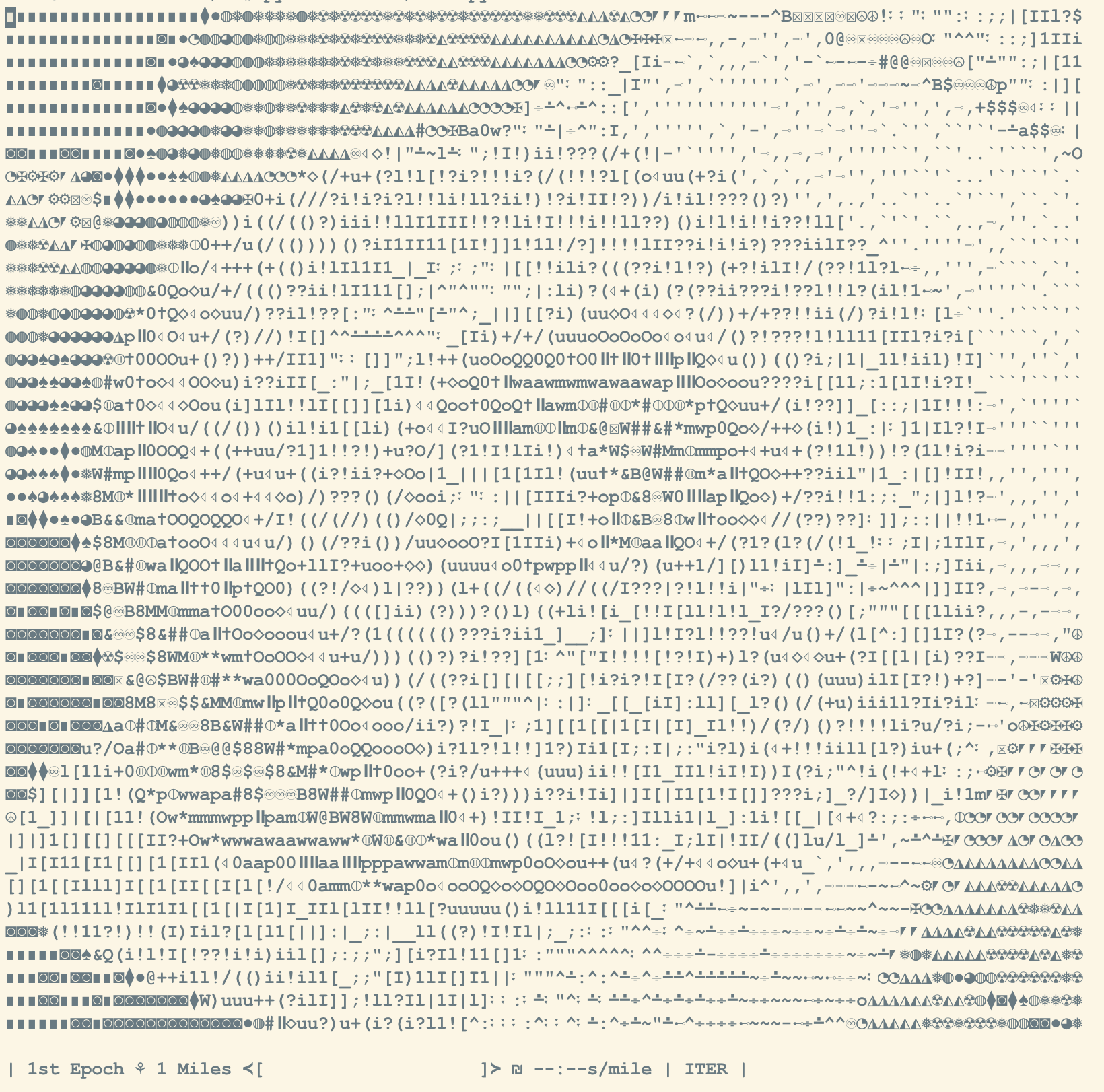
What's more, you can even draw the gray image on the terminal.
tcd = tc.Dash(format={'I': [lambda *x:1, tc.IMAGE]})
for i, img in enumerate(images):
    time.sleep(0.1)
    # read images here
    tcd({'I': img}, 0, i, len(images))
Try to squint at the right side. :D

📦 Installation
Install tcurve via pip
pip install tcurve
Install the following libs to access full functions.
- numpy
- pandas
- matplotlib
- seaborn
❤️ Support
If you find TCurve helpful, please give it a ⭐ on GitHub! ▶️ https://github.com/SeriaQ/TCurve
Release history Release notifications | RSS feed


Download files
Download the file for your platform. If you're not sure which to choose, learn more about installing packages.
Source Distribution
Built Distribution
Filter files by name, interpreter, ABI, and platform.
If you're not sure about the file name format, learn more about wheel file names.
Copy a direct link to the current filters
File details
Details for the file tcurve-0.1.3.tar.gz.
File metadata
- Download URL: tcurve-0.1.3.tar.gz
- Upload date:
- Size: 15.1 kB
- Tags: Source
- Uploaded using Trusted Publishing? No
- Uploaded via: twine/6.1.0 CPython/3.10.12
File hashes
| Algorithm | Hash digest | |
|---|---|---|
| SHA256 |
c9ae80e2875826b8349bac3726c82aeb1a02d28da47233457a007d77dd765f28
|
|
| MD5 |
0bcfe2b30477863e12ebec270a53104f
|
|
| BLAKE2b-256 |
b365f049edb6584aa4f4bb674425eeeb74dc6ae333c8ec211b0b6bf23b9da1d6
|
File details
Details for the file tcurve-0.1.3-py3-none-any.whl.
File metadata
- Download URL: tcurve-0.1.3-py3-none-any.whl
- Upload date:
- Size: 13.9 kB
- Tags: Python 3
- Uploaded using Trusted Publishing? No
- Uploaded via: twine/6.1.0 CPython/3.10.12
File hashes
| Algorithm | Hash digest | |
|---|---|---|
| SHA256 |
9f825b614e18f875cd9e754a5748083d4bc55ecdbb94a6d8777d0a725eb6491c
|
|
| MD5 |
80d30c30b4009291592d61115e2ddf02
|
|
| BLAKE2b-256 |
cd31451b1e22cb6255066e01a95af0ff678403278a17948bca640aead6a6267b
|






