
An agentic orchestration framework for building agent networks that handle task automation.

Project description
Overview





A Python framework for agentic orchestration that handles complex task automation without human interaction.
Visit:
Table of Content
- Key Features
- Quick Start
- Technologies Used
- Project Structure
- Setting Up
- Contributing
- Trouble Shooting
- Frequently Asked Questions (FAQ)
Key Features
versionhq is a Python framework for agent networks that handle complex task automation without human interaction.
Agents are model-agnostic, and will improve task output, while oprimizing token cost and job latency, by sharing their memory, knowledge base, and RAG tools with other agents in the network.
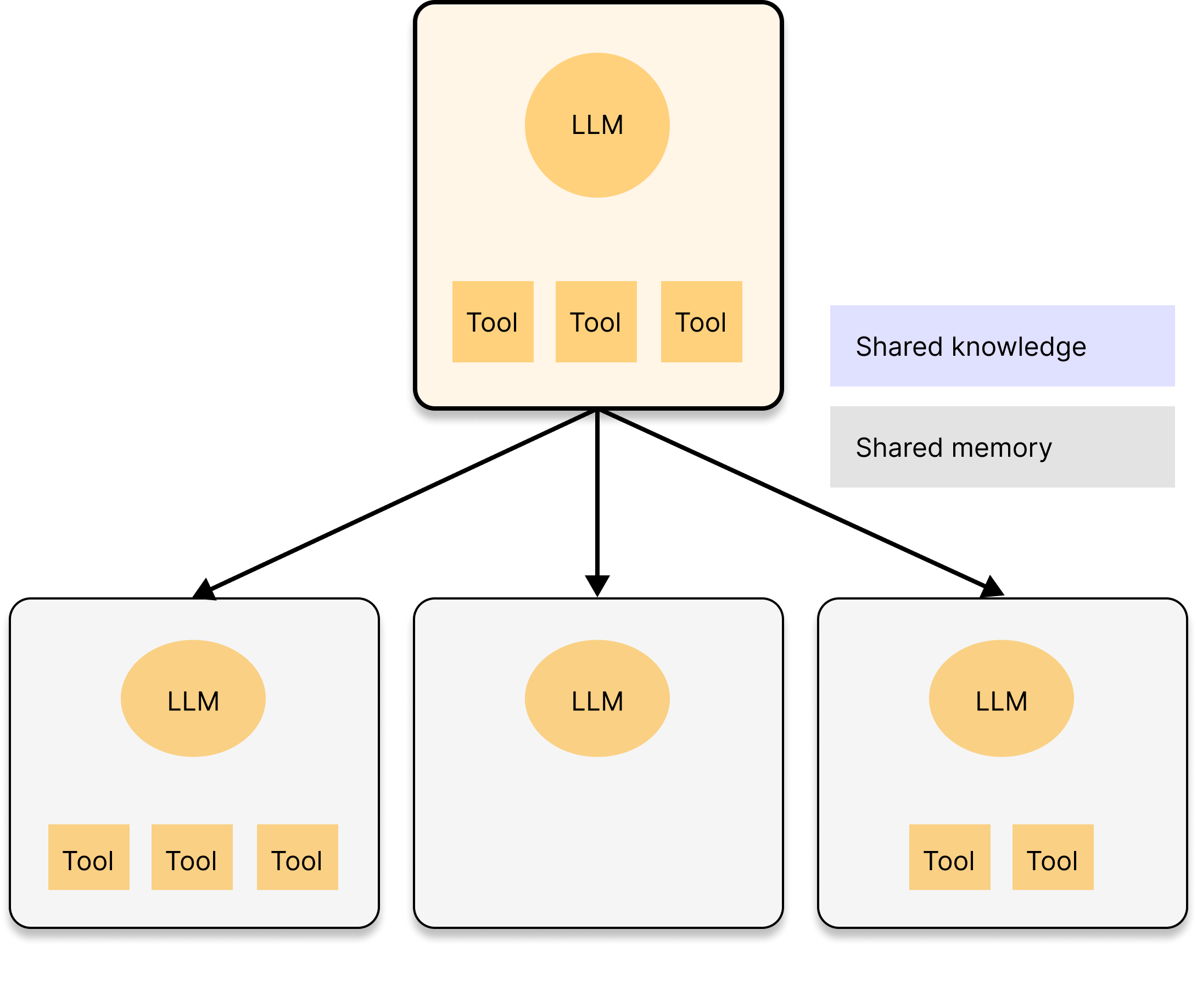
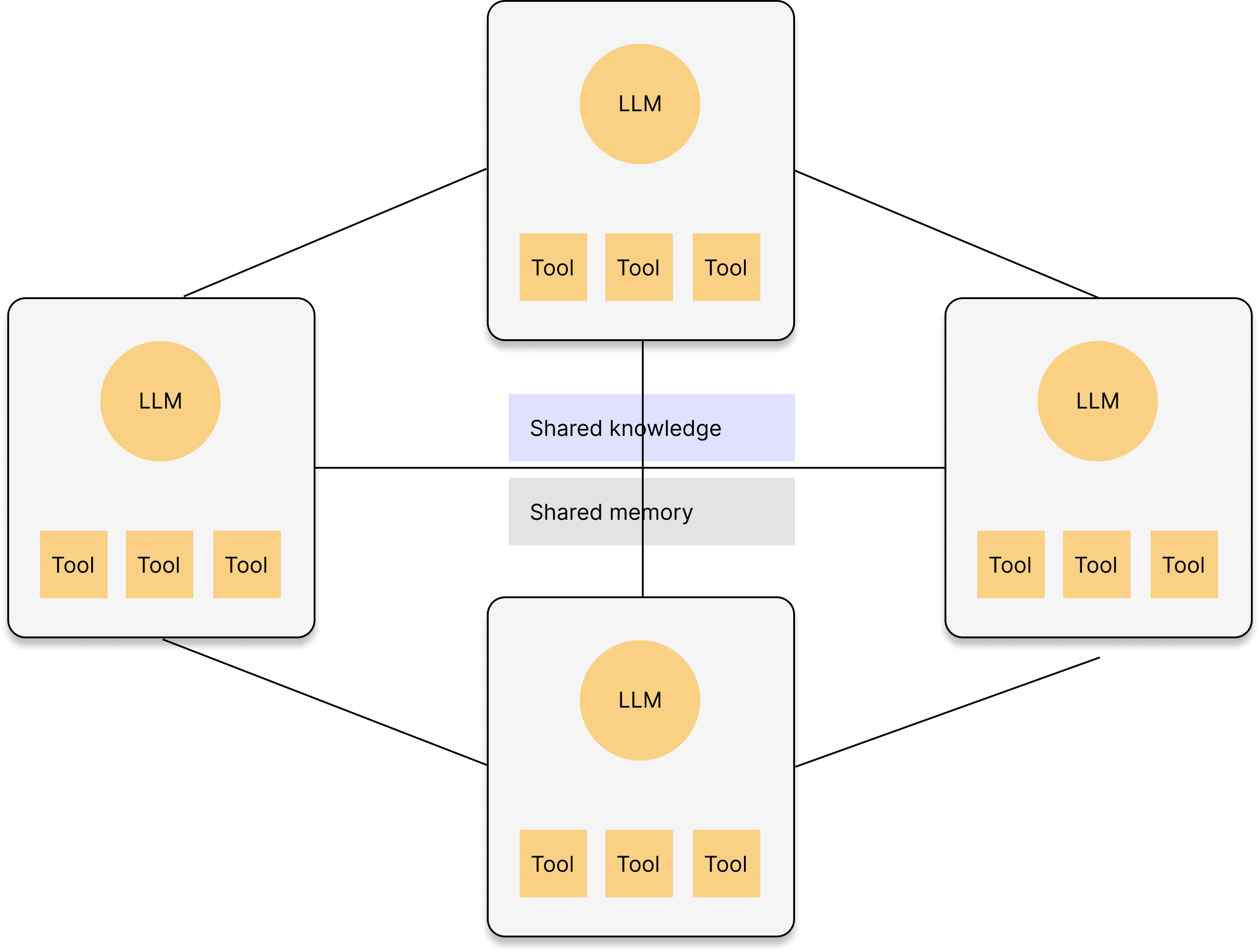
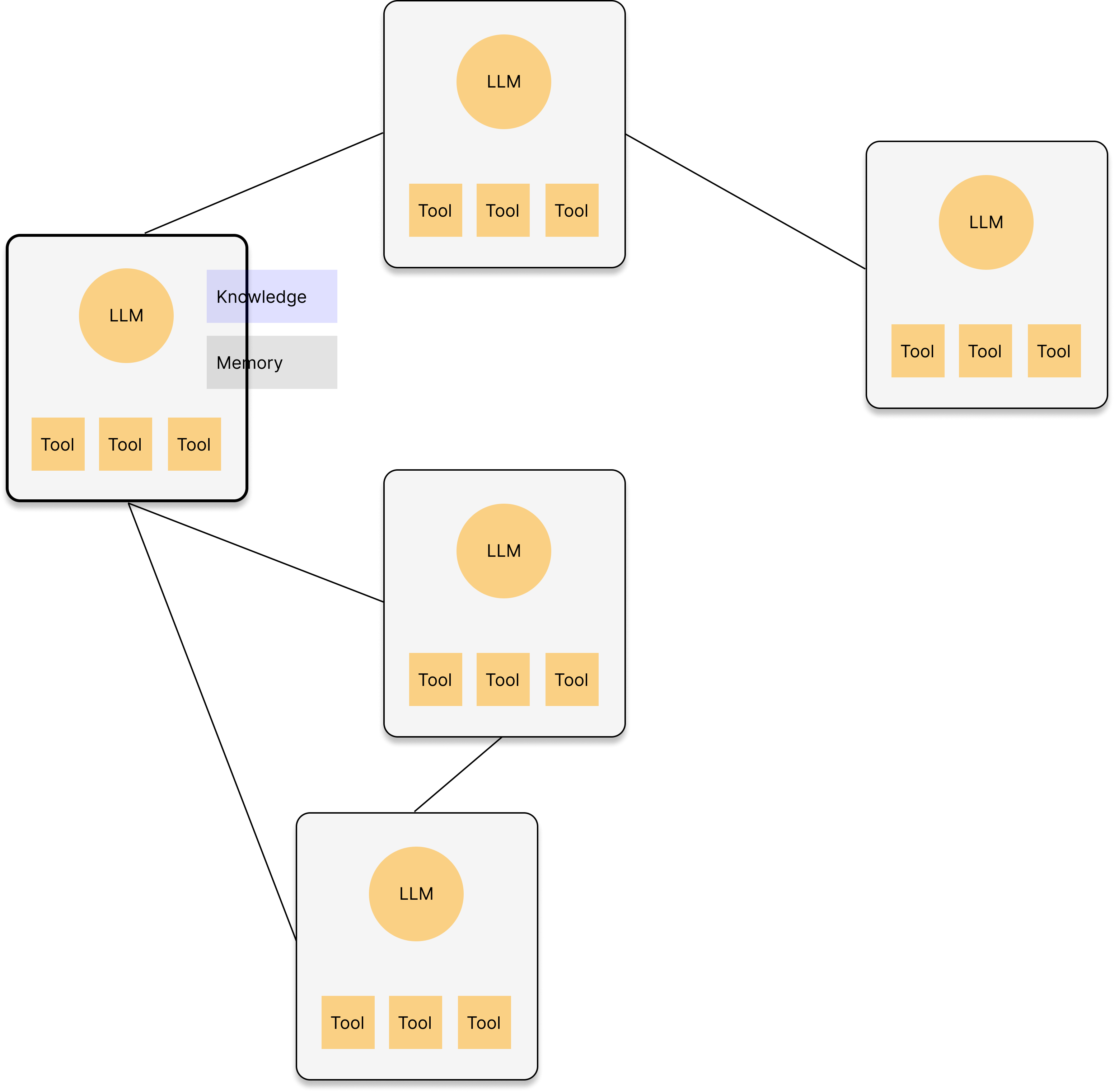
Agent formation
Agents adapt their formation based on task complexity.
You can specify a desired formation or allow the agents to determine it autonomously (default).
| Solo Agent | Supervising | Network | Random | |
|---|---|---|---|---|
| Formation | 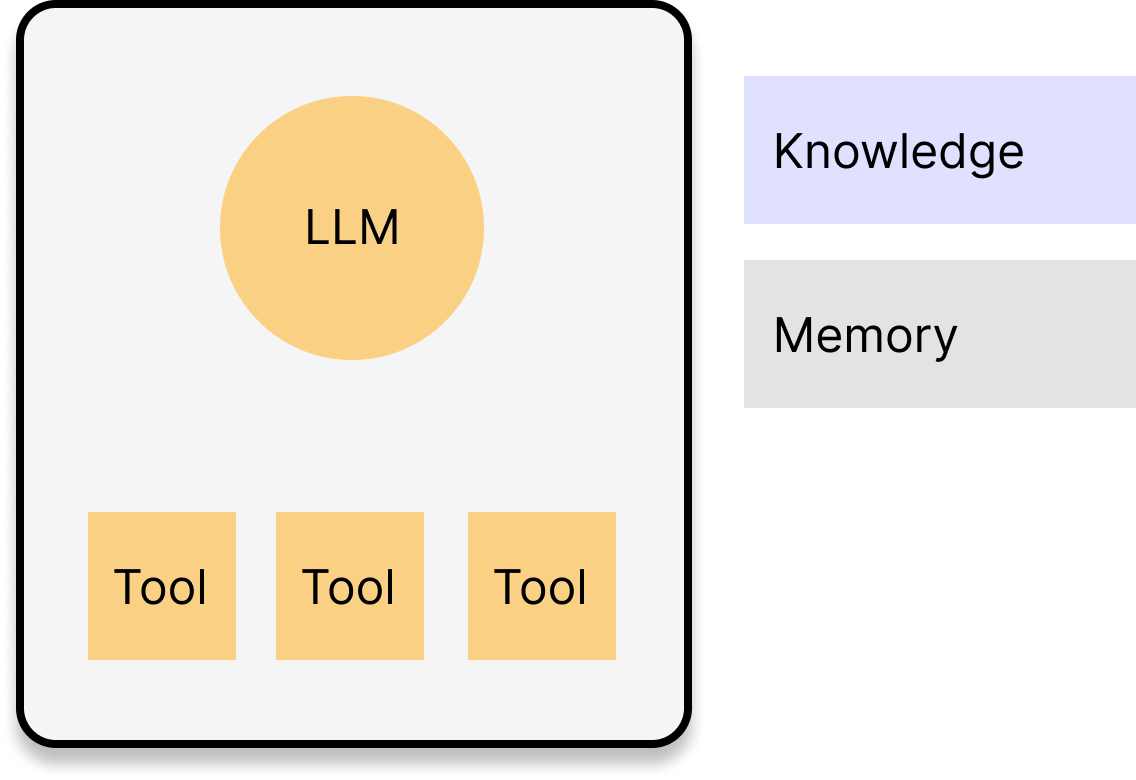 |
 |
 |
 |
| Usage |
|
|
|
|
| Use case | An email agent drafts promo message for the given audience. | The leader agent strategizes an outbound campaign plan and assigns components such as media mix or message creation to subordinate agents. | An email agent and social media agent share the product knowledge and deploy multi-channel outbound campaign. | 1. An email agent drafts promo message for the given audience, asking insights on tones from other email agents which oversee other clusters. 2. An agent calls the external agent to deploy the campaign. |
Quick Start
Package installation
pip install versionhq
(Python 3.11 / 3.12)
Forming a agent network
import versionhq as vhq

network = vhq.form_agent_network(
   task="YOUR AMAZING TASK OVERVIEW",
   expected_outcome="YOUR OUTCOME EXPECTATION",
)
res = network.launch()
This will form a network with multiple agents on Formation and return TaskOutput object with output in JSON, plane text, Pydantic model format with evaluation.
Customizing AI agents
You can simply build an agent using Agent model.
By default, the agent prioritize JSON serializable outputs over plane texts.
import versionhq as vhq
from pydantic import BaseModel

class CustomOutput(BaseModel):
   test1: str
   test2: list[str]

def dummy_func(message: str, test1: str, test2: list[str]) -> str:
   return f"""{message}: {test1}, {", ".join(test2)}"""


agent = vhq.Agent(role="demo", goal="amazing project goal")

task = vhq.Task(
   description="Amazing task",
   pydantic_output=CustomOutput,
   callback=dummy_func,
   callback_kwargs=dict(message="Hi! Here is the result: ")
)

res = task.execute_sync(agent=agent, context="amazing context to consider.")
print(res)
This will return a TaskOutput object that stores response in plane text, JSON, and Pydantic model: CustomOutput formats with a callback result, tool output (if given), and evaluation results (if given).
res == TaskOutput(
   task_id=UUID('<TASK UUID>'),
   raw='{\"test1\":\"random str\", \"test2\":[\"str item 1\", \"str item 2\", \"str item 3\"]}',
   json_dict={'test1': 'random str', 'test2': ['str item 1', 'str item 2', 'str item 3']},
   pydantic=<class '__main__.CustomOutput'>,
   tool_output=None,
   callback_output='Hi! Here is the result: random str, str item 1, str item 2, str item 3', # returned a plain text summary
   evaluation=None
)
Supervising
import versionhq as vhq

agent_a = vhq.Agent(role="agent a", goal="My amazing goals", llm="llm-of-your-choice")
agent_b = vhq.Agent(role="agent b", goal="My amazing goals", llm="llm-of-your-choice")

task_1 = vhq.Task(
   description="Analyze the client's business model.",
   response_fields=[vhq.ResponseField(title="test1", data_type=str, required=True),],
   allow_delegation=True
)

 task_2 = vhq.Task(
   description="Define the cohort.",
   response_fields=[ResponseField(title="test1", data_type=int, required=True),],
   allow_delegation=False
)

team = vhq.Team(
   members=[
      vhq.Member(agent=agent_a, is_manager=False, task=task_1),
      vhq.Member(agent=agent_b, is_manager=True, task=task_2),
   ],
)
res = team.launch()
This will return a list with dictionaries with keys defined in the ResponseField of each task.
Tasks can be delegated to a team manager, peers in the team, or completely new agent.
Technologies Used
Schema, Data Validation
- Pydantic: Data validation and serialization library for Python.
- Upstage: Document processer for ML tasks. (Use
Document Parser APIto extract data from documents) - Docling: Document parsing
Storage
- mem0ai: Agents' memory storage and management.
- Chroma DB: Vector database for storing and querying usage data.
- SQLite: C-language library to implements a small SQL database engine.
LLM-curation
- LiteLLM: Curation platform to access LLMs
Tools
- Composio: Conect RAG agents with external tools, Apps, and APIs to perform actions and receive triggers. We use tools and RAG tools from Composio toolset.
Deployment
- Python: Primary programming language. v3.12.x is recommended
- uv: Python package installer and resolver
- pre-commit: Manage and maintain pre-commit hooks
- setuptools: Build python modules
Project Structure
.
.github
└── workflows/                # Github actions
│
docs/                         # Documentation built by MkDocs
│
src/
└── versionhq/                # Orchestration framework package
│     ├── agent/              # Core components
│     └── llm/
│     └── task/
│     └── tool/
│     └── ...
│
└──tests/                     # Pytest - by core component and use cases in the docs
│     └── agent/
│     └── llm/
│     └── ...
│
└── uploads/                  # Local directory that stores uloaded files
Setting Up
-
Install
uvpackage manager:For MacOS:
brew install uvFor Ubuntu/Debian:
sudo apt-get install uv -
Install dependencies:
uv venv
source .venv/bin/activate
uv lock --upgrade
uv sync --all-extras
- In case of AssertionError/module mismatch, run Python version control using
.pyenvpyenv install 3.12.8 pyenv global 3.12.8 (optional: `pyenv global system` to get back to the system default ver.) uv python pin 3.12.8 echo 3.12.8 >> .python-version
-
Add secrets to
.envfile in the project root:LITELLM_API_KEY=your-litellm-api-key OPENAI_API_KEY=your-openai-api-key COMPOSIO_API_KEY=your-composio-api-key COMPOSIO_CLI_KEY=your-composio-cli-key [LLM_INTERFACE_PROVIDER_OF_YOUR_CHOICE]_API_KEY=your-api-key
Contributing
-
Create your feature branch (
git checkout -b feature/your-amazing-feature) -
Create amazing features
-
Add a test funcition to the
testsdirectory and run pytest.- Add secret values defined in
.github/workflows/run_test.ymlto your Githubrepository secretslocated at settings > secrets & variables > Actions. - Run a following command:
uv run pytest tests -vv --cache-clear
Building a new pytest function
-
Files added to the
testsdirectory must end in_test.py. -
Test functions within the files must begin with
test_.
- Add secret values defined in
-
Update
docsaccordingly. -
Pull the latest version of source code from the main branch (
git pull origin main) *Address conflicts if any. -
Commit your changes (
git add ./git commit -m 'Add your-amazing-feature') -
Push to the branch (
git push origin feature/your-amazing-feature) -
Open a pull request
Optional
-
Flag with
#! REFINEMEfor any improvements needed and#! FIXMEfor any errors. -
Playgroundis available athttps://versi0n.io.
Package Management with uv
- Add a package:
uv add <package> - Remove a package:
uv remove <package> - Run a command in the virtual environment:
uv run <command>
- After updating dependencies, update
requirements.txtaccordingly or runuv pip freeze > requirements.txt
Pre-Commit Hooks
-
Install pre-commit hooks:
uv run pre-commit install -
Run pre-commit checks manually:
uv run pre-commit run --all-files
Pre-commit hooks help maintain code quality by running checks for formatting, linting, and other issues before each commit.
- To skip pre-commit hooks (NOT RECOMMENDED)
git commit --no-verify -m "your-commit-message"
Documentation
-
To edit the documentation, see
docsrepository and edit the respective component. -
We use
mkdocsto update the docs. You can run the doc locally at http://127.0.0.1:8000/:uv run python3 -m mkdocs serve --clean -
To add a new page, update
mkdocs.ymlin the root. Refer to MkDocs documentation for more details.
Trouble Shooting
Common issues and solutions:
-
API key errors: Ensure all API keys in the
.envfile are correct and up to date. Make sure to addload_dotenv()on the top of the python file to apply the latest environment values. -
Database connection issues: Check if the Chroma DB is properly initialized and accessible.
-
Memory errors: If processing large contracts, you may need to increase the available memory for the Python process.
-
Issues related to the Python version: Docling/Pytorch is not ready for Python 3.13 as of Jan 2025. Use Python 3.12.x as default by running
uv venv --python 3.12.8anduv python pin 3.12.8. -
Issues related to dependencies:
rm -rf uv.lock,uv cache clean,uv venv, and runuv pip install -r requirements.txt -v. -
Issues related to the AI agents or RAG system: Check the
output.logfile for detailed error messages and stack traces. -
Issues related to
Python quit unexpectedly: Check this stackoverflow article. -
reportMissingImportserror from pyright after installing the package: This might occur when installing new libraries while VSCode is running. Open the command pallete (ctrl + shift + p) and run the Python: Restart language server task.
Frequently Asked Questions (FAQ)
Q. Where can I see if the agent is working?
A. Visit playground.
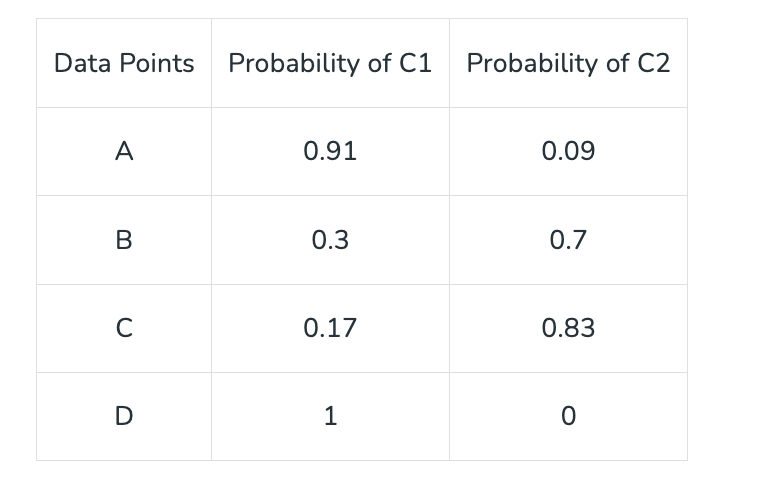
Q. How do you analyze the customer?
A. We employ soft clustering for each customer.
Release history Release notifications | RSS feed


Download files
Download the file for your platform. If you're not sure which to choose, learn more about installing packages.
Source Distribution
Built Distribution
Filter files by name, interpreter, ABI, and platform.
If you're not sure about the file name format, learn more about wheel file names.
Copy a direct link to the current filters
File details
Details for the file versionhq-1.1.13.0.tar.gz.
File metadata
- Download URL: versionhq-1.1.13.0.tar.gz
- Upload date:
- Size: 452.7 kB
- Tags: Source
- Uploaded using Trusted Publishing? No
- Uploaded via: twine/6.1.0 CPython/3.12.8
File hashes
| Algorithm | Hash digest | |
|---|---|---|
| SHA256 |
59f0110ff85a306bfb020bb038d3129d217b03a93259a389c9338d2164574489
|
|
| MD5 |
cd328edd18e7fc363d476864e2094a33
|
|
| BLAKE2b-256 |
e748951c1daa09956a965e04944d72d1e54484bab744843669767fd7d1c4ba65
|
File details
Details for the file versionhq-1.1.13.0-py3-none-any.whl.
File metadata
- Download URL: versionhq-1.1.13.0-py3-none-any.whl
- Upload date:
- Size: 85.5 kB
- Tags: Python 3
- Uploaded using Trusted Publishing? No
- Uploaded via: twine/6.1.0 CPython/3.12.8
File hashes
| Algorithm | Hash digest | |
|---|---|---|
| SHA256 |
f4c7e877349f8a5dc128ec62740c850f42f5de6faa11d1a992954a3a968e901e
|
|
| MD5 |
37b01ac025a802ebb3265da8a72fded0
|
|
| BLAKE2b-256 |
a6e2d20afd94cf8d147dc0071d93c0a133f725408d0566b9721a71cf661fe48c
|






